
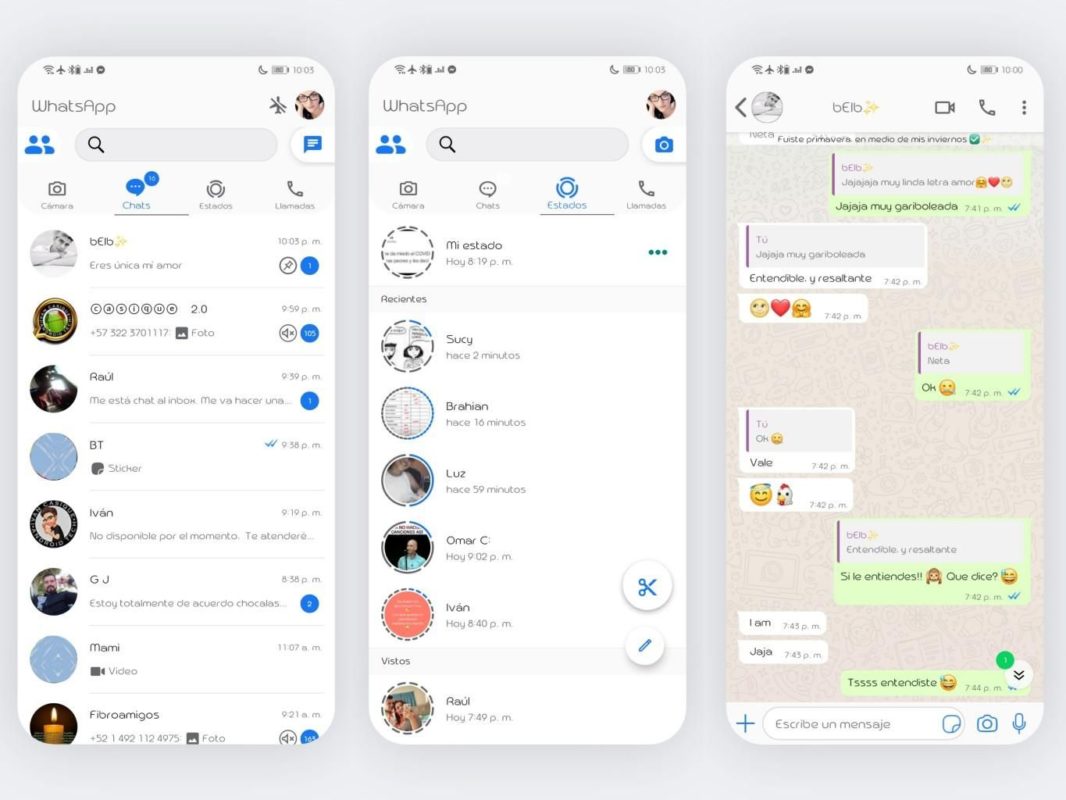
Bombay High Court: Divorce Cannot Be Granted Solely on WhatsApp Chats
Court Sets Aside Nashik Family Court’s Order
Spouse Must Be Given Opportunity to Rebut Allegations
By Our Legal Correspondent
Mumbai, March 2026:
In a significant ruling, the Bombay High Court has held that divorce on the ground of cruelty cannot be granted merely on the basis of WhatsApp chats. A Division Bench of Justices Bharati Dangre and Manjusha Deshpande set aside a Nashik family court’s order that had granted divorce to a man from his wife, ruling that the decision was passed without giving the woman an opportunity to rebut the allegations.
Also Read: Supreme Court Clarifies Guarantor Liability Under Section 133 of Contract Act
The High Court emphasized that electronic messages alone cannot constitute cruelty unless substantiated with evidence and tested through proper trial. The matter has now been remanded back to the family court for fresh consideration.
[Recommended Research Resources]
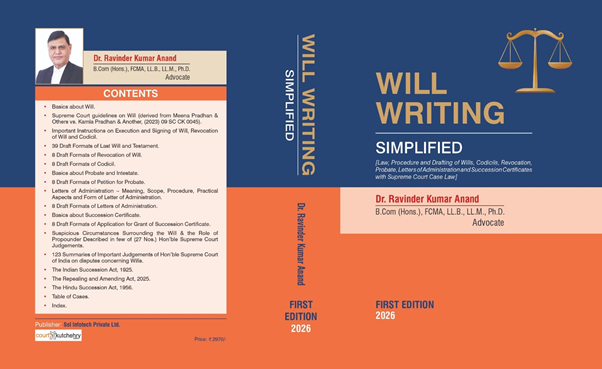
📘 Legal professionals and students alike will benefit from Will Writing Simplified, which covers procedure and case law in detail. AVAILABLE ON: Amazon 🔹 Flipkart
Background of the Case
Also Read: Forming a US LLC from India: The Hidden Tax and Compliance Costs
- The husband had filed for divorce alleging cruelty, relying primarily on WhatsApp chats.
- The Nashik family court granted divorce ex parte, without hearing the wife’s side.
- The wife challenged the order before the Bombay High Court, arguing that she was denied an opportunity to contest the allegations.
- The High Court agreed, ruling that natural justice requires both parties to be heard before granting divorce.
Court’s Observations
- WhatsApp Chats Not Enough: Divorce cannot be granted solely based on electronic messages.
- Opportunity to Rebut: The spouse must be given a chance to contest allegations of cruelty.
- Fresh Trial Ordered: The case was remanded to the family court for proper adjudication.
- Principle of Natural Justice: Courts must ensure fairness and avoid ex parte decisions in matrimonial disputes.
Legal Framework
Hindu Marriage Act, 1955
- Section 13(1)(ia): Provides for divorce on the ground of cruelty.
- Cruelty must be proved through evidence, not mere allegations or untested electronic messages.
Indian Evidence Act, 1872
- Electronic records are admissible but must be corroborated and tested.
- Courts require proper proof and cross‑examination before relying on digital evidence.
Also Read: CESTAT Remands Service Tax Refund Claim Over CA Certificate
Judicial Principles
- Divorce is a serious matter affecting personal rights; courts must exercise caution.
- Ex parte orders without hearing both parties violate principles of natural justice.
Larger Implications
- For Matrimonial Cases: Reinforces that electronic messages alone cannot establish cruelty.
- For Judiciary: Strengthens the principle of fair trial and natural justice.
- For Couples: Highlights the importance of substantiated evidence in divorce proceedings.
- For Society: Raises awareness about the limits of digital communication as legal proof.
Conclusion
The Bombay High Court’s ruling underscores the importance of fairness and evidence in matrimonial disputes. By setting aside the Nashik family court’s order, the court has clarified that WhatsApp chats alone cannot justify divorce on grounds of cruelty. This judgment is expected to guide future cases where digital communication is presented as evidence in sensitive family matters.
Also Read: ITAT Orders Reassessment of STCG on Property Sale
Keywords for Faster Search
- Bombay High Court divorce WhatsApp chat case
- Divorce cruelty WhatsApp evidence India
- Nashik family court divorce set aside
- Hindu Marriage Act Section 13 cruelty ruling
- Electronic evidence divorce cases India
- WhatsApp chats matrimonial disputes Bombay HC
- Natural justice divorce proceedings India
Also Read: Chhattisgarh High Court: GST Demand on Plot Allotment Cannot Be Challenged in Writ