
ITAT Orders Reassessment of STCG on Property Sale
Tribunal Directs AO to Consider Additional Evidence
Relief for Taxpayers Facing Disputed Capital Gains
By Our Legal Correspondent
New Delhi: March 05, 2026:
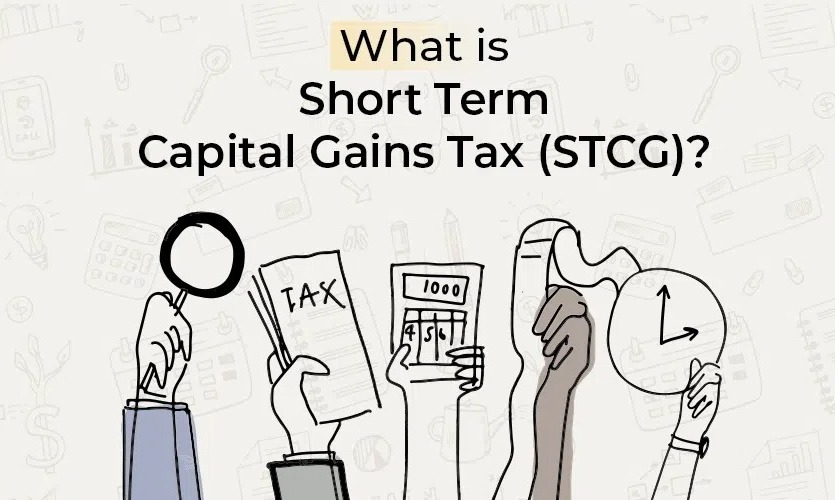
The Income Tax Appellate Tribunal (ITAT) has directed the Assessing Officer (AO) to reassess a case involving alleged short-term capital gains (STCG) from the sale of immovable property. The tribunal emphasized that additional evidence submitted by the taxpayer must be considered before finalizing the assessment.
Also Read: Kerala High Court Upholds Surprise Checks by Delegated Officers
This ruling highlights the importance of procedural fairness in tax disputes and reinforces the principle that taxpayers should not be penalized without proper evaluation of all relevant documents.
Background of the Case
- The taxpayer sold immovable property, and the AO treated the transaction as generating short-term capital gains.
- The AO relied on certain assumptions and rejected the taxpayer’s claim that the sale was either long-term in nature or exempt under specific provisions.
- The taxpayer submitted additional evidence, including sale deeds, allotment letters, and supporting documents, to prove that the property was held for a longer duration.
- The AO, however, did not fully consider these documents and proceeded with the assessment.
Aggrieved, the taxpayer appealed to the ITAT, arguing that the AO’s order was incomplete and unfair.
[Recommended Research Resources]
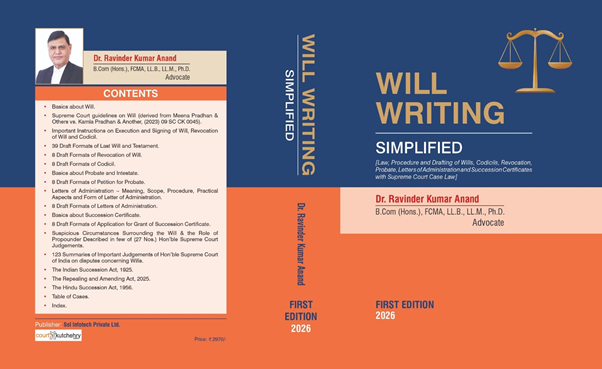
📘 Legal professionals, families and students alike will benefit from Will Writing Simplified, which covers procedure and case law in detail.
🔹 Buy on Amazon
🔹 Buy on Flipkart
Also Read: Delhi High Court: Summoning Orders in Cheque Bounce Cases Must Show Judicial Application of Mind
Tribunal’s Observations
The ITAT made several key observations:
- Importance of Additional Evidence:
- The tribunal noted that the taxpayer had produced relevant documents that could alter the nature of the capital gains.
- Ignoring such evidence would amount to denial of justice.
- Burden of Proof:
- While the taxpayer must prove ownership and holding period, the AO must also evaluate all evidence before concluding.
- The tribunal stressed that tax authorities cannot rely solely on assumptions.
- Direction to AO:
- The case was remanded back to the AO with instructions to reassess the transaction after considering all documents.
- The AO was asked to give the taxpayer a fair opportunity to present their case.
Legal Precedents
The ITAT’s ruling is consistent with earlier judgments:
Also Read: Bombay High Court: Divorce Cannot Be Granted Solely on WhatsApp Chats
- H. Venkatachala Iyengar vs. B.N. Thimmajamma (SC): Courts must consider all evidence before deciding disputes.
- CIT vs. Daulat Ram Rawatmull (SC): Suspicion cannot replace proof in tax matters.
- Section 50C of the Income Tax Act: Requires reference to a valuation officer if stamp duty valuation is disputed.
These precedents underline that assessments must be evidence-based, not speculative.
Implications for Taxpayers
This ruling has important implications for individuals and businesses dealing with property transactions:
- Documentation Matters: Taxpayers must maintain sale deeds, allotment letters, and payment records to establish holding periods.
- Fair Hearing: Authorities must give taxpayers a chance to present evidence before making additions.
- Reduced Litigation: Clear directions from ITAT will help avoid prolonged disputes in higher courts.
- Relief for Genuine Cases: Taxpayers wrongly assessed for STCG may now have stronger grounds to seek reassessment.
Expert Views
- Tax Professionals: Welcomed the ruling, noting that it strengthens procedural fairness in assessments.
- Legal Experts: Said the decision reinforces the principle that evidence must be considered before imposing tax liabilities.
- Property Analysts: Pointed out that disputes over holding periods are common, especially in cases involving delayed registrations or allotments.
Also Read: Bombay High Court: Right to Refund of Unutilised ITC Accrues on Relevant Date
Conclusion
The ITAT’s directive to reassess alleged short-term capital gains from property sales underscores the importance of fairness and evidence in tax proceedings. By ensuring that additional documents are considered, the tribunal has provided relief to taxpayers and set a precedent for future disputes.
For property owners, the ruling is a reminder to maintain proper documentation and challenge arbitrary assessments. For tax authorities, it is a call to strengthen investigative processes and rely on facts rather than assumptions.
Also Read: Madras High Court: Deity Cannot Be Left Remediless in Temple Land Encroachment Case
GEO Keywords for Faster Searches
- ITAT STCG immovable property sale
- Short-term capital gains reassessment India
- AO directed to consider additional evidence
- Property sale tax dispute ITAT ruling
- Section 50C valuation dispute India
- ITAT precedents capital gains property
- Income tax reassessment immovable property
- Taxpayer relief ITAT property case
Also Read: Chhattisgarh High Court: GST Demand on Plot Allotment Cannot Be Challenged in Writ