
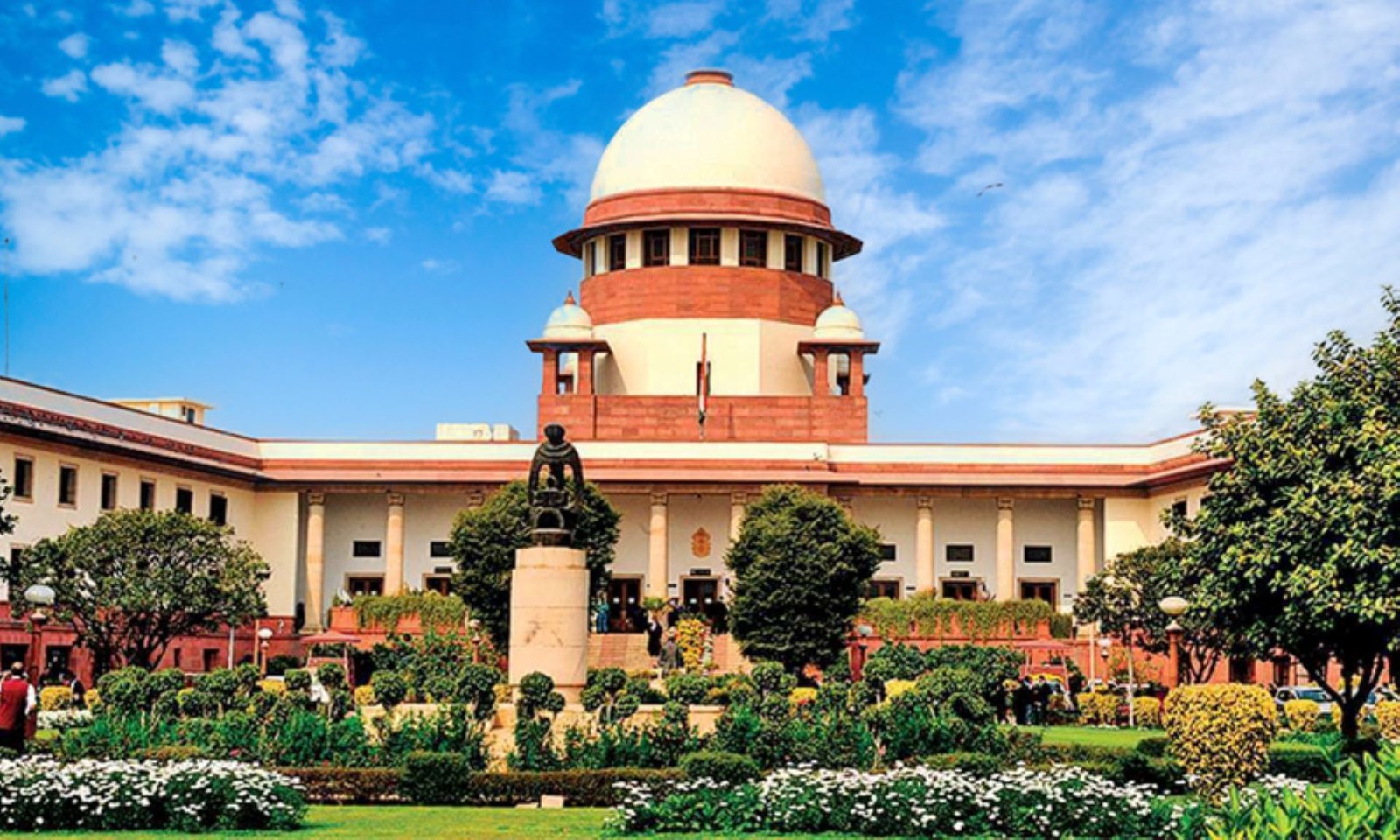
Supreme Court Clarifies Guarantor Liability Under Section 133 of Contract Act
Surety Not Liable for Borrower’s Withdrawals Beyond Sanctioned Limit
Liability Limited to Originally Guaranteed Amount
By Legal Reporter
New Delhi: March 05, 2026:
In a landmark judgment, the Supreme Court of India has clarified the scope of a guarantor’s liability under Section 133 of the Indian Contract Act, 1872. The Court held that a guarantor cannot be held liable for loan amounts withdrawn by a borrower beyond the sanctioned limit if such variance in the loan agreement was made without the guarantor’s consent.
Also Read: Kerala High Court Upholds Surprise Checks by Delegated Officers
The ruling, delivered by a bench of Justices B.V. Nagarathna and Ujjal Bhuyan, sets aside a Gujarat High Court judgment that had discharged the guarantor from all liability. Instead, the Supreme Court ruled that the guarantor remains liable for the originally sanctioned loan amount, but not for excess withdrawals permitted later.
The Legal Issue
The case revolved around the interpretation of Section 133 of the Indian Contract Act, which states:
“Any variance made without the surety’s consent, in the terms of the contract between the principal debtor and the creditor, discharges the surety as to transactions subsequent to the variance.”
- Borrower’s Overdrawal: The borrower was allowed to withdraw amounts beyond the sanctioned loan limit.
- Guarantor’s Objection: The guarantor argued that since the terms of the loan were varied without consent, they should be discharged from liability entirely.
- Supreme Court’s View: The Court clarified that discharge under Section 133 applies only to transactions after the variance. Thus, the guarantor remains liable for the original loan amount but not for excess withdrawals.
[Recommended Research Resources]
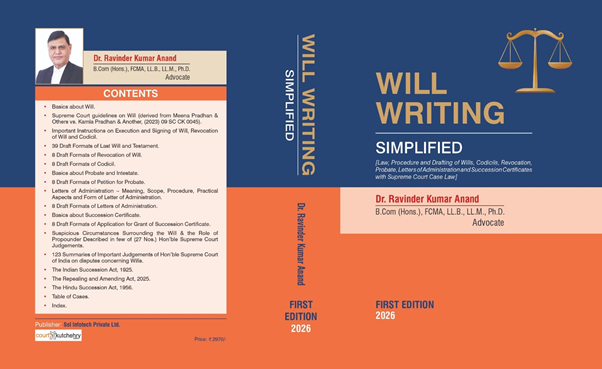
📘 Legal professionals and students alike will benefit from Will Writing Simplified, which covers procedure and case law in detail.
🔹 Buy on Amazon
🔹 Buy on Flipkart
Also Read: Delhi High Court: Summoning Orders in Cheque Bounce Cases Must Show Judicial Application of Mind
Court’s Observations
The Supreme Court made several important points:
- Partial Discharge, Not Total:
- The liability of a guarantor is not “all or nothing.”
- Variance without consent leads to discharge only for subsequent transactions, not the entire liability.
- Section 139 Not Attracted:
- Section 139 deals with impairment of the surety’s remedy.
- The Court held that permitting excess withdrawals does not impair the guarantor’s remedy for the original loan amount.
- Balance Between Creditor and Surety:
- Creditors must seek consent before varying loan terms.
- Guarantors cannot escape liability for the amount they originally guaranteed.
Implications of the Judgment
This ruling has significant implications for banks, borrowers, and guarantors:
Also Read: Bombay High Court: Divorce Cannot Be Granted Solely on WhatsApp Chats
- For Banks:
- Must obtain guarantor consent before allowing borrowers to exceed sanctioned limits.
- Failure to do so will discharge guarantors from liability for excess amounts.
- For Guarantors:
- Liability is limited to the amount originally guaranteed.
- They are protected from unforeseen increases in loan exposure.
- For Borrowers:
- Cannot rely on guarantors for amounts withdrawn beyond sanctioned limits.
- Must ensure compliance with loan terms to avoid disputes.
Legal Precedents Considered
The Court referred to earlier judgments to support its reasoning:
- H. Venkatachala Iyengar vs. B.N. Thimmajamma (1959, SC): Established principles of burden of proof in contracts.
- Jaswant Kaur vs. Amrit Kaur (1977, SC): Clarified that consent of guarantors is crucial in contract variations.
- Recent High Court Rulings: Some courts had discharged guarantors entirely, but the Supreme Court clarified that discharge is partial, not total.
Expert Views
- Legal Scholars: Applauded the judgment for balancing creditor rights with guarantor protections.
- Banking Experts: Said the ruling will encourage banks to tighten documentation and consent procedures.
- Consumer Advocates: Welcomed the clarity, noting that guarantors often face unfair liability due to borrower defaults.
Also Read: Bombay High Court: Right to Refund of Unutilised ITC Accrues on Relevant Date
Conclusion
The Supreme Court’s ruling on guarantor liability under Section 133 of the Indian Contract Act provides much-needed clarity. Guarantors are liable only for the originally sanctioned loan amount, and any variance without their consent discharges them from liability for subsequent transactions.
This decision strengthens contractual fairness, protects guarantors from unforeseen risks, and ensures banks act responsibly when modifying loan agreements.
GEO Keywords for Faster Searches
- Supreme Court guarantor liability India
- Section 133 Contract Act guarantor discharge
- Loan agreement variance guarantor liability
- Guarantor liability Supreme Court judgment 2026
- Indian Contract Act Section 133 case law
- Surety liability loan agreement India
- Supreme Court ruling guarantor consent loan
- Guarantor discharge partial liability India
Also Read: Madras High Court: Deity Cannot Be Left Remediless in Temple Land Encroachment Case