
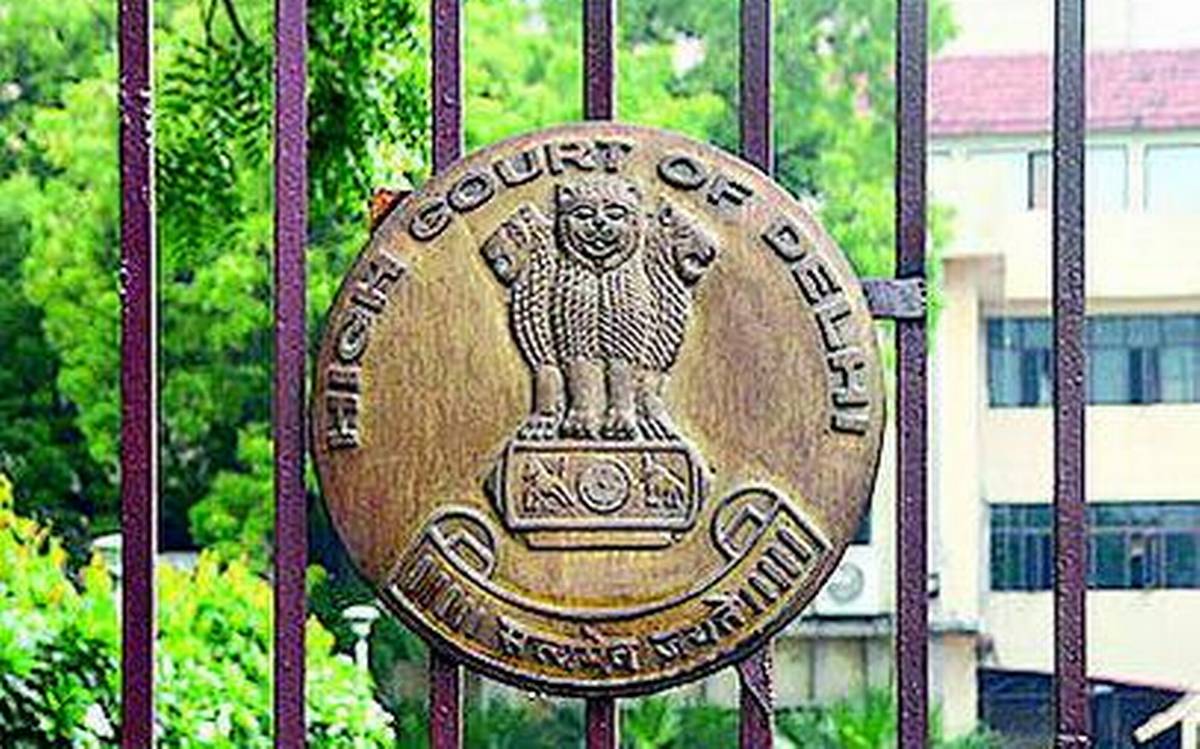
🚨 Delhi High Court Halts Army Retirement: Naib Subedar Challenges Firing Test Records
📌 Court Seeks Mobile Tower Data to Verify Soldier’s Presence
📌 Case Highlights Transparency Issues in Army Service Extensions
By Legal Reporter
New Delhi: March 09, 2026:
Also Read: Bombay High Court Expands Scope of Compensation Under Section 28-A
In a rare and significant intervention, the Delhi High Court has stopped the retirement of a Naib Subedar from the Indian Army. The soldier challenged the Army’s claim that he failed a mandatory firing test required for service extension. He argued that he was not even present at the unit in Naugam, Jammu & Kashmir, on the dates when the test was allegedly conducted. The court has now directed the authorities to produce mobile tower location data to establish the truth.
Also Read: Madras High Court Clarifies Copyright: Theatrical Rights Don’t Cover Satellite Telecast
Background of the Case
- Mandatory Firing Test: Army personnel seeking service extension must clear firing tests.
- Controversy: The Naib Subedar was shown as having failed the test.
- Soldier’s Claim: He denied being present at the unit during the test dates.
- Court’s Intervention: The Delhi High Court issued an interim order halting his retirement until the matter is clarified.
This case is unusual because it involves digital evidence (mobile tower data) to verify physical presence, something rarely seen in military disputes.
[Recommended Research Resources]
Also Read: Bombay High Court Judge Duped of ₹6 Lakh in Credit Card Reward Points Scam
🔹 If you want practical guidance on drafting wills, codicils, and probate procedures, Will Writing Simplified is an invaluable resource. BUY TODAY ON: Amazon | Flipkart
Key Legal Developments
- The Commanding Officer (CO) had recorded the soldier’s participation and failure in the firing test.
- The soldier contested this, saying he was elsewhere.
- The High Court ordered the Army to produce call detail records (CDRs) and mobile tower location data to confirm his whereabouts.
- The interim stay on retirement ensures the soldier continues in service until the matter is resolved.
Also Read: Gujarat High Court Slams ArcelorMittal’s “Peanuts” Compensation in Forest Clearance Delay
Why This Case Matters
- Fairness in Service Extensions: Raises questions about how firing tests are conducted and recorded.
- Use of Technology in Justice: Reliance on mobile tower data shows courts adapting to modern evidence.
- Impact on Army Discipline: Balances individual rights with institutional discipline.
- Precedent Setting: Could influence future disputes involving military personnel and service records.
Wider Implications
- For Soldiers: Ensures that procedural fairness is upheld in career-defining tests.
- For the Army: Highlights the need for transparent and verifiable record-keeping.
- For the Judiciary: Demonstrates proactive use of technology to resolve disputes.
Conclusion
The Delhi High Court’s intervention in the Naib Subedar’s case is more than just a personal reprieve—it is a landmark moment for accountability in the armed forces. By demanding mobile tower data, the court has signalled that digital evidence can play a decisive role in safeguarding justice. The outcome will not only determine the soldier’s career but may also reshape how the Army handles service extension tests in the future.
Also Read: Madras High Court: Solar Panels Not Valid Industrial Use of Allotted Land
Keywords for SEO & Faster Searches
- Delhi High Court Army case
- Naib Subedar retirement halt
- Army firing test dispute
- Mobile tower data evidence
- Indian Army service extension
- Army vs soldier legal battle
- Delhi HC military judgment
Also Read: Delhi-Goa Flight Scare: Passenger Booked for Smoking Beedi Mid-Air