
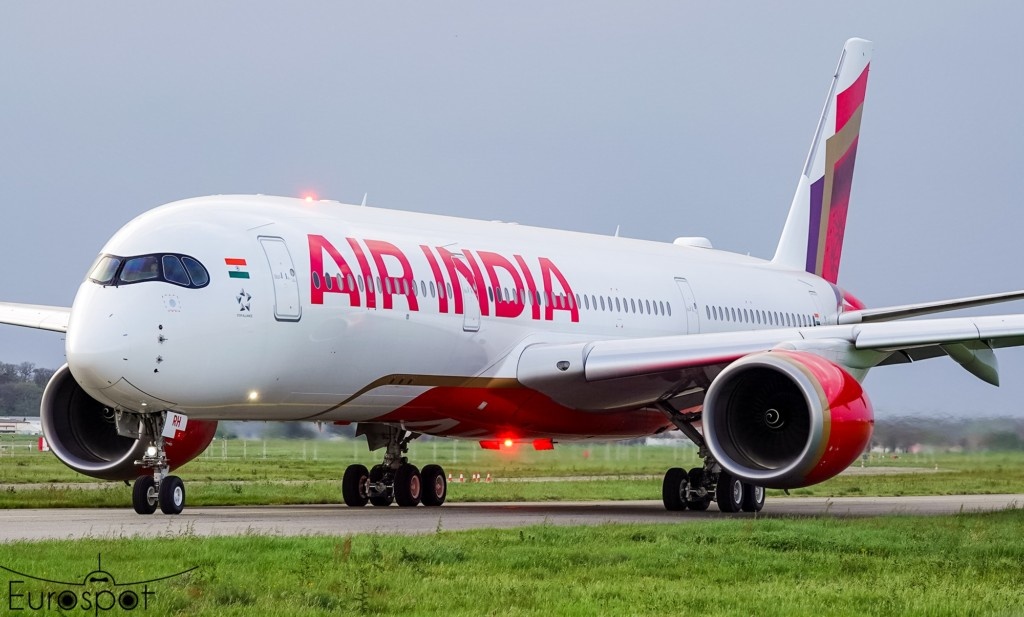
Delhi HC: Writs Against Air India Maintainable Post-Privatisation
Ownership Change Does Not Erase Pending Liabilities
Labour Court Awards Remain Open to Judicial Review
By Legal Reporter
New Delhi: May 09, 2026:
The Delhi High Court has clarified that writ petitions challenging Labour Court awards can still be filed against Air India even after its privatization. The Court emphasized that the change in ownership does not extinguish liabilities or pending disputes under labour laws, ensuring continuity of legal remedies for employees.
Readers researching probate proceedings, execution of wills, and evidentiary standards in testamentary disputes should refer to the Supreme Court judgment in Gopal Swaroop vs Krishna Murari Mangal. The Court examined the legal requirements for proving a valid will, the role of attesting witnesses, and the burden placed on the propounder to establish authenticity in inheritance and succession litigation.
Key Legal Principles Highlighted
1. Writ Jurisdiction under Article 226
- High Courts have the power to issue writs against State entities and authorities performing public functions.
- Even after privatization, Air India remains subject to writ jurisdiction for disputes arising from its pre‑privatisation status as a government company.
2. Labour Court Awards under the Industrial Disputes Act, 1947
- Labour Courts adjudicate disputes relating to termination, reinstatement, and service conditions.
- Awards can be challenged before High Courts via writ petitions.
- The Court clarified that privatisation does not nullify awards already passed.
3. Continuity of Liabilities Post‑Privatisation
- The Court held that privatisation does not absolve Air India of liabilities incurred before disinvestment.
- Pending disputes and awards remain enforceable against the company.
4. Public Law Dimension
- The Court emphasized that disputes involving statutory rights of workers retain a public law character, making them amenable to writ jurisdiction.
Case Context
- Employees challenged a Labour Court award against Air India.
- Air India argued that post‑privatisation, writ petitions were not maintainable.
- The Delhi HC rejected this contention, holding that legal obligations survive ownership change.
- The ruling ensures that employees retain access to judicial remedies despite corporate restructuring.
Detailed FAQ for Easy Understanding
Q1. Can employees still file writ petitions against Air India after privatization?
Yes. The Delhi HC confirmed that writ petitions remain maintainable for disputes arising before privatization.
Q2. Why does privatization not affect pending labour disputes?
Because liabilities and obligations incurred before disinvestment continue to bind the company.
Q3. What is the role of Labour Courts in such disputes?
Labour Courts adjudicate disputes under the Industrial Disputes Act. Their awards can be challenged in writ jurisdiction.
Q4. Does Air India’s change in ownership affect its status under Article 226?
While Air India may no longer be a “State” under Article 12, writs remain maintainable for disputes with a public law dimension, especially labour rights.
Q5. What happens to awards passed before privatization?
They remain valid and enforceable against Air India, regardless of ownership change.
Q6. Can new disputes after privatization also be challenged via writ petitions?
This depends on whether the dispute involves statutory rights or public law elements. Purely private disputes may not attract writ jurisdiction.
Q7. What precedent does this case set?
It ensures continuity of employee rights and remedies during corporate restructuring and privatization.
Risks and Takeaways
- For employees: Rights under labour laws remain intact despite privatization.
- For companies: Ownership change does not erase liabilities; due diligence must account for pending disputes.
- For courts: Reinforces the principle that writ jurisdiction protects statutory rights even in privatized entities.
Bottom Line: The Delhi High Court’s ruling underscores that privatization does not shield Air India from labour liabilities or judicial scrutiny. Employees retain the right to challenge Labour Court awards through writ petitions, ensuring continuity of justice and protection of statutory rights.