
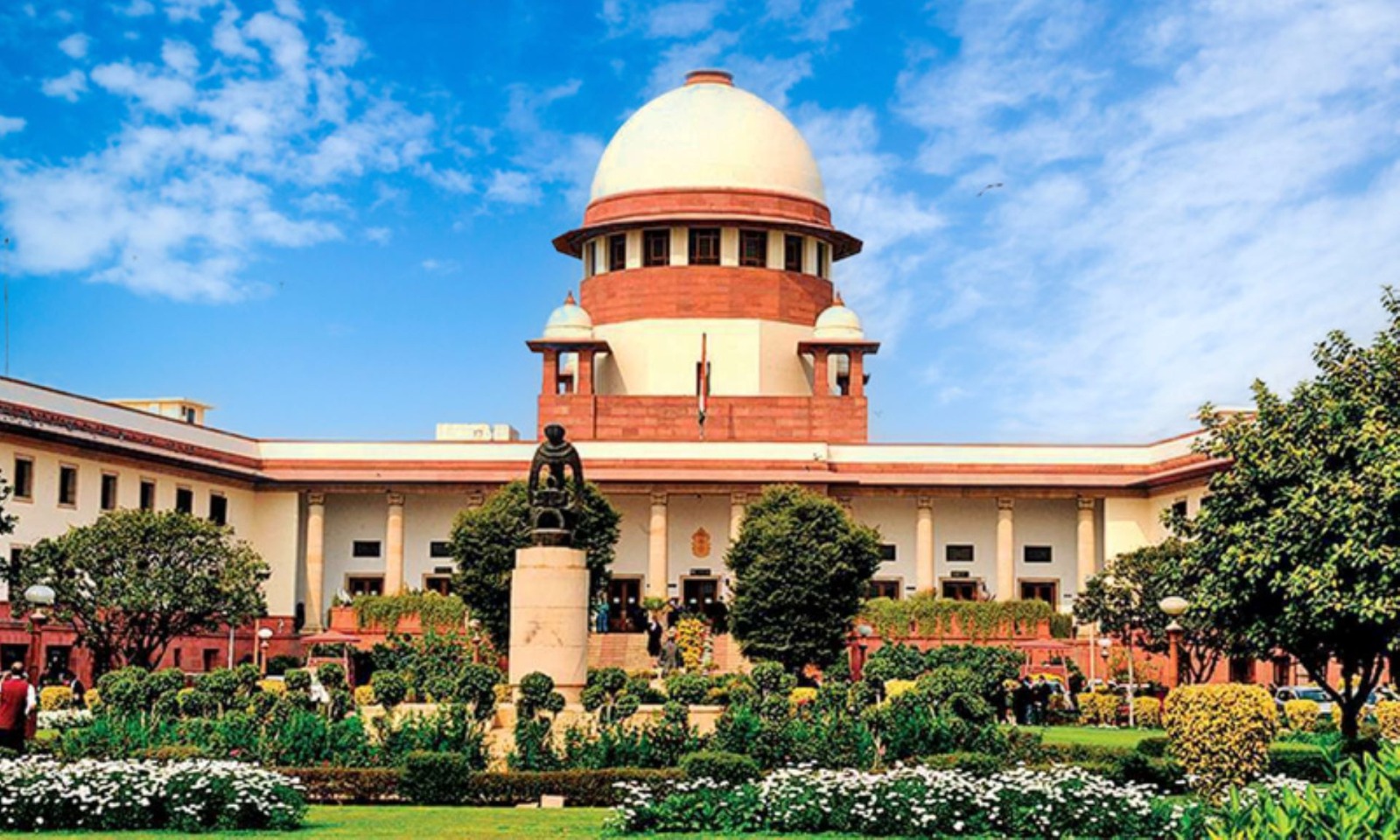
COURTKUTCHEHRY SPECIAL SERIES ON LANDMARKS JDUGEMENTS ON WILLS, CODICIL & PROBATE
Thangam & Another v. Navamani Ammal: Supreme Court Upholds Validity of Registered Will
Niece’s Bequest Found Genuine and Free of Suspicion
Appeal Dismissed; Defective Pleadings Weakened Widow’s Case
By Vishwas Kumar
New Delhi: March 19, 2026:
In Thangam & Another v. Navamani Ammal (Civil Appeal No. 8935 of 2011, decided on 4 March 2024), the Supreme Court of India delivered a decisive ruling on the validity of a registered Will. The Division Bench comprising Hon’ble Justice C.T. Ravikumar and Hon’ble Justice Rajesh Bindal upheld the Will executed by a husband in favour of his niece, rejecting challenges raised by his widow and minor daughter.
Also Read: Savitri Bai & Another v. Savitri Bai: Supreme Court Upholds Validity of Will Over Sale Deed
The dispute centered on whether the Will was genuine and free from suspicious circumstances. The widow and daughter argued that the document unfairly excluded them from part of the estate. However, the Court found that the Will had been validly executed, properly attested, and registered, thereby satisfying the requirements under succession law. Importantly, the Bench noted that the interests of legal heirs were not disregarded, as the Will reflected the testator’s clear intention.
The Supreme Court also highlighted that the defendants’ defective pleadings undermined their challenge. Without substantive evidence to cast doubt on the Will’s authenticity, the Court concluded that the document was genuine and enforceable. As a result, the appeal was dismissed, affirming the niece’s entitlement under the Will.
Also Read: Thangam & Another v. Navamani Ammal: Supreme Court Upholds Validity of Registered Will
This ruling reinforces the principle that registered Wills, when executed in compliance with statutory requirements and free of credible suspicion, carry strong evidentiary value. It also underscores the importance of precise pleadings in succession disputes, as vague or defective claims cannot override a valid testamentary instrument.
For More, Read Here the Summary of the Judgement from the Book: WILL WRITING SIMPLIFIED, read below or open page no 436, Chapter 14.1 in the book. (Online book purchase link available here on: Buy online: Amazon | Flipkart
| 14.17 | Case Summary | : | Thangam and Another v. Navamani Ammal |
| Court | : | Supreme Court of India | |
| Citations | : | (2024) 03 SC CK 0007: Civil Appeal No. 8935 of 2011 (arising from Second Appeal No. 1344 of 1996) | |
| Link | : | https://www.courtkutchehry.com/judgements/1194047/thangam-and-another-vs-navamani-ammal/ | |
| Decided on | : | 04 March 2024 | |
| Coram | : | Hon’ble Justice C.T. Ravikumar, Hon’ble Justice Rajesh Bindal (Division Bench) | |
| Relevant Paragraphs | : | Para No. 1–16 |
1. Facts of the Case:
Testator Palaniandi Udyar executed a registered Will dated 09.10.1984 bequeathing about 3.5 acres of land to Navamani Ammal, described as daughter of his brother. He left behind his third wife Thangam (appellant no. 1) and minor daughter Laila (appellant no. 2). The Trial Court upheld the Will’s genuineness; the First Appellate Court reversed; the High Court restored the Trial Court’s decree. The appeal before the Supreme Court challenged the High Court’s decision.
2. Law Points Involved:
(i). Proof and genuineness of a Will under the Indian Succession Act, 1925.
(ii). “Suspicious circumstances” surrounding execution of a Will.
(iii). Effect of pleadings — non-specific denial under Order VIII Rules 3 & 5 CPC.
(iv). Scope of interference by High Court in Second Appeal — existence of substantial question of law.
3. Acts / Provisions / Articles Referred:
(i). Code of Civil Procedure, 1908 — Order VIII Rule 3 and Rule 5.
(ii). Indian Succession Act, 1925 — Section 63 (implied).
(iii). Evidence Act, 1872 — Section 68 (implied).
4. Judgments Referred:
(i). Badat and Co. Bombay v. East India Trading Co., (1963) 05 SC CK 0031.
(ii). Lohia Properties (P) Ltd. v. Atmaram Kumar, (1993) 08 SC CK 0024.
5. Obiter Dicta:
The Court criticised the prevalent defective drafting of pleadings in trial and appellate courts. It emphasised that para-wise specific admission or denial is mandatory under Order VIII Rules 3 and 5 CPC, and general denials lead to confusion and delay in adjudication.
6. Ratio Decidendi:
(i). No “suspicious circumstance” existed regarding execution of the Will. The testator was in a sound state of mind and conscious of his wife and daughter’s interests, which were adequately safeguarded by leaving them substantial property.
(ii). A Will cannot be invalidated merely because the testator preferred another relative over natural heirs.
(iii). Lack of specific denial in written statement amounts to admission of plaint averments under Order VIII Rules 3 and 5 CPC.
7. Final Ruling:
The Supreme Court dismissed the appeal, affirming the High Court’s finding that the Will dated 09.10.1984 was genuine and not surrounded by suspicious circumstances.
8. Gist / Dispute & Final Decision:
The dispute concerned the validity of a registered Will executed by a husband in favour of his niece, excluding his widow and minor daughter from part of the estate. The Court held that the Will was validly executed, genuine, and free of suspicion; interests of legal heirs were protected; defective pleadings of the defendants undermined their case. Appeal dismissed.
Also Read: Lilian Coelho & Others v. Myra Philomena Coalho: Supreme Court Restores Scrutiny of Suspicious Wills
Read full Judgement Here:
Thangam and Another v. Navamani Ammal
Supreme Court of India
(2024) 03 SC CK 0007: Civil Appeal No.: 8935 of 2011 (arising from Second Appeal No. 1344 of 1996)
https://www.courtkutchehry.com/judgements/1194047/thangam-and-another-vs-navamani-ammal/
You Can Also Purchase the Book from here on: Buy online: Amazon | Flipkart
Also Read: Gopal Krishan & Others v. Daulat Ram & Others: Supreme Court Restores Validity of Will
Also Read: N.P. Saseendran v. N.P. Ponnamma & Ors.: Supreme Court Upholds Daughter’s Ownership Rights
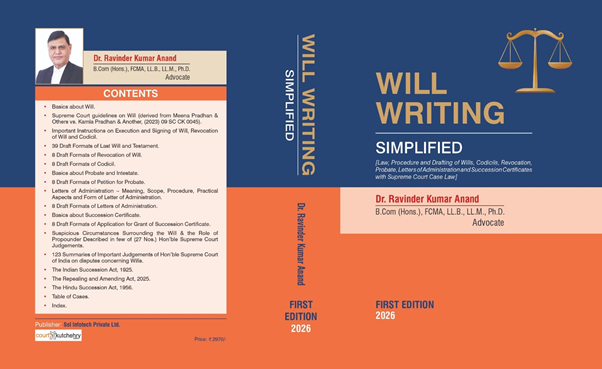
OUR RECOMMENDATION: Check out 123 Key Judgements, as highlighted in the book, WILL WRITING SIMPLIFIED, for the quick research and reference purposes. Click the link here: https://www.courtkutchehry.com/pages/blog/123-supreme-court-judgments-on-wills/
SEO-Friendly Keywords
- Thangam v. Navamani Ammal Supreme Court judgment
- Civil Appeal No. 8935 of 2011 Will dispute
- Supreme Court ruling on registered Will India
- Genuine and valid Will succession case law
- Widow and daughter inheritance rights Supreme Court