
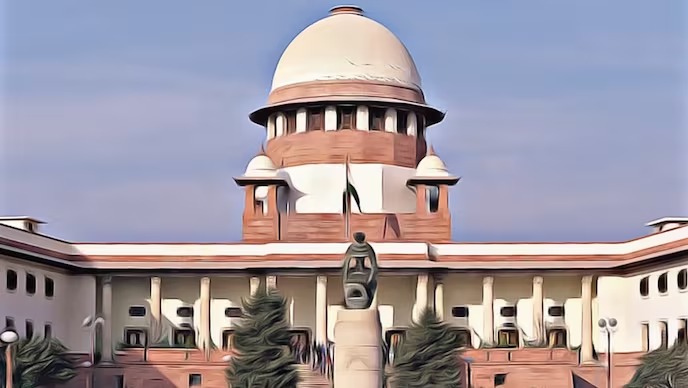
Supreme Court Empowers High Courts to Quash Frivolous Criminal Cases Beyond FIR
Judges Say Courts Must Consider Circumstances and Evidence
Relief Granted to Filmmaker Sujoy Ghosh in Copyright Case
By Legal Reporter
New Delhi: March 21, 2026:
In a significant ruling, the Supreme Court clarified that High Courts are not limited to examining only the FIR or complaint when deciding petitions to quash criminal proceedings. Instead, they can evaluate surrounding circumstances, evidence collected during investigation, and events before and after filing of the complaint. This judgment strengthens safeguards against misuse of criminal law.
You can also explore this detailed list of Indian Supreme Court judgments on wills.
[Recommended Research Resources]
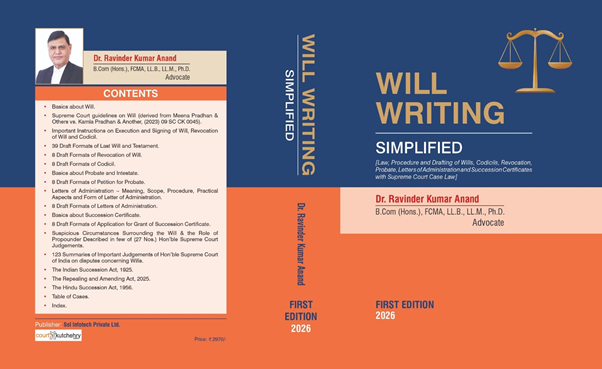
📘 Legal professionals, families and students alike will benefit from Will Writing Simplified, which covers procedure and case law in detail.
🔹 Buy on Amazon
🔹 Buy on Flipkart
Case Background
- Case Title: Sujoy Ghosh vs. State of Jharkhand & Anr.
- Issue: Copyright infringement allegations against the film Kahaani-2.
- Complaint: Alleged copying of a script by the filmmaker.
- Supreme Court Bench: Justices P.S. Narasimha and Alok Aradhe.
The High Court had earlier refused to quash the case, but the Supreme Court overturned that decision, noting that the complaint lacked substance and concealed crucial facts.
Key Observations by the Supreme Court
- Beyond FIR: Courts must not restrict themselves to FIR averments alone; they should examine attendant circumstances and materials on record.
- Duty to Prevent Misuse: In frivolous or vexatious proceedings, courts must read between the lines and ensure justice is not compromised.
- Evidence Ignored: The High Court failed to consider that the Screenwriters Association (SWA) Dispute Settlement Committee had already dismissed the complaint, finding no similarity between the film and the script.
- Witness Statements Weak: Statements by complainant’s relatives did not identify any copied portions of the script.
Broader Implications
- Protection Against Harassment: The ruling shields individuals from false or malicious prosecutions.
- Judicial Efficiency: Courts can dismiss baseless cases early, reducing burden on the justice system.
- Strengthening Section 482 CrPC: The judgment expands the scope of inherent powers of High Courts to ensure justice.
Expert Views
Legal scholars believe this ruling will reshape how High Courts handle petitions under Section 482 CrPC and Article 226 of the Constitution. By allowing courts to look beyond FIRs, the judgment ensures that frivolous cases do not proceed unnecessarily.
Conclusion
The Supreme Court’s decision in the Sujoy Ghosh case is a milestone in criminal jurisprudence. It empowers High Courts to quash baseless proceedings by considering the full context, not just the FIR. This ruling will likely influence future cases where individuals face harassment through false complaints.
Also Read: Ganesan (Dead) through LRs v. Kalanjiam & Ors: Supreme Court Upholds Will, Dismisses Appeal
Keywords for SEO & Faster Searches
Supreme Court FIR quashing ruling, frivolous criminal proceedings India, Sujoy Ghosh copyright case, Section 482 CrPC powers, Article 226 Constitution criminal law, High Court quash FIR guidelines, Kahaani-2 copyright dispute, Supreme Court judgment March 2026, FIR quashing precedent India, misuse of criminal law Supreme Court.