
COURTKUTCHEHRY SPECIAL SERIES ON LANDMARKS JUDGEMENTS ON WILLS, CODICIL & PROBATE
Govindbhai Chhotabhai Patel & Ors v. Patel Ramanbhai Mathurbhai: Supreme Court Affirms Valid Gift Deed, Dismisses Appeal
Property Held Self-Acquired, Not Ancestral
Forgery Allegations Found Baseless
By Vishwas Kumar
New Delhi: March 21, 2026
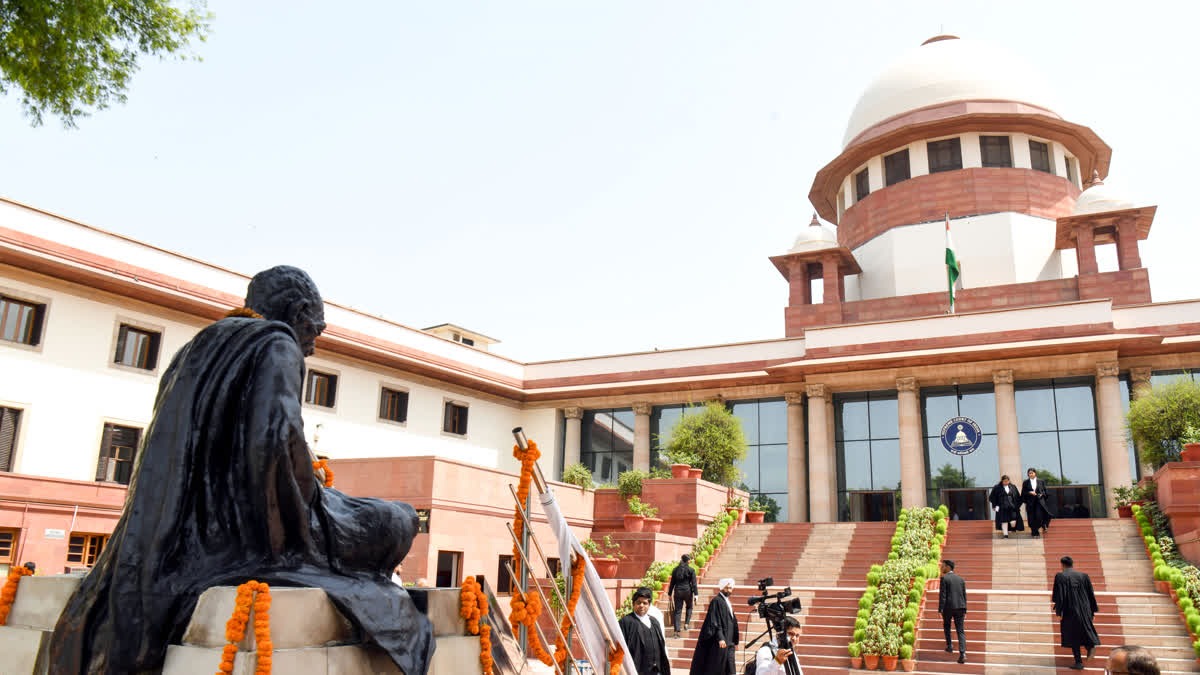
In Govindbhai Chhotabhai Patel and Others v. Patel Ramanbhai Mathurbhai (Civil Appeal No. 7528 of 2019, decided on 23 September 2019), the Supreme Court of India delivered a crucial ruling on property succession and the validity of gift deeds. The appellants contended that the property gifted by their father was ancestral in nature and alleged that the gift deed had been forged. They sought to invalidate the transfer on these grounds.
The bench comprising Hon’ble Mr. Justice L. Nageswara Rao and Hon’ble Mr. Justice Hemant Gupta rejected the appellants’ claims. The Court noted that the property had originally been purchased by the grandfather and subsequently bequeathed by Will, making it self-acquired in the hands of the donor. As such, the donor had full authority to gift the property. The allegations of fabrication and forgery were found to lack any evidentiary support. Importantly, the Court observed that there was no specific denial of execution under Section 68 of the Indian Evidence Act, which requires proof of execution when challenged.
For additional insights, check this curated list of key will-related judgments in India.
Affirming the High Court’s findings, the Supreme Court held that the gift deed was validly executed and enforceable. The appeal was dismissed, thereby upholding the rights of the donee.
This judgment reinforces the principle that self-acquired property can be freely disposed of by its owner, and baseless allegations of forgery will not stand without substantive proof. It also highlights the evidentiary burden on challengers under Section 68 of the Evidence Act, ensuring that property transfers through valid deeds remain secure against speculative disputes.
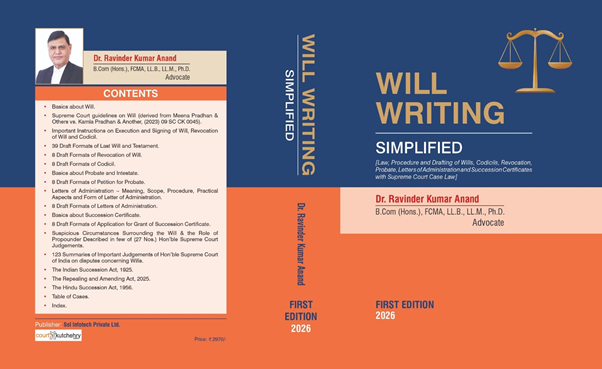
For More, Read Here the Summary of the Judgement from the Book: WILL WRITING SIMPLIFIED, read below or open page no 436, Chapter 14.1 in the book. (Online book purchase link available here on: Buy online: Amazon | Flipkart
|
|
Case Summary |
: |
Govindbhai Chhotabhai Patel & Others v. Patel Ramanbhai Mathurbhai |
|
|
Court |
: |
Supreme Court of India |
|
|
Citations |
: |
(2019) 09 SC CK 0069: Civil Appeal No. 7528 of 2019. |
|
|
Link |
: |
|
|
|
Decided on |
: |
23 September 2019 |
|
|
Coram |
: |
Hon’ble Mr. Justice L. Nageswara Rao and Hon’ble Mr. Justice Hemant Gupta. |
|
|
Relevant Paragraphs |
: |
Para No. 6, 9–21, 22–27, 30–41 |
1. Facts of the Case:
The appellants, sons of late Chhotabhai Ashabhai Patel (Donor), challenged the validity of a gift deed dated 15 November 1977 executed by their father in favour of the respondent (Donee). They alleged the deed was fabricated and claimed the property was ancestral. The Donor’s father, Ashabhai Patel, had originally purchased the property and bequeathed it by Will to the Donor. The Trial Court held the property to be ancestral and declared the gift invalid; the First Appellate Court affirmed. However, the Gujarat High Court reversed these findings, holding the property to be self-acquired and upholding the gift deed.
2. Law Points Involved:
(i). Nature of property — ancestral vs self-acquired under Mitakshara law.
(ii). Effect of property bequeathed by Will — whether it becomes ancestral in hands of son.
(iii). Proof of execution of gift deed under Section 68, Evidence Act, 1872 and Section 123, Transfer of Property Act, 1882.
(iv). Scope of High Court’s jurisdiction in second appeal under Section 100 CPC.
(v). Burden of proof in pleading forgery, fabrication, or denial of execution.
3. Acts / Provisions / Articles Referred:
(i). Indian Succession Act, 1925 — Section 63
(ii). Evidence Act, 1872 — Section 68
(iii). Transfer of Property Act, 1882 — Section 123
(iv). Hindu Succession Act, 1956 — Section 8
(v). Code of Civil Procedure, 1908 — Order VI Rule 1, Order VI Rule 4.
4. Judgments Referred:
Also Read: cases involving suspicious wills rejected by courts
(i). C.N. Arunachala Mudaliar v. C.A. Muruganatha Mudaliar, (1953) 10 SC CK 0004.
(ii). Thulasidhara v. Narayanappa, (2019) 05 SC CK 0064.
(iii). Shyam Narayan Prasad v. Krishna Prasad, (2018) 07 SC CK 0006. https://www.courtkutchehry.com/judgements/958525/shyam-narayan- prasad-appellant-hash-krishna-prasad-and-ors-respondent]
(iv). Rosammal Fernandez v. Joosa Mariyan Fernandez, (2000) 08 SC CK 0068.
(v). K. Laxmanan v. Thekkayil Padmini, (2008) 12 SC CK 0054.
https://www.courtkutchehry.com/judgements/661158/k-laxmanan-vs-thekkayil-padmini-and-others/]
(vi). Pulavarthi Venkata Subba Rao v. Valluri Jagannadha Rao, (1963) 03 SC CK 0017.
(vii). Badat and Co. Bombay v. East India Trading Co., (1963) 05 SC CK 0031.
5. Obiter Dicta:
(i). A father’s self-acquired property devolving under a Will remains self-acquired in the hands of the son unless the Will expressly indicates otherwise.
(ii). Specific denial under the proviso to Section 68 Evidence Act must be categorical and unequivocal; mere allegations of forgery or suspicion do not amount to denial of execution.
(iii). Failure to examine attesting witnesses is not fatal when execution of a registered gift deed is not specifically denied.
6. Ratio Decidendi:
(i). Property acquired by a father through his father’s Will is self-acquired, not ancestral, unless the Will’s intention is otherwise.
(ii). The Donee need not call attesting witnesses under Section 68 Evidence Act for a registered gift deed when execution is not specifically denied.
(iii). Allegations of forgery must be pleaded with particularity under Order VI Rule 4 CPC and supported by proof; mere suspicion or conjecture is insufficient.
(iv). A plaintiff must succeed on the strength of his own case, not on the weakness of the defendant’s.
7. Final Ruling:
The Supreme Court upheld the High Court’s judgment, holding that:
(i). The property was self-acquired in the hands of the Donor;
(ii). The Donor was competent to gift the property to the respondent;
(iii). The appellants failed to prove forgery or any specific denial of execution;
(iv). The appeal was accordingly dismissed.
8. Gist Highlighting Dispute with Final Decision:
The appellants’ central claim was that the property gifted by their father was ancestral and that the gift deed was forged. The Court held otherwise since the property had been purchased by the grandfather and bequeathed by Will, it became self-acquired in the Donor’s hands. The appellants’ allegations of fabrication and forgery lacked evidentiary basis, and no specific denial of execution existed under Section 68 of the Evidence Act. The Supreme Court affirmed the High Court’s finding that the gift deed was validly executed and dismissed the appeal.
Read full Judgement Here:
Govindbhai Chhotabhai Patel & Others v. Patel Ramanbhai Mathurbhai
Supreme Court of India
(2019) 09 SC CK 0069: Civil Appeal No. 7528 of 2019.
You Can Also Purchase the Book from here on: Buy online: Amazon | Flipkart
Similar ownership issues are discussed in cases dealing with property rights and inheritance disputes.