
Supreme Court Declines Plea to Remove Stray Dogs: Balancing Safety and Animal Rights
Dog bite menace acknowledged but removal not permitted
Court reiterates statutory protections under animal welfare laws
By Legal Reporter
New Delhi: May 19, 2026:
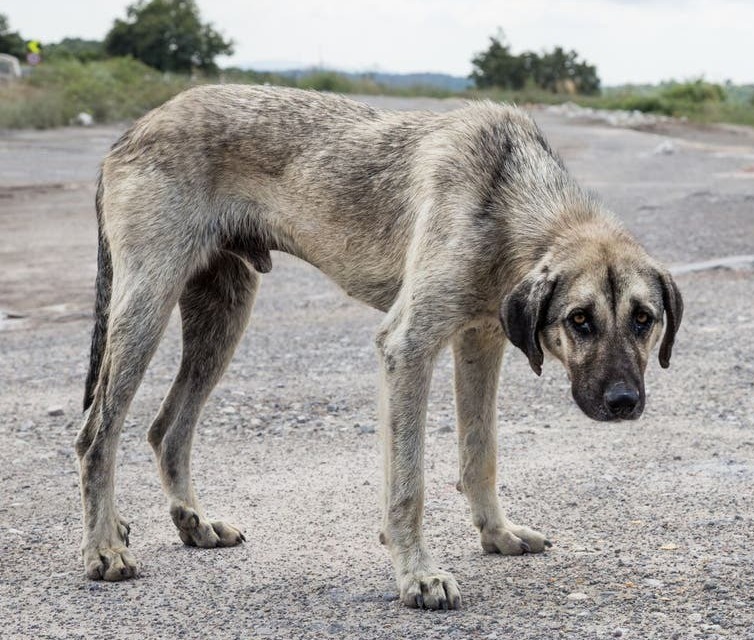
The Supreme Court has refused to modify its earlier directions regarding stray dogs, despite rising concerns over dog bite incidents across India. The Court emphasized that removal of stray dogs from public places cannot be ordered, reaffirming the balance between public safety and animal rights. This ruling highlights the interplay of constitutional principles, municipal obligations, and statutory frameworks like the Prevention of Cruelty to Animals Act, 1960.
The Supreme Court judgment in Kanwarjit Singh Dhillon vs Hardyal Singh Dhillon and Others is an important ruling concerning inheritance disputes, family property rights, and succession law in India. The Supreme Court examined issues relating to ownership claims, validity of testamentary documents, and evidentiary standards required in civil property litigation. This judgment is highly relevant for probate proceedings, partition suits, ancestral property disputes, and succession-related conflicts before Indian courts.
Background
Petitions were filed before the Supreme Court seeking modification of earlier directions to allow removal of stray dogs from public places, citing the rising menace of dog bites. The Court, however, refused to alter its stance, reiterating that stray dogs cannot simply be eliminated or displaced. Instead, the Court emphasized adherence to statutory frameworks and humane management practices.
Key Legal Provisions Discussed
- Prevention of Cruelty to Animals Act, 1960
- Provides protection against cruelty to animals.
- Sections 11 and 12 prohibit inhumane treatment, including killing or maiming.
- The Court’s refusal to permit removal aligns with these statutory safeguards.
- Animal Birth Control (Dogs) Rules, 2001 (amended 2023)
- Issued under the PCA Act, these rules mandate sterilization and vaccination of stray dogs rather than removal.
- Municipal authorities are required to implement sterilization programs to control population.
- Constitutional Principles
- Article 21: Right to life extends to humans, but the Court has previously recognized that animals too have a right to live with dignity.
- Article 51A(g): Fundamental duty of citizens to show compassion to living creatures.
- The ruling reflects a constitutional balance between human safety and animal welfare.
- Municipal Obligations
- Local bodies are tasked with implementing sterilization, vaccination, and shelter programs.
- The Court stressed that municipalities must act responsibly rather than seek blanket removal orders.
Supreme Court’s Observations
- Dog Bite Menace: The Court acknowledged the seriousness of rising dog bite cases but held that removal is not a lawful solution.
- Statutory Compliance: Directions must align with the PCA Act and Animal Birth Control Rules.
- Balance of Rights: Human safety is important, but animal rights cannot be disregarded.
- Municipal Responsibility: Authorities must strengthen sterilization and vaccination drives instead of seeking shortcuts.
Implications of the Ruling
- For Citizens: Public safety concerns remain valid, but solutions must be humane and lawful.
- For Municipalities: Greater accountability in implementing sterilization and vaccination programs.
- For Animal Welfare: Reinforces protection of stray dogs under statutory and constitutional frameworks.
- For Policy Makers: Signals need for stronger enforcement mechanisms and public awareness campaigns.
Detailed FAQ for Quick Understanding
Q1. Why did the Supreme Court refuse to allow removal of stray dogs?
Because removal or killing of stray dogs violates the Prevention of Cruelty to Animals Act, 1960 and the Animal Birth Control Rules, which mandate sterilization and vaccination instead.
Q2. What laws protect stray dogs in India?
- Prevention of Cruelty to Animals Act, 1960
- Animal Birth Control (Dogs) Rules, 2001/2023
- Constitutional principles under Article 21 and Article 51A(g).
Q3. What is the role of municipal authorities?
They must implement sterilization, vaccination, and shelter programs to control stray dog populations and reduce bite incidents.
Q4. Does the Court recognize the menace of dog bites?
Yes. The Court acknowledged rising cases but emphasized that humane statutory solutions must be followed.
Q5. Can stray dogs be relocated or killed?
No. Unless a dog is rabid or incurably ill, killing or removal is prohibited under the PCA Act and ABC Rules.
Q6. What constitutional principles are involved?
- Article 21: Right to life and dignity applies to humans and animals.
- Article 51A(g): Duty of citizens to show compassion to living creatures.
Q7. What practical steps can be taken to address dog bite concerns?
- Strengthening sterilization and vaccination drives.
- Public awareness on safe interaction with stray dogs.
- Municipal shelters and monitoring programs.
In conclusion, the Supreme Court’s refusal to modify directions on stray dogs underscores that public safety must be addressed through lawful, humane measures. The ruling reinforces statutory protections, municipal accountability, and constitutional compassion, ensuring that solutions balance human concerns with animal rights.