
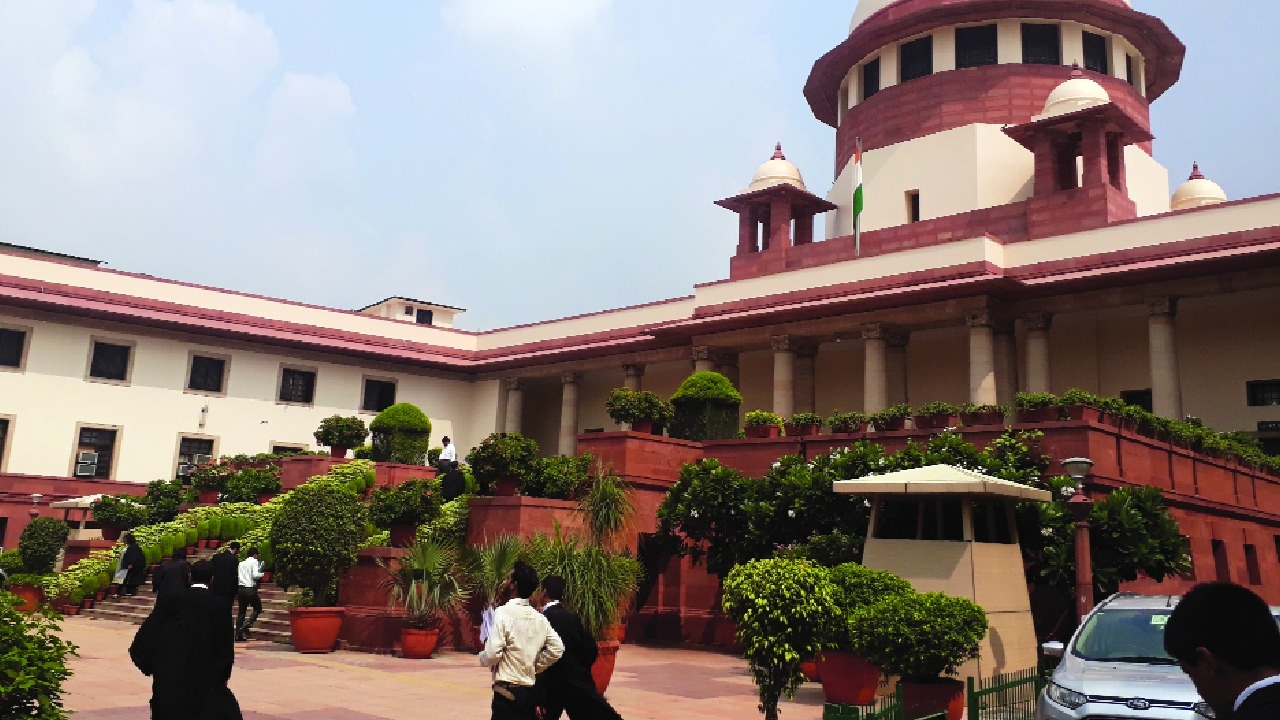
COURTKUTCHEHRY SPECIAL SERIES ON LANDMARKS JUDGEMENTS ON WILLS, CODICIL & PROBATE
Rani Purnima Debi & Anr. v. Kumar Khagendra Narayan Deb & Anr.: Supreme Court Rejects Suspicious Will Despite Registration
Registration Alone Cannot Cure Suspicion in Testamentary Documents
Appeal Allowed, Will Declared Invalid by Apex Court
By Vishwas Kumar
New Delhi: March 31, 2026:
On 22 August 1961, the Supreme Court of India delivered a pivotal ruling in Rani Purnima Debi & Anr. v. Kumar Khagendra Narayan Deb & Anr., addressing the evidentiary value of registration in probate disputes. The controversy centered on a will that disinherited the widow and daughter of the testator, raising multiple suspicious circumstances. These included the unnatural exclusion of close heirs, doubts about the authenticity of the signature, and the fact that attesting witnesses were themselves interested parties.
The Calcutta High Court had earlier leaned on the fact of registration to uphold the will. However, the Supreme Court, with a bench comprising Justices K.N. Wanchoo, K.C. Das Gupta, J.C. Shah, and Raghubar Dayal, firmly rejected this approach. Delivering the judgment, the Court held that mere registration does not prove due execution and attestation of a will. It emphasized that the evidence of registration in this case was perfunctory and failed to establish that the testator understood he was admitting a testamentary document.
The Court clarified that registration cannot, by itself, dispel grave suspicions surrounding a will. Instead, the propounder must prove due execution and attestation through credible and independent evidence. Since the circumstances here pointed to manipulation and lack of free will, the Supreme Court allowed the appeal and rejected the disputed will.
This ruling remains a cornerstone in Indian succession law, underscoring that registration is not a substitute for substantive proof of execution. It protects against fraudulent or coerced testamentary dispositions, ensuring that the sanctity of wills is preserved only when supported by genuine and trustworthy evidence.
For More, Read Here the Summary of the Judgement from the Book: WILL WRITING SIMPLIFIED, read below or open page no 436, Chapter 14.1 in the book. (Online book purchase link available here on: Buy online: Amazon | Flipkart
|
|
Case Summary |
: |
Rani Purnima Debi & Anr. v. Kumar Khagendra Narayan Deb & Anr. |
|
|
Court |
: |
Supreme Court of India |
|
|
Citations |
: |
(1961) 08 SC CK 0021: Civil Appeal No. 373 of 1958. |
|
|
Link |
: |
|
|
|
Decided on |
: |
22 August 1961 |
|
|
Coram |
: |
Hon’ble Mr. Justice K.N. Wanchoo, Hon’ble Mr. Justice K.C. Das Gupta, Hon’ble Mr. Justice J.C. Shah and Hon’ble Mr. Justice Raghubar Dayal. |
|
|
Relevant Paragraphs |
: |
Para Nos.5–25 |
1. Facts of the Case:
The testator, Kumar Chandra Narayan Deb, died in June 1946. The respondent propounded a Will dated 29 December 1943, by which the testator allegedly bequeathed all property to the respondent, subject to maintenance of his widow and sister. The widow and married daughter (appellants) opposed probate, alleging (i) invalid execution and attestation, (ii) unsoundness of mind, and (iii) undue influence. The trial court upheld the Will; the High Court affirmed, relying heavily on the registration of the Will to dispel suspicion.
2. Law Points Involved:
(i). Burden of proof in Will cases lies on the propounder to establish due execution, attestation, and testamentary capacity.
(ii). Where suspicious circumstances exist, the propounder must dispel them by clear evidence.
(iii). Registration of a Will is only an additional circumstance; it does not automatically remove suspicion.
3. Acts / Provisions / Articles Referred:
Section 63, Indian Succession Act, 1925 (execution and attestation of Wills).
4. Judgments Referred:
(i). H. Venkatachala Iyengar v. B.N. Thimmajamma (1958) 11 SC CK 0008.
(ii). Vellaswamy Servai v. L. Sivaraman Servai, (1929) 11 PRI CK 0010.
5. Obiter Dicta:
Registration of a Will is an important corroborative fact but cannot substitute proof of due execution and attestation. The Court stressed that mere registration, if perfunctory, cannot remove legitimate suspicion surrounding the Will.
6. Ratio Decidendi:
Where the Will appears unnatural, excludes close heirs, and is surrounded by suspicious circumstances (such as doubtful signature, possible use of signed blank papers, and participation of the sole beneficiary in execution), the propounder must produce independent, reliable evidence to satisfy the Court’s conscience. The fact of registration alone does not discharge this onus unless it is shown that the testator consciously admitted execution of the Will with full knowledge of its contents.
7. Final Ruling:
Appeal allowed. Judgments of the Assam High Court and the trial court set aside. The Will held not duly proved; letters of administration denied to the respondent. Costs awarded to appellants.
8. Gist Highlighting Dispute with Final Decision:
The dispute centered on whether registration of the Will could cure multiple suspicious circumstances: unnatural disinheritance of widow and daughter, doubtful signature, and interested attesting witnesses. The Supreme Court held that registration did not suffice to prove due execution and attestation, as the evidence of registration was perfunctory and failed to show that the testator understood he was admitting a Will. The appeal was allowed and the Will rejected.
Read full Judgement Here:
Rani Purnima Debi & Anr. v. Kumar Khagendra Narayan Deb & Anr.
Supreme Court of India
(1961) 08 SC CK 0021: Civil Appeal No. 373 of 1958.
You Can Also Purchase the Book from here on: Buy online: Amazon | Flipkart
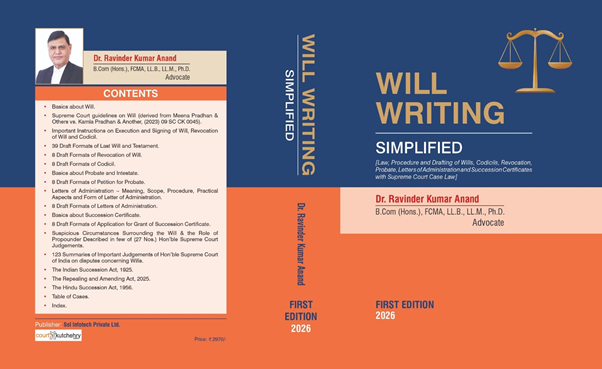
LEGAL RESEARCH RESOURCES: Check out 123 Key Judgements, as highlighted in the book, WILL WRITING SIMPLIFIED, for the quick research and reference purposes. Click the link here: https://www.courtkutchehry.com/pages/blog/123-supreme-court-judgments-on-wills/
Keywords:
Rani Purnima Debi v. Kumar Khagendra Narayan Deb case, 1961 Supreme Court probate judgment, Indian succession law, suspicious will rejection, registration of will not sufficient, Justice K.N. Wanchoo, disinheritance of widow and daughter, attesting witnesses interested, Supreme Court probate ruling India, landmark will dispute case