
Supreme Court Allows Judicial Review of Confirmed Auction Sales
Valuation Doubts Can Trigger Court Intervention
Ensures Transparency in Property Auctions
By Legal Reporter
New Delhi: March 17, 2026:
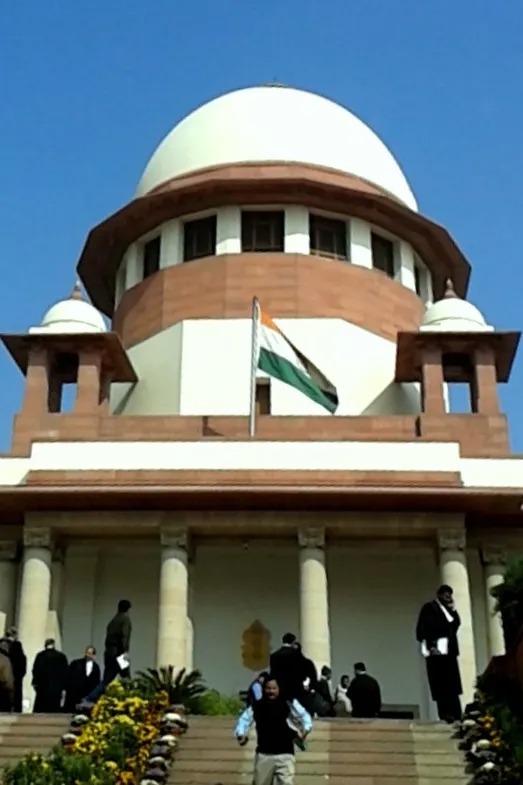
On March 17, 2026, the Supreme Court of India delivered a significant judgment clarifying that courts can exercise judicial review over confirmed auction sales if there are serious doubts about the valuation of the property. The ruling, which arose from a dispute over the sale of assets in a debt recovery case, underscores the judiciary’s role in safeguarding fairness in auction processes.
Background of the Case
Also Read: Samiullah Vs. State of Bihar & Ors.: Supreme Court Quashes Bihar Mutation Rule
- The case involved the auction of property by a financial institution to recover dues.
- The auction sale was confirmed, but questions were raised about whether the property had been undervalued.
- The matter reached the Supreme Court, where the key issue was whether judicial review is permissible after confirmation of the sale.
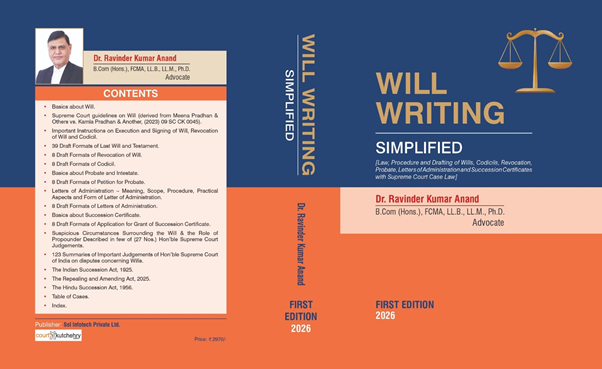
[📘 Legal professionals, families and students alike will benefit from Will Writing Simplified, which covers procedure and case law in detail.]
🔹 Buy online: Amazon | Flipkart
Also Read: Jyoti Sharma vs. Vishnu Goyal & Anr.: Supreme Court Upholds Landlord’s Rights, Orders Eviction
Court’s Observations
- Judicial Review Not Barred: The Court held that confirmation of sale does not bar judicial review if valuation is doubtful.
- Fair Valuation Essential: Auctions must reflect fair market value to protect both creditors and debtors.
- Preventing Injustice: Courts have a duty to intervene if undervaluation leads to unfair loss to stakeholders.
- Transparency Principle: Judicial oversight ensures that auction processes remain transparent and credible.
Implications of the Ruling
- For Financial Institutions: Must ensure proper valuation before auction to avoid legal challenges.
- For Borrowers: Provides protection against undervalued sales of their assets.
- For Judiciary: Reinforces the power of courts to intervene even after sale confirmation.
- For Market Practices: Encourages transparency and fairness in auction procedures.
Broader Context
Auction sales are a common mechanism for recovering debts under laws like the SARFAESI Act and Debt Recovery Tribunals (DRTs). However, disputes often arise over valuation. The Supreme Court’s ruling aligns with its broader jurisprudence that emphasizes fairness, transparency, and protection of rights in financial recovery processes.
Conclusion
The Supreme Court’s decision is a landmark in auction sale jurisprudence. By allowing judicial review of confirmed sales where valuation is doubtful, the Court has reinforced the principle that justice must prevail over procedural finality. This ruling will guide future disputes and ensure fairness in property auctions across India.
Keywords for SEO & Faster Searches
Supreme Court auction sale ruling, judicial review confirmed auction India, property valuation doubtful case, SARFAESI Act auction disputes, Debt Recovery Tribunal auction law, Supreme Court transparency auction sales, valuation disputes property auctions India