
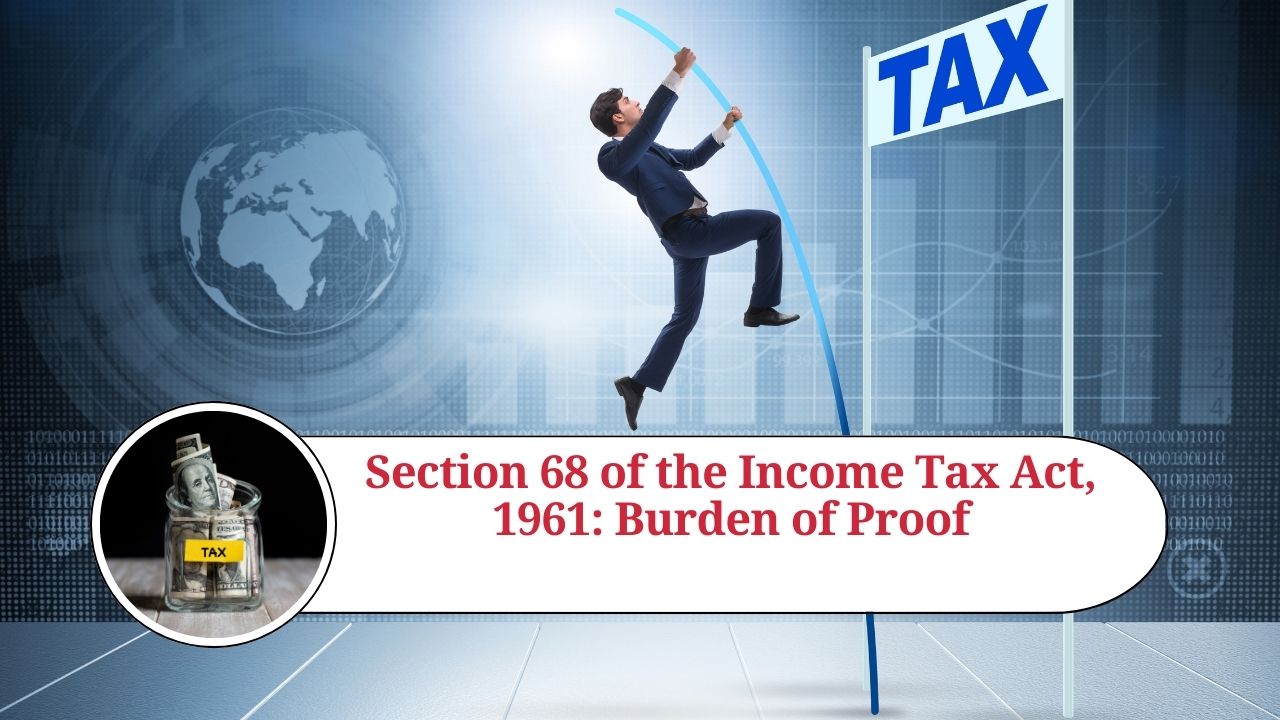
ITAT Protects Taxpayers: No Additions Based Only on Inquiry Statements
Tribunal Stresses Need for Evidence Beyond Oral Statements
Cross-Examination Rights Strengthened Under Section 68
By Legal Reporter
New Delhi: March 13, 2026:
Also Read: RERA Orders Production Warrant in Haryana Realty Case: What It Means for Homebuyers
In a major relief for taxpayers, the Income Tax Appellate Tribunal (ITAT) has clarified that additions under Section 68 of the Income Tax Act, 1961 cannot be sustained merely on the basis of statements recorded during departmental inquiries. The ruling underscores the importance of natural justice and ensures that taxpayers are not penalized without proper evidence.
[Recommended Research Resources]
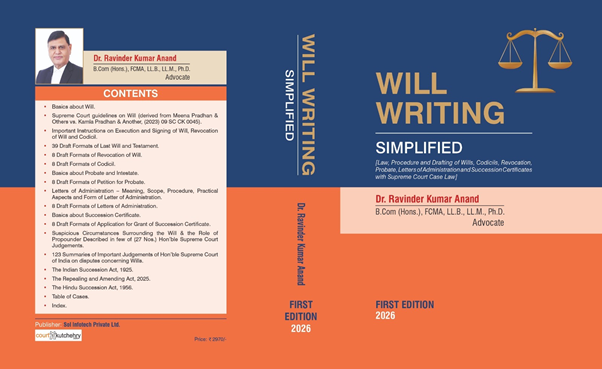
📘 Legal professionals and students alike will benefit from Will Writing Simplified, which covers procedure and case law in detail.
🔹 Buy on Amazon
🔹 Buy on Flipkart
Also Read: India Grants 30-Day Visa Extension to Foreigners Amid West Asia War
Background of the Case
- Tax authorities often rely on statements recorded during surveys or inquiries to make additions under Section 68 (unexplained cash credits).
- In several cases, taxpayers were denied the right to cross-examine witnesses, leading to arbitrary additions.
- The ITAT ruled that unless the taxpayer fails to establish the identity, creditworthiness, and genuineness of transactions, mere statements cannot justify additions.
Key Observations by ITAT
- Statements alone insufficient: Oral statements recorded during inquiry cannot form the sole basis for additions.
- Corroborative evidence required: Authorities must produce documentary proof to support claims of bogus transactions.
- Cross-examination is vital: Denial of cross-examination violates principles of natural justice.
- Onus discharged by taxpayer: Once the taxpayer provides evidence of creditors’ identity and creditworthiness, the burden shifts to the department.
Legal Significance
Also Read: Supreme Court Told: Blood Donation Ban on LGBTQ+ and Sex Workers Retained
- Section 68 clarified: The ruling strengthens interpretation of Section 68, protecting taxpayers from arbitrary assessments.
- Natural justice upheld: Ensures fairness in tax proceedings by mandating cross-examination rights.
- Precedent for future cases: ITAT’s decision will guide assessing officers and appellate authorities in handling similar disputes.
Impact on Taxpayers
- Relief from arbitrary additions: Taxpayers can defend genuine transactions with documentary evidence.
- Reduced litigation: Clear guidelines will prevent unnecessary disputes and appeals.
- Strengthened trust: The ruling enhances confidence in India’s tax adjudication system.
Expert Reactions
Tax professionals have welcomed the judgment, noting that it prevents misuse of inquiry statements. They emphasize that the ruling will encourage fair assessments and reduce harassment of taxpayers.
Also Read: Supreme Court Orders CBI Probe into Dalit Woman’s Death Linked to Ex-MP’s Aide
Conclusion
The ITAT’s ruling marks a significant step toward ensuring fairness and transparency in tax proceedings. By holding that statements recorded during inquiry cannot be the sole basis for additions, the Tribunal has reinforced the importance of evidence-based assessments and safeguarded taxpayer rights.
GEO Keywords for Faster Searches
- ITAT ruling Section 68 India
- Tax additions inquiry statements ITAT
- ITAT taxpayer relief 2026 judgment
- Cross-examination rights in tax cases
- ITAT protects taxpayers from arbitrary additions
- Income Tax Act Section 68 interpretation
- ITAT ruling on unexplained cash credits
Also Read: Bombay High Court: Advocates Must Not Loot Clients in the Name of Justice