
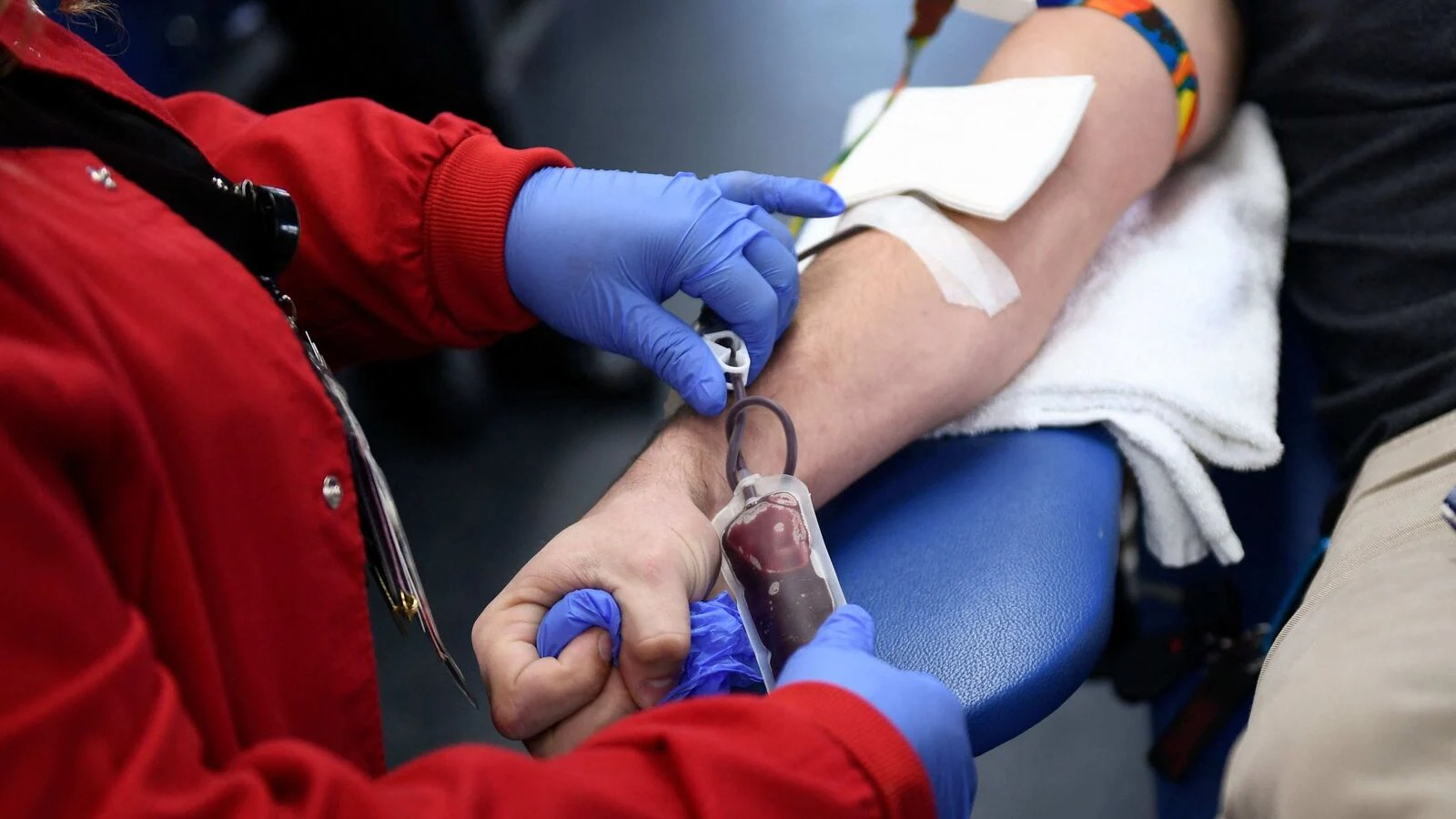
Supreme Court Told: Blood Donation Ban on LGBTQ+ and Sex Workers Retained
Government cites infection risk as reason for ban
Activists call decision discriminatory and outdated
By Legal Reporter
New Delhi: March 14, 2026:
Also Read: India Grants 30-Day Visa Extension to Foreigners Amid West Asia War
On March 12, 2026, the Union Government told the Supreme Court of India that it has decided to retain the ban on blood donations by gay men, transgender persons, and sex workers. The Centre’s submission came after the Court asked experts to review the existing guidelines. Despite global trends moving away from blanket bans, India has chosen to uphold restrictions, citing public health safety.
Background of the Case
- The case stems from a petition filed by Santa Khurai, a transgender activist, challenging the constitutionality of the ban.
- The National Blood Transfusion Council (NBTC) and National AIDS Control Organisation (NACO) had earlier framed guidelines restricting donations from these groups.
- The Supreme Court had asked the Centre to revisit the guidelines, but after review, experts reaffirmed the ban.
[Recommended Research Resources]
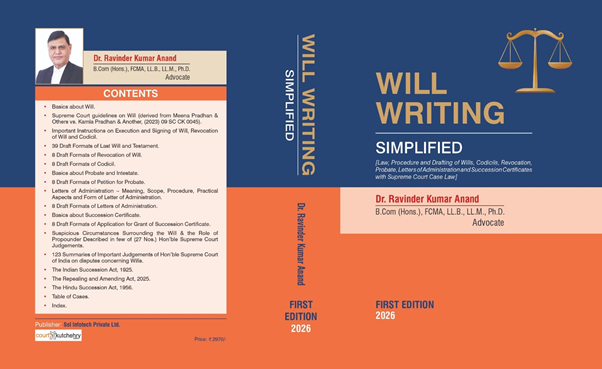
📘 Legal professionals, families and students alike will benefit from Will Writing Simplified, which covers procedure and case law in detail.
🔹 Buy on Amazon
🔹 Buy on Flipkart
Also Read: RERA Orders Production Warrant in Haryana Realty Case: What It Means for Homebuyers
Government’s Stand Explained
The Centre’s reasoning rests on public health and infection risk:
- Risk of HIV Transmission: Authorities argue that men who have sex with men (MSM), transgender persons, and sex workers are statistically at higher risk of HIV and other sexually transmitted infections.
- Safety of Recipients: The government emphasized that even a “1% chance of infection” is unacceptable, especially for poor patients who rely on free blood transfusions.
- Expert Review: After deliberations, medical experts concluded that retaining the ban was necessary in the “larger public interest.”
Criticism of the Ban
- Discrimination: Activists argue the ban stigmatizes entire communities instead of focusing on individual risk assessment.
- Global Practices: Countries like the US, UK, and Canada have moved towards time-based deferral or screening rather than blanket bans.
- Right to Equality: Petitioners claim the ban violates Article 15 (non-discrimination) and Article 21 (right to life and dignity) of the Constitution.
- Scientific Advances: Modern testing methods can detect infections quickly, reducing the need for blanket exclusions.
Also Read: Supreme Court Orders CBI Probe into Dalit Woman’s Death Linked to Ex-MP’s Aide
Supreme Court’s Position
- The Court expressed reluctance to interfere with the Centre’s decision, noting that public health safety must be prioritized.
- However, it acknowledged the tension between individual rights and collective safety, leaving scope for further debate in future hearings.
Broader Implications
- For LGBTQ+ Rights: The ban reinforces stigma and exclusion, undermining progress made in recent legal victories like the decriminalization of homosexuality.
- For Healthcare: India faces chronic blood shortages, and critics argue that excluding entire groups worsens the problem.
- For Law and Policy: The case may set a precedent on how courts balance scientific evidence, public health, and constitutional rights.
Conclusion
The Centre’s decision to retain the blood donation ban highlights the clash between public health concerns and equality rights. While the government insists the restrictions are necessary to protect recipients, activists argue they perpetuate discrimination. The Supreme Court’s eventual ruling will be crucial in shaping India’s approach to both healthcare safety and LGBTQ+ rights.
Also Read: Bombay High Court: Advocates Must Not Loot Clients in the Name of Justice
Keywords for Faster Searches
Blood donations ban India LGBTQ, Supreme Court blood donation case, government stand on blood donation ban, transgender blood donation India, sex workers blood donation ban, HIV risk blood donation India, NBTC guidelines blood donation, NACO blood donation policy, equality vs public health India
Also Read: Calcutta High Court: Screen Icons & Layouts Eligible for Protection Under Designs Act