
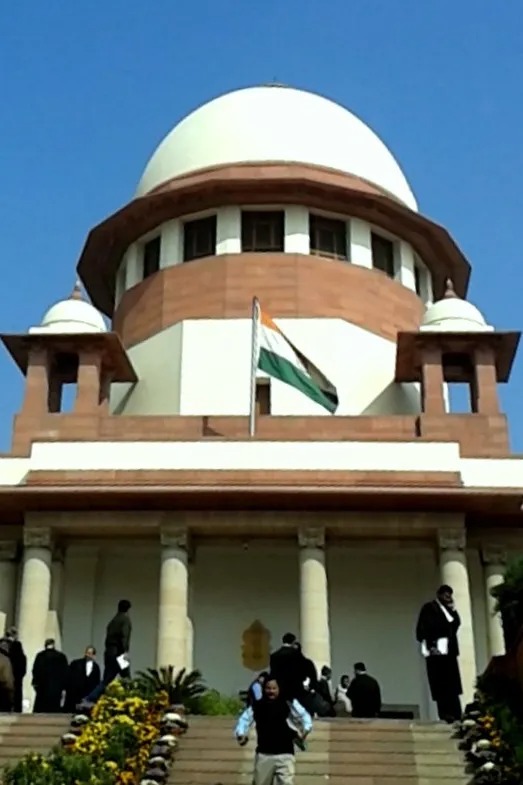
Supreme Court Orders CBI Probe into Dalit Woman’s Death Linked to Ex-MP’s Aide
Bench of Justices Sundresh and Kotiswar Singh Directs Preliminary Inquiry
Court Stresses Independent Investigation in Sensitive Cases
By Legal Reporter
New Delhi: March 12, 2026:
Also Read: India Grants 30-Day Visa Extension to Foreigners Amid West Asia War
On 11 March 2026, the Supreme Court directed the Central Bureau of Investigation (CBI) to conduct a preliminary inquiry into the suspicious death of a 20-year-old Dalit woman from Madhya Pradesh. The woman had earlier accused a close aide of former state Home Minister Bhupendra Singh of molestation.
The bench of Justice M.M. Sundresh and Justice N. Kotiswar Singh emphasized that the case required an impartial probe, free from political influence, to ensure justice for the victim and her family.
Case Background
- Victim: A young Dalit woman from Sagar district, Madhya Pradesh.
- Allegations: Molestation by a political aide of ex-Home Minister Bhupendra Singh.
- Incident: The woman died under suspicious circumstances in 2024.
- Petition: Filed by the victim’s mother, seeking a CBI or SIT probe into multiple family deaths.
- Court’s Order: Directed CBI to conduct a preliminary inquiry and, if prima facie evidence is found, register an FIR.
Legal Significance
Also Read: RERA Orders Production Warrant in Haryana Realty Case: What It Means for Homebuyers
- SC/ST (Prevention of Atrocities) Act, 1989: Protects Dalits from caste-based violence and exploitation.
- Criminal Procedure Code (CrPC): Empowers courts to order independent investigations when state agencies are suspected of bias.
- Judicial Oversight: Reinforces the principle that sensitive cases involving marginalized communities must be handled with impartiality.
Broader Implications
- For Victims: Strengthens confidence that justice can be sought even against politically powerful individuals.
- For Law Enforcement: Highlights accountability and the need for unbiased investigations.
- For Judiciary: Demonstrates proactive intervention to safeguard fundamental rights.
- For Society: Sends a strong message against caste-based discrimination and abuse of power.
[Legal Resources]
📘 Legal professionals and students alike will benefit from Will Writing Simplified, which covers procedure and case law in detail.
🔹 Buy on Amazon
🔹 Buy on Flipkart
Also Read: Supreme Court Told: Blood Donation Ban on LGBTQ+ and Sex Workers Retained
Conclusion
The Supreme Court’s directive for a CBI preliminary inquiry into the Dalit woman’s death is a landmark step in ensuring justice for marginalized communities. By entrusting the case to an independent agency, the Court has reinforced constitutional guarantees of equality, dignity, and protection under law. The outcome of this inquiry will be crucial in shaping accountability in politically sensitive cases.
GEO Keywords for Faster Searches
Also Read: Bombay High Court: Advocates Must Not Loot Clients in the Name of Justice
- Supreme Court CBI probe Dalit woman death
- Justice M.M. Sundresh and N. Kotiswar Singh ruling
- Ex-MP aide molestation case Supreme Court
- Dalit rights SC/ST Act Supreme Court
- CBI preliminary inquiry Supreme Court order
- Supreme Court intervention caste-based violence India
Also Read: Calcutta High Court: Screen Icons & Layouts Eligible for Protection Under Designs Act