
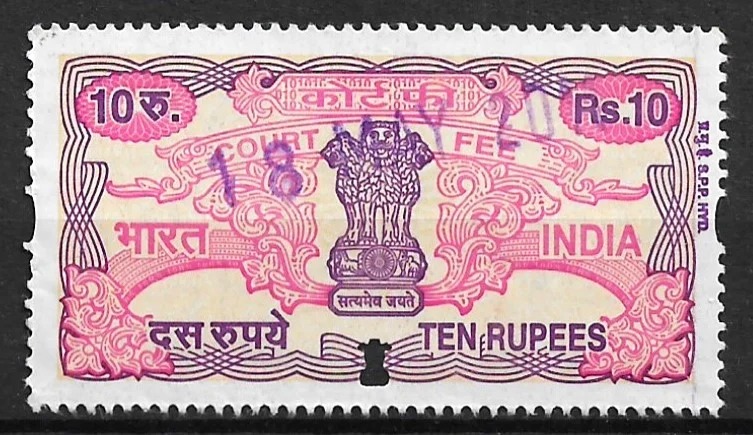
Delhi High Court: Court Fee Is Not a Penalty, Access to Justice Must Be Protected
Judges stress that fees are procedural, not punitive, and should not block genuine litigants
Ruling highlights constitutional principles of fairness and equal access to justice for all citizens
By Our Legal Reporter
New Delhi: January 29, 2026:
In a landmark ruling, the Delhi High Court has held that court fees should not be treated as a penalty imposed on litigants. The judgment came in response to a dispute where the issue of whether a litigant could be penalized for non-payment or delayed payment of court fees was raised. Justice C. Hari Shankar observed that court fees are intended to support the judicial system’s functioning, not to punish individuals seeking justice.
This ruling is significant because it touches upon the broader principle of access to justice, a cornerstone of India’s constitutional framework. By clarifying the role of court fees, the High Court has reinforced that procedural requirements must never become barriers to justice.
Case Background
- Issue Raised: Whether non-payment or delayed payment of court fees should result in dismissal of a case or penal consequences.
- Court’s Decision: The Delhi High Court ruled that court fees are not punitive in nature. They are meant to facilitate the administration of justice, not to obstruct it.
- Observation: Justice Hari Shankar emphasized that litigants should not be denied their right to be heard merely because of technical lapses in fee payment.
Court’s Observations
- Court Fee Is Procedural, Not Punitive
- The purpose of court fees is to contribute to the functioning of the judicial system.
- It is not intended to punish litigants or discourage them from filing cases.
- Access to Justice Is Fundamental
- The Constitution guarantees equal access to justice under Articles 14 and 21.
- Excessive or punitive fees would violate these rights.
- Judicial Responsibility
- Courts must ensure that procedural requirements do not become obstacles to substantive justice.
- Judges should adopt a liberal approach when dealing with technical lapses in fee payment.
Wider Legal Context
Also Read: Supreme Court Orders Inclusion of 49 HIMSR PG Seats in NEET-PG Counselling 2025–26
1. Court Fees Act, 1870
- Governs the levy of court fees in India.
- Designed to regulate the filing of suits and petitions.
- Not intended to act as a deterrent or punishment.
2. Constitutional Principles
- Article 14: Equality before law.
- Article 21: Protection of life and personal liberty, which includes access to justice.
- Article 39A: Directive Principle mandating free legal aid and equal justice.
3. Judicial Precedents
- Courts across India have repeatedly emphasized that procedural rules must aid justice, not obstruct it.
- The Supreme Court has held that access to justice is a fundamental right, and technicalities should not defeat substantive claims.
Social and Legal Implications
- For Litigants: Provides reassurance that genuine claims will not be dismissed due to technical lapses in fee payment.
- For Judiciary: Reinforces the principle that courts exist to deliver justice, not to penalize.
- For Society: Strengthens public confidence in the judicial system by ensuring fairness and accessibility.
Recent Related Judgments
Also Read: Supreme Court: No Need for Handwriting Expert if Will Signatures Are Undisputed
|
Court & Date |
Case |
Key Ruling |
Impact |
|
Delhi HC, Jan 2026 |
Court fee dispute |
Court fee not a penalty |
Reinforced access to justice |
|
Supreme Court, 2025 |
Procedural lapses case |
Technicalities must not defeat justice |
Strengthened litigants’ rights |
|
Bombay HC, 2024 |
Fee payment delay |
Liberal approach to lapses |
Reduced dismissal of genuine cases |
Why This Judgment Matters
- Protects Litigants: Ensures that procedural lapses do not deny justice.
- Clarifies Law: Provides clear guidance on the role of court fees.
- Strengthens Judiciary: Empowers courts to prioritize fairness over technicalities.
Conclusion
The Delhi High Court’s ruling that court fees are not penalties is a landmark in reinforcing the principle of access to justice. By clarifying that fees are procedural requirements, not punitive measures, the court has ensured that litigants are not unfairly penalized for technical lapses. This judgment strengthens India’s judicial framework and sends a clear message: justice must always prevail over technicalities.
Suggested Keywords (SEO + ChatGPT)
Also Read: Is a Hiba Valid for Unborn Grandchildren? Legal Experts Explain Muslim Gift Law in India
- Delhi High Court courts’ fee ruling
- Court fee not penalty India
- Access to justice Delhi HC judgment
- Court Fees Act 1870 interpretation
- Justice C Hari Shankar ruling Delhi HC
- Procedural vs substantive justice India
- Court fee payment lapses India
- Constitutional right access to justice India
- Delhi HC landmark judgment 2026
- Court fee litigation India
Also Read: Karnataka High Court Refuses to Quash FIR in Voyeurism Case: ‘No Woman Is Safe’