
Allahabad HC Denies Legal Right to Collect Badhai by Transgender Persons
Customary practice not enforceable under law
Court distinguishes social tradition from statutory entitlement
By Our Legal Correspondent
New Delhi: April 28, 2026:
The Allahabad High Court has ruled that transgender persons have no enforceable legal right to collect badhai (customary gifts given at weddings or childbirth ceremonies). The Court clarified that such practices are rooted in social custom, not statutory entitlement, and cannot be enforced through criminal law.
Those examining property succession disputes, validity of wills, and the evidentiary burden in testamentary litigation should also read the Supreme Court ruling in Bhag Singh vs Jaskirat Singh and Others, which discusses how courts evaluate attesting witnesses, suspicious circumstances, and competing inheritance claims while determining the genuineness of a will under Indian succession law.
Background
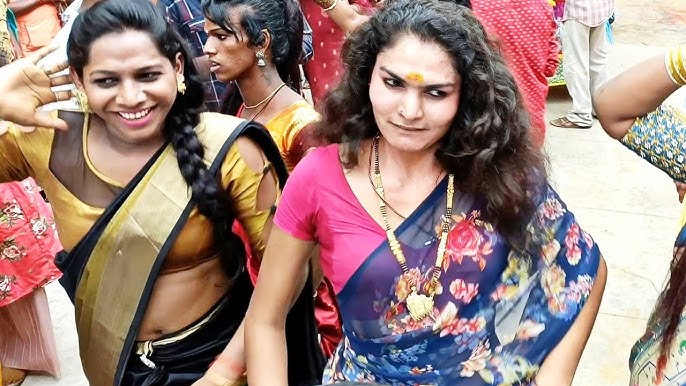
The practice of badhai—where transgender persons visit households during weddings or childbirth ceremonies to sing, dance, and collect gifts or money—is a long-standing social custom in India. However, disputes have arisen when families refuse to pay, leading to confrontations and, in some cases, criminal complaints.
In a recent case, the Allahabad High Court was asked to determine whether transgender persons could claim a legal right to collect badhai. The Court categorically held that no such right exists under Indian law, emphasizing that customs cannot override statutory provisions unless formally recognized.
Key Legal Frameworks and Rules Discussed
- Indian Penal Code (IPC) / Bharatiya Nyaya Sanhita (BNS), 2023
- Complaints often involve allegations of extortion, intimidation, or trespass.
- The Court clarified that demanding badhai without consent could amount to criminal liability under provisions relating to coercion or unlawful assembly.
- Customary Practices vs. Statutory Law
- Article 13 of the Constitution invalidates customs or practices inconsistent with fundamental rights.
- The Court noted that while customs may be socially tolerated, they do not create enforceable legal rights unless codified.
- Transgender Persons (Protection of Rights) Act, 2019
- Provides rights to equality, non-discrimination, and welfare measures.
- The Court emphasized that while the Act protects dignity and livelihood, it does not confer a statutory right to collect badhai.
- Right to Livelihood under Article 21
- The Court acknowledged that transgender persons have a constitutional right to livelihood.
- However, livelihood must be pursued through lawful means, not enforced collection of customary gifts.
Court’s Findings
- No statutory backing: The practice of collecting badhai is customary, not legally recognized.
- Consent is key: Families may voluntarily give gifts but cannot be compelled.
- Criminal liability possible: Demanding money through threats or coercion could attract penal provisions.
- Alternative livelihood: The Court encouraged reliance on welfare schemes and employment opportunities under the Transgender Persons Act.
Implications
- For Transgender Communities: The ruling limits reliance on badhai as a livelihood source, pushing towards formal employment and welfare schemes.
- For Families: Provides legal clarity that refusal to pay badhai cannot be criminally challenged.
- For Law Enforcement: Offers guidance to distinguish between voluntary gift-giving and coercive demands.
- For Social Policy: Highlights the need for stronger rehabilitation and livelihood programs for transgender persons.
Challenges Ahead
- Cultural sensitivity: The practice of badhai is deeply rooted in tradition, and outright denial may cause social friction.
- Economic vulnerability: Many transgender persons depend on badhai due to limited employment opportunities.
- Policy gap: Welfare schemes under the Transgender Persons Act need stronger implementation to provide viable alternatives.
[RESEARCH RESOURCES]
BUY & READ THE BOOK, WILL WRITING SIMPLIFIED, By Dr Ravinder Kumar Anand. [📘 Buy Will Writing Simplified online: Amazon | Flipkart ]
FAQ on Allahabad HC Ruling
Q1. What is badhai?
It is a customary practice where transgender persons visit households during weddings or childbirth ceremonies to sing, dance, and collect gifts or money.
Q2. Did the Court recognize badhai as a legal right?
No. The Court held that badhai is a social custom, not a statutory entitlement, and cannot be enforced through law.
Q3. Can families refuse to pay badhai?
Yes. Families are free to decline payment, and refusal does not create criminal liability.
Q4. What happens if transgender persons demand money forcefully?
Such actions may attract criminal charges under provisions relating to extortion, intimidation, or trespass.
Q5. Does the Transgender Persons Act, 2019 allow badhai collection?
No. The Act protects rights to equality and livelihood but does not confer a legal right to collect badhai.
Q6. What alternatives exist for livelihood?
Transgender persons can access welfare schemes, skill development programs, and employment opportunities under government initiatives.
Q7. What is the broader significance of this ruling?
It distinguishes between social customs and enforceable legal rights, reinforcing that livelihood must be pursued through lawful means.
In conclusion, the Allahabad High Court’s ruling underscores the distinction between tradition and law. While badhai remains a cultural practice, it cannot be enforced as a legal right, pushing policymakers to strengthen livelihood opportunities for transgender persons.