
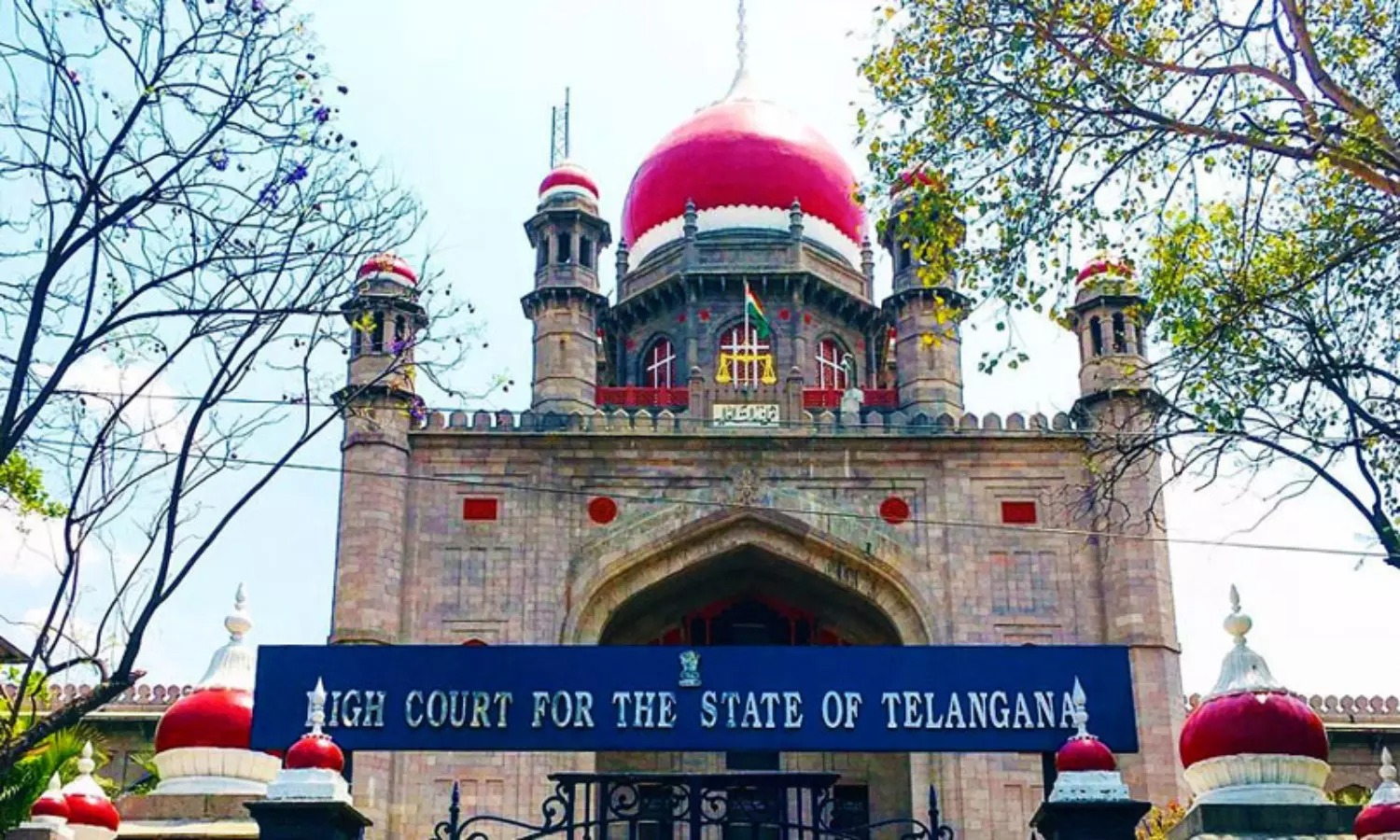
Telangana HC Restores Property to Grandson in Gift Deed Case
Court Rules Cancellation Order “Legally Untenable”
Senior Citizens’ Welfare Law Cannot Override Civil Jurisdiction
By Our Legal Correspondent
New Delhi: March 06, 2026:
A division bench of the Telangana High Court, comprising Chief Justice Aparesh Kumar Singh and Justice G.M. Mohiuddin, has set aside an administrative order that cancelled a 2018 registered gift deed executed by a grandfather in favour of his grandson. The case involved a residential property in Kothapet village, Hyderabad, which the grandson had redeveloped at a cost of nearly ₹4 crore.
Also Read: AGR Panel Slashes Vodafone Idea Dues by ₹27,000 Crore: What It Means for Telecom Sector
The grandfather later sought cancellation of the deed, alleging neglect and misuse. Authorities under the Maintenance and Welfare of Parents and Senior Citizens Act, 2007 cancelled the gift deed. However, the High Court ruled that such cancellation was beyond their jurisdiction and restored the property to the grandson.
[Recommended Research Resources]
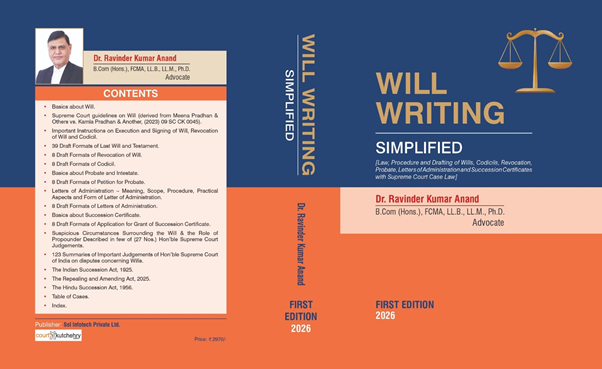
📘 Legal professionals, families and students alike will benefit from Will Writing Simplified, which covers procedure and case law in detail.
🔹 Buy on Amazon
🔹 Buy on Flipkart
Also Read: NO MUNNABHAI: NMC Orders Medical Colleges to Link Patient Records with ABHA IDs for Transparency
Legal Issue Explained
- Gift Deeds: Under the Transfer of Property Act, 1882, a registered gift deed transfers ownership irrevocably unless challenged in civil court.
- Senior Citizens Act, 2007: Section 23 allows cancellation of transfers if the transferee fails to provide basic amenities or physical needs to the senior citizen.
- Court’s Finding: The High Court clarified that while the Act provides remedies, administrative authorities cannot cancel registered deeds directly. Such disputes must be adjudicated in civil courts.
Court’s Observations
- Jurisdictional Error: The authority acted beyond its powers by cancelling a registered deed.
- Civil Remedy Available: The grandfather could approach civil courts for relief, but administrative proceedings were “legally untenable.”
- Balance of Rights: The Court emphasized protecting senior citizens while also upholding the sanctity of registered property transfers.
Why Customers/Property Owners Should Care
Also Read: ED Arrests Chartered Accountants in ₹641 Crore Cyber Fraud: Complex Modus Operandi Exposed
- Registered Gift Deeds Are Strong: Once executed, they cannot be casually revoked.
- Civil Court Is the Proper Forum: Administrative bodies cannot override registered property rights.
- Senior Citizens Still Have Remedies: They can seek cancellation in civil courts if neglected.
- Property Buyers Must Verify: Ensure gift deeds are properly registered to avoid future disputes.
Expert Views
- Legal Experts: Applaud the ruling for clarifying limits of administrative powers.
- Property Lawyers: Stress that registered deeds carry strong legal weight and must be challenged only in civil courts.
- Senior Citizen Advocates: Note that while protection is important, remedies must follow proper jurisdiction.
Conclusion
The Telangana High Court’s ruling in the gift deed dispute underscores the importance of jurisdiction in property law. By restoring the property to the grandson, the Court reaffirmed that registered gift deeds cannot be cancelled by administrative authorities under the Senior Citizens Act.
Also Read: Chandigarh Realtor Named Mastermind in ₹590 Crore Government Funds Fraud
This decision provides clarity for families, property owners, and senior citizens, ensuring that disputes are resolved through proper legal channels.
GEO Keywords for Faster Searches
- Telangana HC gift deed dispute ruling
- Senior Citizens Act property cancellation India
- Gift deed cancellation jurisdiction India
- Property rights grandson Telangana HC
- Transfer of Property Act gift deed India
- Hyderabad property gift deed case 2026
- Civil court jurisdiction gift deed disputes
- Telangana High Court property restoration
Also Read: Supreme Court Opens Door for Non-Parties to Challenge Judgments in India