
Supreme Court Opens Door for Non-Parties to Challenge Judgments in India
Landmark ruling ensures wider access to justice
Kerala service dispute sparks broader legal clarity
By Legal Reporter
New Delhi: March 06, 2026:
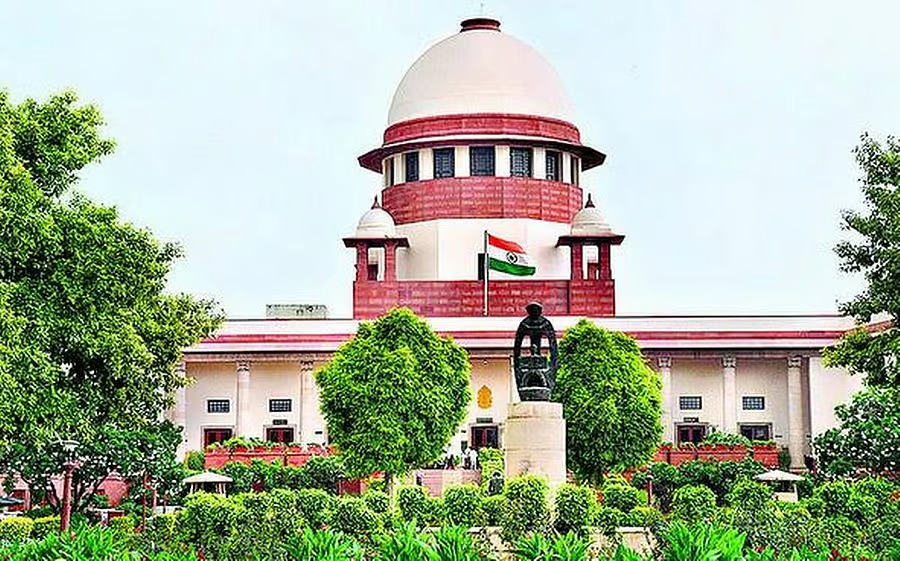
In a landmark judgment, the Supreme Court of India has reaffirmed that persons who were not parties to a case but are adversely affected by its outcome are not without remedy. They can seek review or challenge the decision before the appropriate forum. This ruling, delivered by a bench comprising Justice Dipankar Datta and Justice Aravind Kumar, arose from disputes over promotions in the Kerala Technical Education Service.
Also Read: Haryana to Mandate Registration of Property Sale Agreements
[Recommended Research Resources]
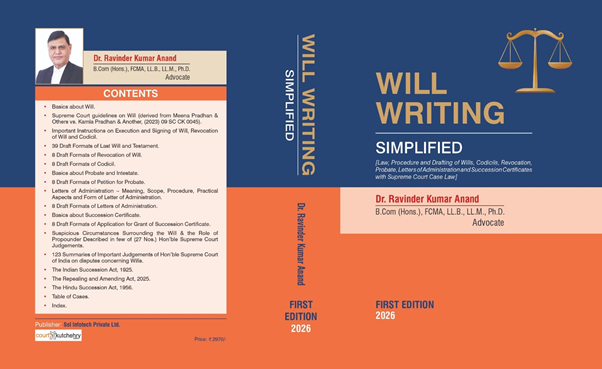
📘 Legal professionals and students alike will benefit from Will Writing Simplified, which covers procedure and case law in detail.
🔹 Buy on Amazon
🔹 Buy on Flipkart
Background of the Case
Also Read: Meesho Faces ₹1,500 Crore Tax Demand: To Challenge Income Tax Order
- The dispute centered on Rule 6A of the Kerala Technical Education Service (Amendment) Rules, 2004, which exempted certain lecturers appointed before March 27, 1990, and aged above 45, from acquiring a PhD for promotions.
- Several employees who were not parties to the original proceedings found themselves adversely affected by the judgment.
- The Court clarified that such individuals are entitled to seek review or challenge, ensuring that justice is not denied merely because they were not direct litigants.
Key Observations by the Supreme Court
- Access to justice must extend beyond direct litigants. Judicial decisions often have ripple effects, especially in service matters, where promotions or benefits may affect employees not originally involved.
- Non-parties can approach appropriate forums. The Court emphasized that remedies like review petitions or appeals are available to those indirectly impacted.
- Safeguarding fairness. The ruling ensures that judgments do not create unintended injustice for individuals who had no opportunity to present their case earlier.
Legal Significance
Also Read: Punjab & Haryana High Court Acquits Gurmeet Ram Rahim in Journalist Murder Case
This judgment builds upon earlier rulings, including N.P. Saseendran v. N.P. Ponnamma (2025), where the Court clarified circumstances under which a non-party may appeal against a decree. Together, these decisions strengthen the principle that justice must be inclusive and accessible.
Implications for Legal Practice
- For employees and service professionals: The ruling provides a safeguard against being unfairly disadvantaged by judgments in cases they were not part of.
- For lawyers and litigants: It expands the scope of representation, requiring careful consideration of potential non-party stakeholders.
- For judiciary: It reinforces the principle that courts must remain vigilant to ensure fairness beyond the immediate litigants.
Expert Reactions
Legal experts have hailed the ruling as a progressive step. It acknowledges the complex realities of modern litigation, where judgments often affect a wider circle than those directly involved. Critics, however, caution that this could lead to an increase in review petitions, potentially burdening the judiciary.
Conclusion
The Supreme Court’s ruling is a milestone in Indian jurisprudence, ensuring that justice is not confined to those who file cases but extends to all who are affected. By opening the doors for non-parties to challenge judgments, the Court has reinforced the constitutional promise of fairness and equality before law.
Also Read: ED Raids Mumbai & Chennai Firms in Alleged NSE Unlisted Shares Fraud
Keywords for Faster Searches
- Supreme Court India non-parties judgment
- Review petition by non-parties
- Kerala Technical Education Service case
- Rule 6A promotions exemption
- Justice Dipankar Datta Aravind Kumar ruling
- Indian judiciary access to justice
- Non-party appeal Supreme Court India