
Gurgaon Fake Hospital Insurance Racket Exposed
Bogus Doctors, Ghost Patients, and Insurance Fraud
Legal Framework and Risks for Patients
By Legal Reporter
New Delhi: March 05, 2026:
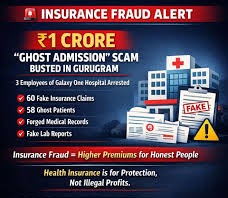
In February 2026, Gurgaon Police raided Galaxy One Hospital in New Palam Vihar, uncovering a large-scale insurance fraud. The hospital allegedly created ghost admissions, fake lab reports, and fabricated treatment bills to file false insurance claims. At least ₹1 crore worth of fraudulent claims have been detected so far, with suspicions of a wider network involving multiple hospitals and diagnostic centres.
Also Read: AGR Panel Slashes Vodafone Idea Dues by ₹27,000 Crore: What It Means for Telecom Sector
How the Racket Worked
- Fake Patients: Individuals were recruited to pose as patients.
- Bogus Doctors: Unqualified persons acted as medical professionals.
- Fabricated Records: Lab reports, prescriptions, and bills were forged.
- Insurance Claims: Fraudulent claims were filed with nearly 25 insurance companies, splitting payouts between hospital staff and fake patients.
[Legal Resources]
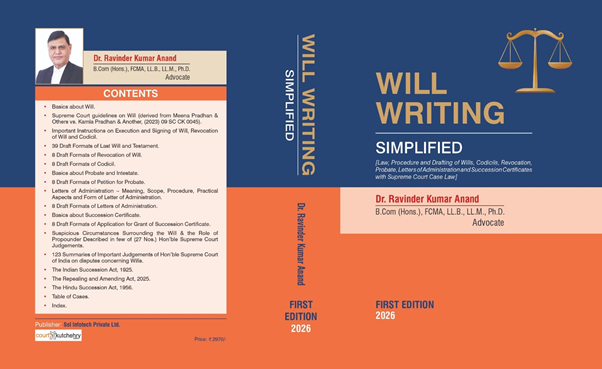
📘 Legal professionals, families and students alike will benefit from Will Writing Simplified, which covers procedure and case law in detail.
🔹 Buy on Amazon
🔹 Buy on Flipkart
Also Read: NO MUNNABHAI: NMC Orders Medical Colleges to Link Patient Records with ABHA IDs for Transparency
Applicable Laws and Rules
1. Indian Penal Code (IPC)
- Section 420 (Cheating): Filing false insurance claims amounts to cheating.
- Section 467 & 468 (Forgery): Forging medical records and bills is punishable.
- Section 120B (Criminal Conspiracy): Applicable for organized fraud involving multiple actors.
2. Insurance Act, 1938
- Fraudulent claims violate provisions protecting insurers from misrepresentation.
3. Medical Council of India Rules
- Practicing medicine without registration is illegal under the Indian Medical Council Act, 1956.
4. Clinical Establishments Act, 2010
- Hospitals must be registered and comply with standards. Fake hospitals breach these norms.
Why Patients Should Worry
Also Read: ED Arrests Chartered Accountants in ₹641 Crore Cyber Fraud: Complex Modus Operandi Exposed
- Risk of Fake Treatment: Patients may unknowingly receive care from unqualified doctors.
- Insurance Rejection: Genuine claims could be rejected if insurers tighten scrutiny.
- Legal Trouble: Patients acting as “ghost claimants” may face criminal charges.
- Trust Deficit: Such scams erode public confidence in private healthcare.
Police and Regulatory Action
- Arrests: At least three hospital staffers have been arrested.
- Files Seized: Nearly 60 fake insurance claim files linked to 25 firms recovered.
- CID Probe: Authorities suspect a larger network involving other hospitals and diagnostic centres.
Expert Views
- Legal Experts: Stress that stricter enforcement of the Clinical Establishments Act is needed.
- Insurance Analysts: Warn that fraud increases premiums for genuine customers.
- Healthcare Advocates: Call for stronger patient verification and doctor credential checks.
Conclusion
The Gurgaon fake hospital racket is a wake-up call for India’s healthcare and insurance sectors. By exploiting loopholes and weak oversight, fraudsters endangered patients and defrauded insurers. Stronger enforcement of IPC provisions, Medical Council rules, and insurance regulations is essential to restore trust.
Also Read: Chandigarh Realtor Named Mastermind in ₹590 Crore Government Funds Fraud
GEO Keywords for Faster Searches
- Gurgaon fake hospital insurance scam
- Galaxy One Hospital fraud case
- Fake doctors insurance racket India
- IPC Section 420 hospital fraud
- Clinical Establishments Act violations Gurgaon
- Insurance fraud private hospitals India
- Gurgaon police hospital raid 2026
- Bogus medical records insurance claims
Also Read: Supreme Court Opens Door for Non-Parties to Challenge Judgments in India