
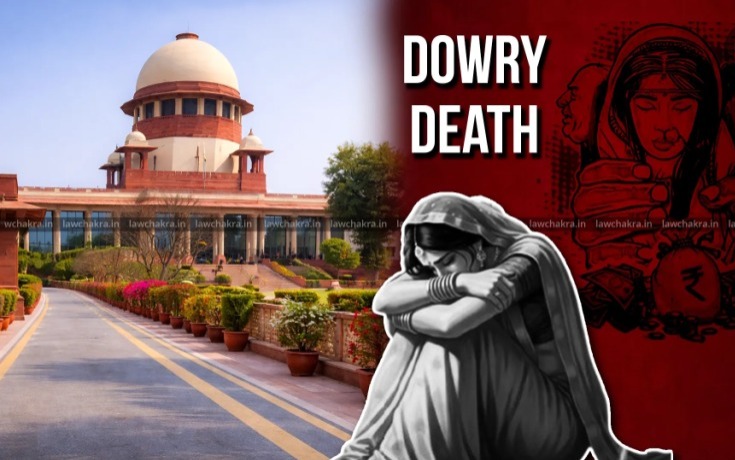
Supreme Court Flags Alarming Bail Trends in Dowry Death Cases
Allahabad HC Judge Under Scrutiny for 99% Bail Rate
SC Calls Dowry Deaths a Social Crime Needing Strict Scrutiny
By Legal Reporter
New Delhi: March 17, 2026:
Also Read: K. S. Dinachandran vs. Shyla Joseph & Ors: Supreme Court Upholds Validity of Contested Will
Dowry-related deaths remain one of India’s most pressing social and legal challenges. In recent weeks, the Supreme Court of India has strongly criticized the Allahabad High Court for granting bail in almost all dowry death cases heard by a particular judge. The apex court’s intervention underscores the need for stricter judicial standards in handling cases that involve the death of young brides under suspicious circumstances.
Background of the Controversy
- High Bail Rate: Justice Bhatia of the Allahabad High Court reportedly granted bail in 508 out of 510 dowry death cases.
- Supreme Court Intervention: On February 9, 2026, a bench of Justices J.B. Pardiwala and K.V. Vishwanathan set aside one such bail order, describing it as “most shocking and disappointing.”
- Case Example: In November 2025, the Supreme Court cancelled bail granted to a husband accused of killing his wife within four months of marriage, stressing that the High Court had ignored crucial evidence including a dying declaration.
Also Read: Supreme Court Forms 9-Judge Bench to Decide ‘Industry’ Definition Under Labour Law
[Recommended Resources]
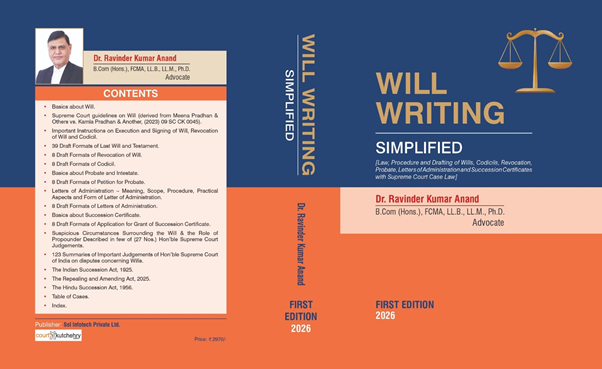
📘 Legal professionals, families and students alike will benefit from Will Writing Simplified, which covers procedure and case law in detail.
🔹 Buy online: Amazon | Flipkart
Supreme Court’s Observations
Also Read: Ilaiyaraaja vs Saregama: Copyright Battle Over Indian Music Royalties
- Dowry Deaths as Social Crime: The Court emphasized that dowry deaths are not ordinary criminal cases but social crimes that demand heightened judicial sensitivity.
- Ignored Evidence: Several bail orders were criticized for overlooking Section 113B of the Evidence Act, which presumes culpability in dowry death cases.
- Judicial Responsibility: The Court warned that granting bail without proper scrutiny undermines justice and erodes public trust in the judiciary.
Implications of the Ruling
- For Judiciary: Reinforces the need for consistency and seriousness in bail decisions involving dowry deaths.
- For Victims’ Families: Provides reassurance that courts will not trivialize dowry-related violence.
- For Legal Practice: Lawyers must ensure that evidence such as dying declarations and presumption clauses are properly argued.
- For Society: Sends a strong message that dowry deaths will be treated as grave crimes, not routine bail matters.
Broader Context
India records thousands of dowry-related deaths annually. Despite strict laws under Section 304B IPC and Section 113B Evidence Act, enforcement remains weak. The Supreme Court’s intervention highlights systemic issues in lower courts and calls for judicial accountability.
Also Read: Can Housing Societies Ban Zomato & Swiggy for Defaulters? Gurgaon Case Sparks Legal Debate
Conclusion
The Supreme Court’s sharp criticism of the Allahabad High Court’s bail practices marks a turning point in dowry death jurisprudence. By treating these cases as social crimes requiring strict scrutiny, the apex court has reinforced the seriousness of dowry-related violence and the need for judicial responsibility.
Keywords for SEO & Faster Searches
Supreme Court dowry death bail, Allahabad High Court bail controversy, Justice Bhatia dowry cases, Section 304B IPC dowry death, Section 113B Evidence Act presumption, dowry deaths India law, bail jurisprudence dowry cases, SC cancels bail dowry death
Also Read: Boney Kapoor, Janhvi & Khushi Move Madras High Court Over Sridevi’s Chennai Property