
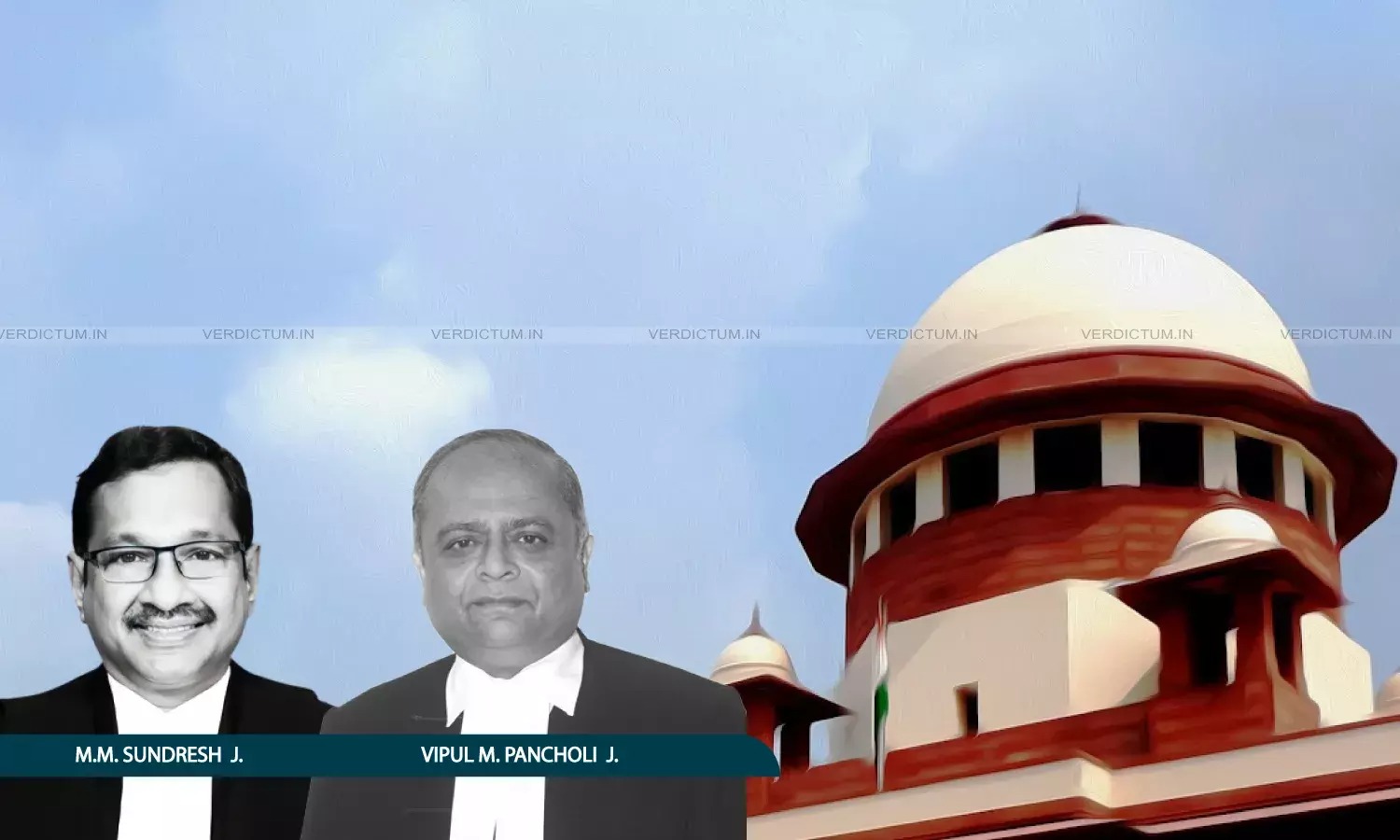
Supreme Court: Succession to Sajjadanashin Governed by Custom and Nomination, Not Lineal Inheritance
Nomination Through Khilafatnama Holds Legal Validity
Spiritual Office Distinct from Property Rights
By Legal Reporter
New Delhi: April 07, 2026:
In a landmark judgment delivered on April 2, 2026, the Supreme Court of India clarified the principles governing succession to the office of Sajjadanashin of the Hazarath Mardane-e-Gaib Dargah in Karnataka. The Court held that succession is determined by custom, usage, and valid nomination, rather than strict hereditary rules. This ruling provides clarity on the legal character of spiritual offices in Wakf institutions and limits judicial interference in concurrent factual findings.
Relevant judgments are listed in these key rulings on testamentary disputes. Supreme Court judgments on testamentary and will disputes in India , including the significant case of Kalyan Singh vs Smt. Chhoti and Others, which examines important principles of will validity, succession, and inheritance disputes.
Key Legal Principles Discussed
1. Nature of the Office of Sajjadanashin
- The Court emphasized that the Sajjadanashin is not merely an administrator of Wakf property but primarily a spiritual head.
- Responsibilities include preserving the spiritual lineage (silsila), guiding disciples (murids), conducting religious ceremonies such as Urs and Sandal, and maintaining traditions.
- The role is distinct from that of a Mutawalli, who is essentially a secular manager.
2. Succession by Custom and Nomination
- Succession to spiritual offices is governed by custom, usage, or nomination, depending on the institution.
- The Court recognized that while the office may be hereditary in character, it is not governed by strict inheritance rules.
- Nomination by the incumbent is a valid and recognized mode of succession.
3. Evidentiary Value of Khilafatnama
- The Court upheld the validity of a Khilafatnama dated 26 February 1981, executed in a religious ceremony attended by community elders.
- Oral and documentary evidence confirmed the intention of the incumbent to nominate his grandson as successor.
- The Court stressed that substance must prevail over form—even if the document did not explicitly use the term “Sajjadanashin,” it conveyed succession through spiritual authority.
4. Limits of Judicial Review
- Under Section 100 CPC, second appeals are limited to substantial questions of law.
- The Court reiterated that reappreciation of evidence is not permissible unless findings are perverse or based on no evidence.
- Concurrent findings of the trial court and appellate court were upheld, as no manifest illegality or miscarriage of justice was found.
LEGAL RESEARCH RESOURCES
📘 Legal professionals and students alike will benefit from Will Writing Simplified, which covers procedure and case law in detail. This book is a practical guide to drafting wills, codicils, and succession documents, making it an essential resource for law students and practitioners.
🔹 Buy online: Amazon | Flipkart
Check Supreme Court rulings on inheritance here. Click the link here: https://www.courtkutchehry.com/pages/blog/123-supreme-court-judgments-on-wills/
Implications of the Ruling
- Spiritual offices are sui generis: They cannot be equated with hereditary property rights.
- Nomination is valid: Incumbent spiritual heads can nominate successors consistent with custom.
- Judicial restraint: Courts must respect concurrent factual findings unless clear illegality exists.
- Community traditions matter: Established practices of Dargahs and shrines guide succession.
FAQs
Q1: What is a Sajjadanashin?
A spiritual head of a Dargah responsible for preserving spiritual lineage, guiding disciples, and conducting ceremonies.
Q2: Is succession to Sajjadanashin purely hereditary?
No. While often hereditary, succession is governed by custom and valid nomination, not strict inheritance.
Q3: What is a Khilafatnama?
A formal document executed by an incumbent Sajjadanashin nominating a successor, often in a religious ceremony.
Q4: Can civil courts interfere in succession disputes?
Civil courts have limited jurisdiction. Under Section 100 CPC, second appeals are restricted to substantial questions of law.
Q5: What is the difference between Sajjadanashin and Mutawalli?
- Sajjadanashin: Spiritual head with religious duties.
- Mutawalli: Secular manager of Wakf property.
Q6: What happens if nomination is challenged?
The burden lies on the challenger to prove forgery or invalidity. Mere suspicion cannot displace a duly proved document.
Q7: Does recognition of a Sajjadanashin affect property rights?
No. Succession to the spiritual office does not extinguish proprietary rights of other descendants or beneficiaries.
Conclusion
The Supreme Court’s ruling in Syed Mohd. Ghouse Pasha Khadri v. Syed Mohd. Adil Pasha Khadri is a landmark in succession law for religious offices. By affirming nomination through Khilafatnama and distinguishing spiritual offices from property rights, the Court has reinforced the importance of custom, tradition, and valid nomination in preserving the integrity of spiritual institutions.