
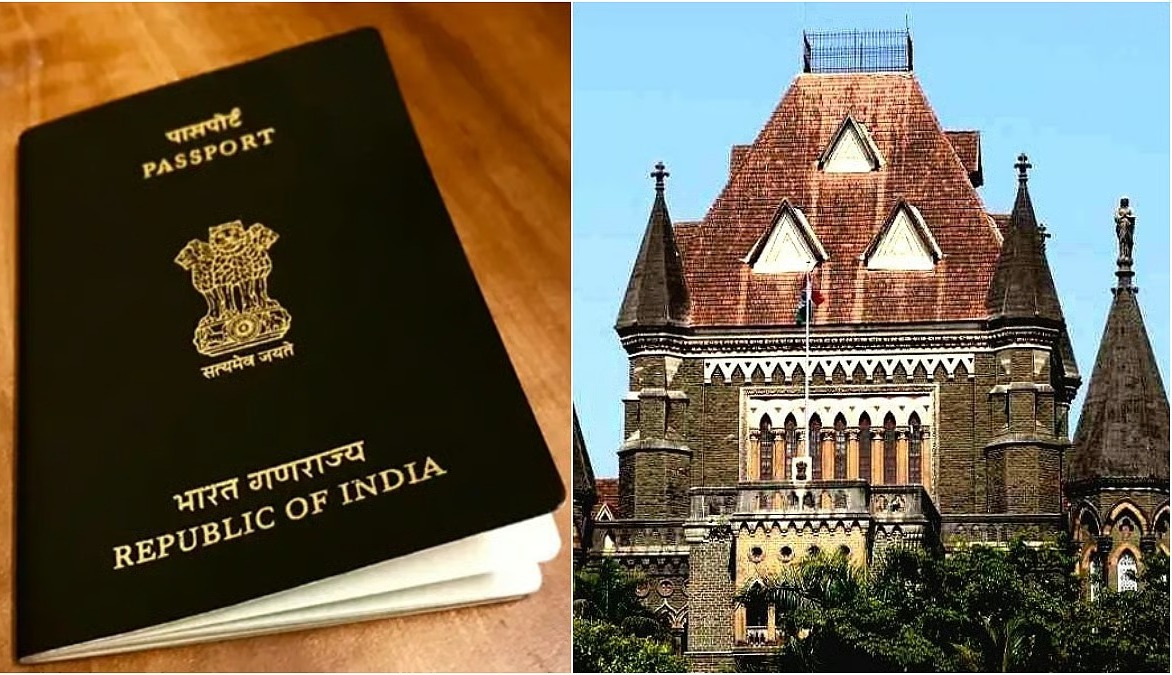
Bombay HC: Pending Case No Ground for Passport Denial
Right to Travel Abroad Protected Under Article 21
Administrative Discretion Must Align with Constitutional Guarantees
By Our Legal Correspondent
New Delhi: May 04, 2026:
The Bombay High Court has ruled that merely having a pending criminal case cannot automatically justify denial of a passport, drawing a firm constitutional line between administrative discretion and fundamental rights. The Court emphasized that the right to travel abroad is part of the right to personal liberty under Article 21 of the Constitution.
In property transactions across India, the legality of transfer through General Power of Attorney (GPA), sale agreements, and similar arrangements has been a major area of dispute. A landmark ruling addressing this issue is Suraj Lamp & Industries Pvt Ltd vs State of Haryana GPA property transfer judgment , where the Supreme Court clarified that property transactions cannot be legally completed through GPA, agreement to sell, or will alone, and must be executed through a registered sale deed. This judgment has become a cornerstone in Indian property law, reinforcing the requirement of proper registration to establish valid ownership rights.
Background
The case before the Bombay High Court involved an applicant whose passport renewal was denied solely on the ground that a criminal case was pending against him. The Regional Passport Office relied on provisions of the Passport Act, 1967 and related rules, arguing that issuance of a passport could be restricted in such circumstances.
The High Court, however, clarified that mere pendency of a case does not automatically bar issuance of a passport. Unless there is a specific judicial order restricting travel, administrative authorities cannot deny this right.
Key Legal Principles Discussed
- Passport Act, 1967 – Section 6
- Section 6 outlines grounds on which a passport authority may refuse issuance.
- These include national security, public interest, or if the applicant is subject to court orders restricting travel.
- The Court emphasized that pendency of a case alone is not listed as a ground for refusal.
- Fundamental Right to Travel Abroad – Article 21
- The Supreme Court in Maneka Gandhi v. Union of India (1978) recognized the right to travel abroad as part of the right to personal liberty.
- Any restriction must be reasonable, proportionate, and backed by law.
- Judicial Oversight vs Administrative Discretion
- The Court noted that only a judicial order—such as bail conditions or explicit travel restrictions—can limit passport issuance.
- Administrative authorities cannot impose blanket restrictions without judicial backing.
- Balance Between Liberty and Justice
- While courts may restrict travel to ensure trial attendance, such restrictions must be case-specific.
- Denial of passports without judicial orders amounts to arbitrary curtailment of liberty.
Court’s Observations
- The High Court held that constitutional rights cannot be curtailed by administrative fiat.
- It directed the passport authority to process the application unless a competent court had specifically restrained the applicant from traveling abroad.
- The ruling reinforces that executive discretion must operate within constitutional boundaries.
Implications of the Ruling
- For Citizens: Ensures that pending cases do not automatically block international travel.
- For Passport Authorities: Clarifies that refusal must be based on statutory grounds or judicial orders, not assumptions.
- For Judiciary: Reaffirms its role as the sole authority to impose restrictions on liberty.
This judgment strengthens the principle that fundamental rights cannot be diluted by administrative convenience.
FAQ: Quick Legal Understanding
Q1. Can a pending criminal case stop me from getting a passport?
Not automatically. Only if a court has specifically restricted your travel abroad.
Q2. What does Section 6 of the Passport Act say?
It lists grounds for refusal, such as national security, public interest, or court orders. Pendency of a case alone is not a ground.
Q3. What if I am out on bail?
If bail conditions restrict travel abroad, passport issuance may be denied. Otherwise, you retain the right to apply.
Q4. Is the right to travel abroad a fundamental right?
Yes. The Supreme Court has held it is part of the right to personal liberty under Article 21.
Q5. Who decides if I can travel abroad during trial?
Only the court handling your case can impose such restrictions, not passport authorities.
Q6. What should I do if my passport application is denied due to a pending case?
You can challenge the denial in High Court, citing constitutional rights and absence of judicial restriction.
Conclusion
The Bombay High Court’s ruling draws a clear constitutional boundary: pending criminal cases cannot be used as a blanket ground to deny passports. Only judicial orders can restrict travel abroad. This decision strengthens personal liberty under Article 21 and ensures that administrative authorities act within the framework of law.