
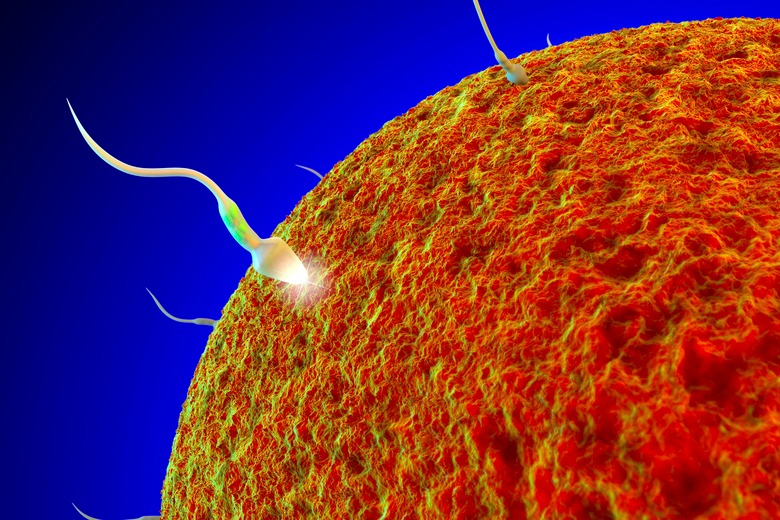
Kerala High Court Allows Extraction of Gametes from Brain-Dead Man for Wife’s Future Use
Court balances reproductive autonomy with medical ethics
Order sets precedent in assisted reproductive technology cases
By Our Legal Correspondent
New Delhi: March 16, 2026:
In a landmark ruling, the Kerala High Court has allowed the extraction and preservation of gametes from a brain-dead man, enabling his wife to use them in the future for assisted reproductive technology (ART). The case, decided in March 2026, is the first of its kind in India and raises profound questions about reproductive rights, medical ethics, and the scope of consent in end-of-life situations.
The petition was filed by the wife of the deceased, who sought judicial permission to preserve her husband’s reproductive material. The Court, while granting relief, emphasized the importance of respecting the autonomy of individuals and their families in matters of reproduction, even in extraordinary circumstances.
[📘 Recommended Reading]
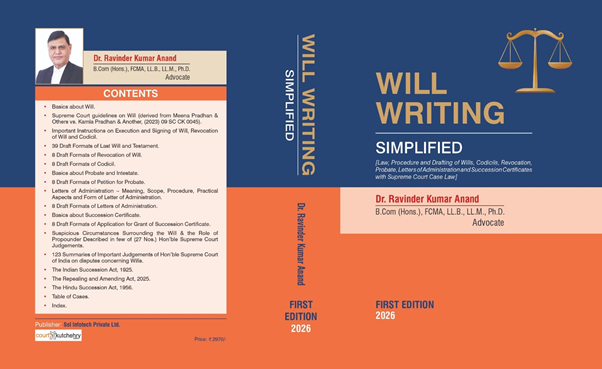
Legal professionals, families and students alike will benefit from Will Writing Simplified, which covers procedure and case law in detail.
BUY TODAY🔹 Amazon
BUY TODAY🔹 Flipkart
Legal Issues at Stake
- Consent & Autonomy
- The Court examined whether consent could be presumed or extended in cases where the individual is brain-dead.
- It emphasized the wife’s reproductive autonomy and her right to family life under Article 21 of the Constitution of India.
- Medical Ethics & ART Regulation
- The ruling interacts with the Assisted Reproductive Technology (Regulation) Act, 2021, which governs ART procedures in India.
- The Act does not explicitly address gamete extraction from brain-dead individuals, creating a legal vacuum.
- Right to Parenthood
- The Court recognized the wife’s right to pursue motherhood, balancing it against ethical concerns about posthumous reproduction.
- Precedent & Future Cases
- This decision sets a precedent for similar petitions, potentially influencing ART practices and hospital protocols nationwide.
Background & History
- Petition Filed: Wife of the brain-dead man approached the Kerala High Court seeking permission.
- Medical Context: Doctors required judicial clearance due to ethical and legal uncertainties.
- Court’s Decision: Allowed extraction and preservation, subject to compliance with ART regulations.
- Global Context: Similar cases have been reported in countries like the U.S. and France, but India lacked precedent until now.
Broader Implications
Also Read: ITAT Upholds Reliefs for Reliance Retail: AJIO Marketing Expenses Allowed as Revenue
- For Families: Provides legal clarity for spouses seeking reproductive options after tragic circumstances.
- For Medical Institutions: Hospitals must now develop protocols for gamete extraction in brain-dead cases.
- For Lawmakers: May prompt amendments to the ART Act to explicitly cover posthumous reproduction.
- For Society: Sparks debate on ethics, religion, and cultural attitudes toward assisted reproduction.
GEO-Friendly Keywords
- Kerala High Court gamete extraction case
- Brain-dead man reproductive rights India
- Assisted Reproductive Technology Act 2021
- Posthumous reproduction legal India
- Gamete preservation High Court ruling
- Reproductive autonomy constitutional law India