
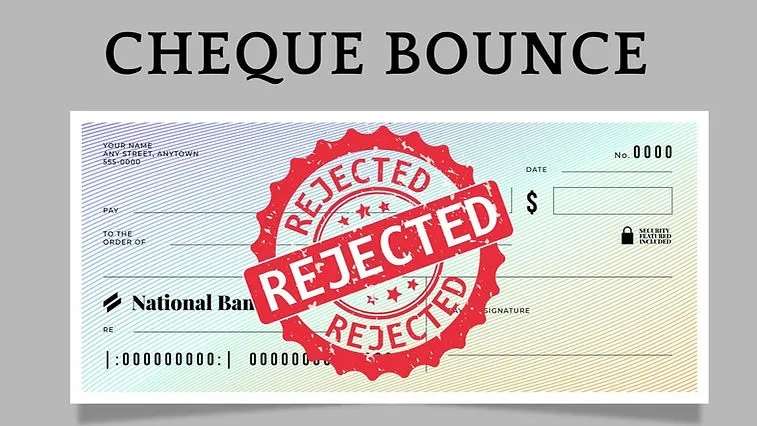
Karnataka High Court Quashes Cheque Bounce Case: No Liability When Account Frozen
Court Says Drawer Must Have Control Over Account
Freezing by Police Investigation Not Same as Insufficient Funds
By Our Legal Correspondent
New Delhi: March 12, 2026:
Also Read: Supreme Court Warns: Overzealous Investigations Based on Public Perceptions Harm Justice
In a landmark judgment, the Karnataka High Court has clarified that cheque dishonour cases under Section 138 of the Negotiable Instruments Act, 1881 (NI Act) cannot be sustained when the dishonour occurs due to a debit freeze imposed by statutory authorities. The ruling came in the case of M/s ND Developers Pvt. Ltd. v. Ritesh Raushan, where the company’s account was frozen during a police investigation, leading to cheque dishonour.
Justice M. Nagaprasanna observed that criminal liability under Section 138 arises only when the drawer has control over the account and the dishonour is due to insufficiency of funds or similar reasons.
Case Background
- Complaint Filed: Ritesh Raushan filed a complaint under Section 138 NI Act after cheques issued by ND Developers were dishonoured.
- Reason for Dishonour: The cheques bounced because the company’s account was frozen by police authorities during an investigation.
- Petition to High Court: ND Developers challenged the proceedings, arguing that they had no control over the account at the time of dishonour.
Also Read: Calcutta High Court Seeks Response on PIL Over Non-Disbursal of PMMVY Maternity Benefits
[Research Resources]
📘 Legal professionals, families and students alike will benefit from Will Writing Simplified, which covers procedure and case law in detail.
🔹 Buy on Amazon
🔹 Buy on Flipkart
Court’s Key Observations
- Control Over Account Essential: Liability under Section 138 requires that the drawer had control over the account when the cheque was presented.
- Frozen Account Not Same as Insufficient Funds: Dishonour due to account freeze cannot be equated with dishonour due to lack of funds.
- Quashing of Proceedings: The Court quashed the criminal case, ruling that prosecution in such circumstances is unsustainable.
- Clarification of Law: The judgment distinguishes between dishonour caused by financial incapacity and dishonour caused by external restrictions.
Also Read: Supreme Court: J&K Paramedical Staff Cannot Be Denied Regularisation
Legal Significance
- Protection for Businesses: Companies facing account freezes during investigations cannot be automatically held liable for cheque dishonour.
- Interpretation of Section 138 NI Act: The ruling narrows the scope of criminal liability, ensuring fairness in commercial disputes.
- Precedent for Future Cases: This decision will guide courts in similar disputes where dishonour is caused by regulatory or investigative actions.
Wider Impact
- Commercial Litigation: The ruling strengthens protections for businesses against unfair criminal prosecution.
- Banking Practices: Banks must clearly state the reason for dishonour to avoid wrongful prosecution.
- Investor Confidence: By clarifying liability, the judgment may improve trust in corporate transactions.
Conclusion
The Karnataka High Court’s ruling in ND Developers Pvt. Ltd. v. Ritesh Raushan is a significant development in cheque dishonour law. By holding that liability under Section 138 NI Act requires control over the account, the Court has ensured that businesses are not unfairly penalized when external factors like police investigations cause dishonour.
Also Read: Delhi High Court Upholds Compensation in Motor Accident Case Against United India Insurance
Keywords for Faster Searches
- Karnataka High Court cheque bounce ruling
- ND Developers Pvt Ltd case
- Section 138 NI Act frozen account
- Cheque dishonour liability India
- Account freeze police investigation cheque bounce
- Karnataka HC commercial litigation ruling
- Negotiable Instruments Act cheque dishonour judgment
Also Read: Supreme Court Restricts Property Transfers Through Wills in Chandigarh