
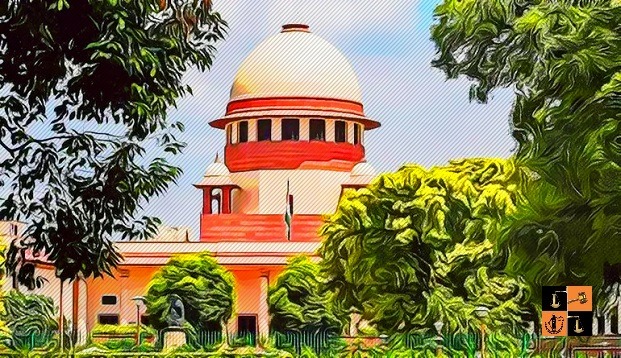
Supreme Court Warns: Overzealous Investigations Based on Public Perceptions Harm Justice
Court Says Prosecution Cases Must Be Evidence-Based, Not Emotion-Driven
Judgment Highlights Need for Balanced and Fair Investigations
By Legal Reporter
New Delhi: March 12, 2026:
Also Read: Delhi High Court Summons EOW Officer from Gurugram Over Threats to Litigant
In a landmark ruling delivered on 11 March 2026, the Supreme Court of India criticized investigative agencies for conducting “overzealous investigations” influenced by public sentiment rather than evidence. The Court noted that such investigations often collapse during trial, leaving prosecution cases in a “mess.”
The judgment underscores the importance of impartiality, fairness, and adherence to legal standards in criminal investigations, especially in high-profile cases that attract public attention.
Case Background
- Bench: Justices B.R. Gavai and Sandeep Mehta.
- Observation: Investigations framed on public perceptions rather than facts are unsustainable.
- Context: The Court was hearing an appeal where the prosecution’s case had collapsed due to inconsistencies and lack of credible evidence.
- Key Finding: “Overzealous investigation is fatal to prosecution.”
Also Read: Supreme Court Slams Delay: 350+ Trials Pending in J&K for Over 5 Years
[Research Resources]
📘 Legal professionals and students alike will benefit from Will Writing Simplified, which covers procedure and case law in detail.
🔹 Buy on Amazon
🔹 Buy on Flipkart
Legal Significance
- Criminal Procedure Code (CrPC): Investigations must follow due process under Sections 154–173.
- Evidence Act, 1872: Prosecution cases must be built on admissible and credible evidence, not public opinion.
- Judicial Principle: Courts cannot convict based on perception; only evidence matters.
- Constitutional Safeguards: Article 21 guarantees fair trial and protection against arbitrary state action.
Broader Implications
Also Read: Madras HC: Scheduled Offence Trial Must Shift to PMLA Special Court
- For Investigative Agencies: Reinforces the need for professional, evidence-based investigations.
- For Judiciary: Strengthens the principle that courts must guard against trials influenced by media or public pressure.
- For Citizens: Protects individuals from wrongful prosecution based on perception rather than proof.
- For Legal Community: Adds to jurisprudence on fair trial and due process in criminal law.
How Citizens and Lawyers Can Deal with Such Cases
- Demand Transparency: Citizens should insist on evidence-based charges rather than perception-driven narratives.
- Legal Defence: Lawyers must challenge overzealous investigations by highlighting procedural lapses and lack of evidence.
- Awareness: Public must understand that justice is based on law, not media trials or public opinion.
- Judicial Oversight: Courts must continue to act as guardians of fairness, ensuring investigations remain within legal bounds.
Conclusion
The Supreme Court’s ruling is a strong reminder that justice cannot be compromised by overzealous investigations shaped by public perceptions. By emphasizing evidence and due process, the Court has reinforced the integrity of India’s criminal justice system. This judgment will serve as a precedent, guiding investigative agencies to act with restraint and fairness.
Also Read: Supreme Court Quashes Bihar Act: ₹1 Compensation for Historic Library Declared Arbitrary
GEO Keywords for Faster Searches
- Supreme Court overzealous investigation ruling
- Public perception in criminal trials India
- Evidence-based prosecution Supreme Court
- Fair trial Article 21 India
- CrPC investigation guidelines Supreme Court
- Supreme Court judgment March 2026 criminal law
- Media trial vs fair trial India
Also Read: Bombay High Court Orders Life Term in Incestuous Rape Case, Upholds School Records as Age Proof