
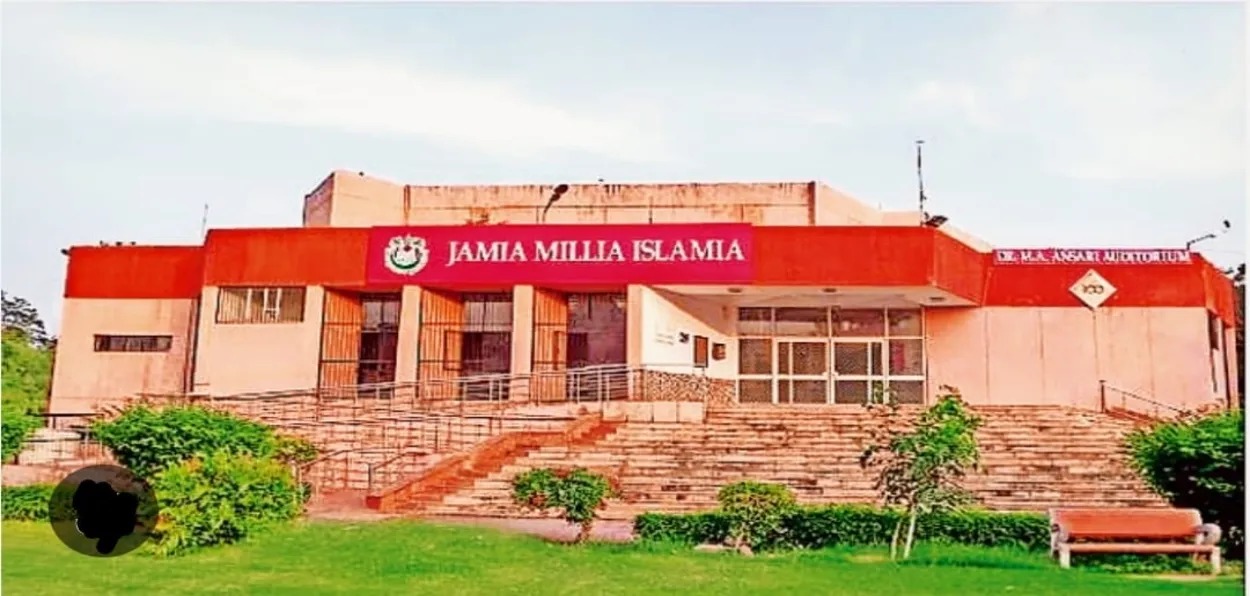
Delhi High Court: Clean Toilets Are Basic Workplace Right, Quashes Action Against Jamia Professor
Court Says Hygiene and Dignity Cannot Be Trivialised
Professor’s Demand for Clean Facilities Was Justified
By Legal Reporter
New Delhi: March 21, 2026:
In a landmark judgment, the Delhi High Court struck down disciplinary proceedings initiated by Jamia Millia Islamia University against senior professor Sujata Ashwarya. The professor, who taught at the Centre for West Asian Studies, had sought a clean and separate ladies’ toilet at the workplace. Instead of addressing her grievance, the university issued a show-cause notice and demanded an apology, terming her conduct “misconduct and insubordination.”
For further reading, check this comprehensive guide to will-related case laws in India.
Case Background
- Professor Involved: Sujata Ashwarya, Centre for West Asian Studies, JMI.
- Complaint: Request for a clean, standalone ladies’ toilet.
- University’s Action: Issued a show-cause notice eight months later, demanding apology.
- Court Hearing: Justice Sanjeev Narula presided over the case.
The professor challenged the disciplinary action, arguing that her demand was legitimate and related to workplace dignity.
Court’s Observations
- Basic Workplace Right: The court held that access to clean toilets is a fundamental workplace requirement, especially for women employees.
- Not Misconduct: Seeking hygienic facilities cannot be treated as misconduct or insubordination.
- Deeply Unfortunate: The court described the university’s response as “deeply unfortunate” and disproportionate.
- Safe Workplace Includes Hygiene: Justice Narula emphasized that a safe workplace is not limited to protection from harassment but also includes conditions that allow women to work with dignity and respect.
- Rigid Hierarchy Criticized: The court noted that insisting on rigid channels of complaint cannot override the substance of a grievance that touches dignity and humane working conditions.
Implications of the Ruling
Also Read: Jagmail Singh & Anr v. Karamjit Singh & Ors: Supreme Court Allows Secondary Evidence of Lost Will
- Strengthening Workplace Rights: The judgment reinforces that hygiene and dignity are integral to workplace safety.
- Women’s Rights in Academia: It sets a precedent for universities and institutions to prioritize basic facilities for women. Accountability for Employers: Employers must treat such grievances seriously and not escalate them into disciplinary matters.
Expert Views
Legal experts hailed the ruling as a progressive step in workplace rights jurisprudence. They noted that the judgment expands the definition of a safe workplace to include hygienic and dignified facilities, aligning with broader principles of equality and respect.
[📘 Legal professionals and students alike will benefit from Will Writing Simplified, which covers procedure and case law in detail.]
🔹 Buy on Amazon
🔹 Buy on Flipkart
Conclusion
The Delhi High Court’s decision in the Jamia professor case is a milestone in protecting workplace dignity. It sends a strong message that women employees cannot be penalized for demanding basic facilities like clean toilets. The ruling underscores that hygiene, dignity, and humane conditions are inseparable from workplace safety.
Keywords for SEO & Faster Searches
Delhi High Court Jamia professor case, clean toilet workplace right India, Sujata Ashwarya judgment, women workplace dignity Delhi HC, Jamia Millia Islamia disciplinary action quashed, workplace hygiene legal rights India, Delhi HC safe workplace ruling, academic workplace rights India, clean restroom workplace law, Delhi HC women dignity case.