
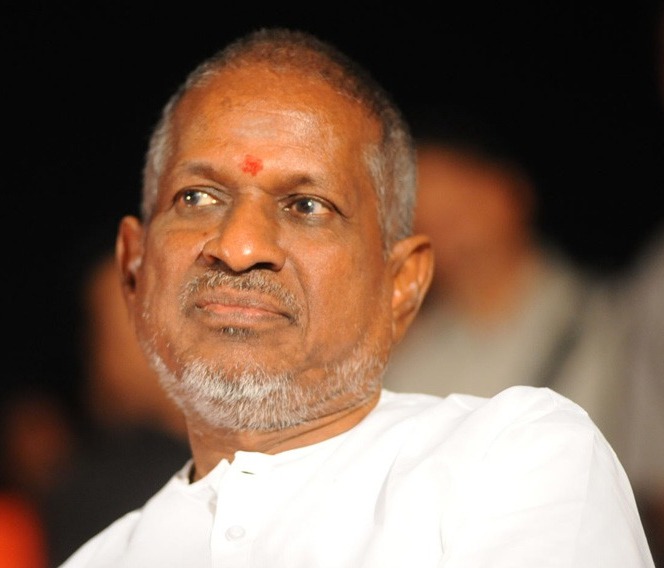
Delhi HC: Ilaiyaraaja Has No Copyright Over Lyrics or Sound Recording of Song
Composer’s Rights Limited to Musical Score, Not Entire Work
Court Reaffirms Distinction Between Authors, Lyricists, and Producers
By Legal Reporter
New Delhi: May 22, 2026:
The Delhi High Court has ruled that music composer Ilaiyaraaja does not hold copyright over the lyrics or sound recording of the Tamil song “En Iniya Pon Nilave”. The Court clarified that while a composer retains rights over the musical score, the copyright in lyrics belongs to the lyricist and the copyright in sound recordings rests with the producer or recording company.
The Supreme Court’s landmark ruling in Bharpur Singh and Others vs Shamsher Singh is widely cited for its detailed discussion on proof of wills, suspicious circumstances, and the evidentiary burden placed on beneficiaries in testamentary disputes. The judgment provides crucial guidance on attestation requirements, credibility of witnesses, and judicial scrutiny of wills, making it highly relevant for readers researching probate law, succession disputes, and validity of testamentary documents under Indian law.
Background of the Case
The dispute arose over the song “En Iniya Pon Nilave” from the Tamil film Moodupani (1980). Ilaiyaraaja, the celebrated composer, claimed copyright over the entire work, including lyrics and sound recording. The Delhi High Court rejected this claim, ruling that copyright law distinguishes between different components of a song and assigns rights accordingly.
Key Legal Framework
- Copyright Act, 1957
- Section 2(d): Defines “author” differently for literary, musical, and artistic works.
- Section 13: Grants copyright protection to literary works (lyrics), musical works (composition), and sound recordings.
- Section 17: Establishes that the author of a work is the first owner of copyright, subject to contracts of employment or assignment.
- Section 14: Explains exclusive rights of copyright owners, including reproduction, adaptation, and communication to the public.
- Musical Work vs. Sound Recording
- Musical Work: Refers to the composition (melody, notation) created by the composer.
- Lyrics: Treated as a literary work, with copyright vested in the lyricist.
- Sound Recording: Copyright belongs to the producer or recording company that finances and publishes the recording.
- Judicial Precedents
- Indian Performing Right Society v. Eastern Indian Motion Pictures Association (1977): Supreme Court held that producers of films hold copyright in sound recordings, not composers.
- Tips Industries v. Wynk Music (2019): Bombay High Court reaffirmed that sound recording copyright lies with producers, while composers and lyricists retain rights over their respective works.
Court’s Analysis
- The Court emphasized that Ilaiyaraaja’s copyright extends only to the musical score he composed.
- The lyrics belong to lyricist Panchu Arunachalam, and the sound recording belongs to the film producer.
- The Court rejected the argument that a composer automatically acquires rights over the entire song.
- It clarified that copyright law recognizes multiple authors for different components of a song, and each retains rights over their specific contribution.
Implications of the Judgment
- For Composers: Reinforces that their rights are limited to musical compositions, not lyrics or recordings.
- For Lyricists: Strengthens their claim as authors of literary works, ensuring recognition and royalties.
- For Producers: Confirms their ownership of sound recordings, critical for film and music industry contracts.
- For the Industry: Highlights the importance of clear contractual arrangements between composers, lyricists, and producers to avoid disputes.
Critical Analysis
The ruling underscores the fragmented nature of copyright in music. While composers like Ilaiyaraaja enjoy moral and economic rights over their compositions, they cannot claim ownership of lyrics or recordings. This separation ensures fair recognition of all contributors but also complicates licensing and royalty structures. The judgment aligns with global copyright norms, where multiple stakeholders share rights in a single song.
FAQs for Quick Understanding
Q1: Who owns copyright in a song?
- Composer: Owns copyright in the musical score.
- Lyricist: Owns copyright in the lyrics.
- Producer/Recording Company: Owns copyright in the sound recording.
Q2: Can a composer claim rights over lyrics?
No. Lyrics are treated as literary works, and copyright belongs to the lyricist.
Q3: Is registration of copyright necessary?
No. Copyright arises automatically upon creation of the work, though registration helps in enforcement.
Q4: What precedent governs sound recording rights in India?
The Supreme Court in Indian Performing Right Society v. Eastern Indian Motion Pictures Association (1977) held that producers hold copyright in sound recordings.
Q5: How does this affect royalties?
Royalties must be shared among composers, lyricists, and producers depending on the use of musical work, lyrics, or sound recording.
In summary: The Delhi High Court reaffirmed that copyright in music is divided among composers, lyricists, and producers. Ilaiyaraaja retains rights over his musical composition but not over the lyrics or sound recording of “En Iniya Pon Nilave”. This ruling strengthens the principle of shared authorship and emphasizes the need for clear contracts in the music industry.