
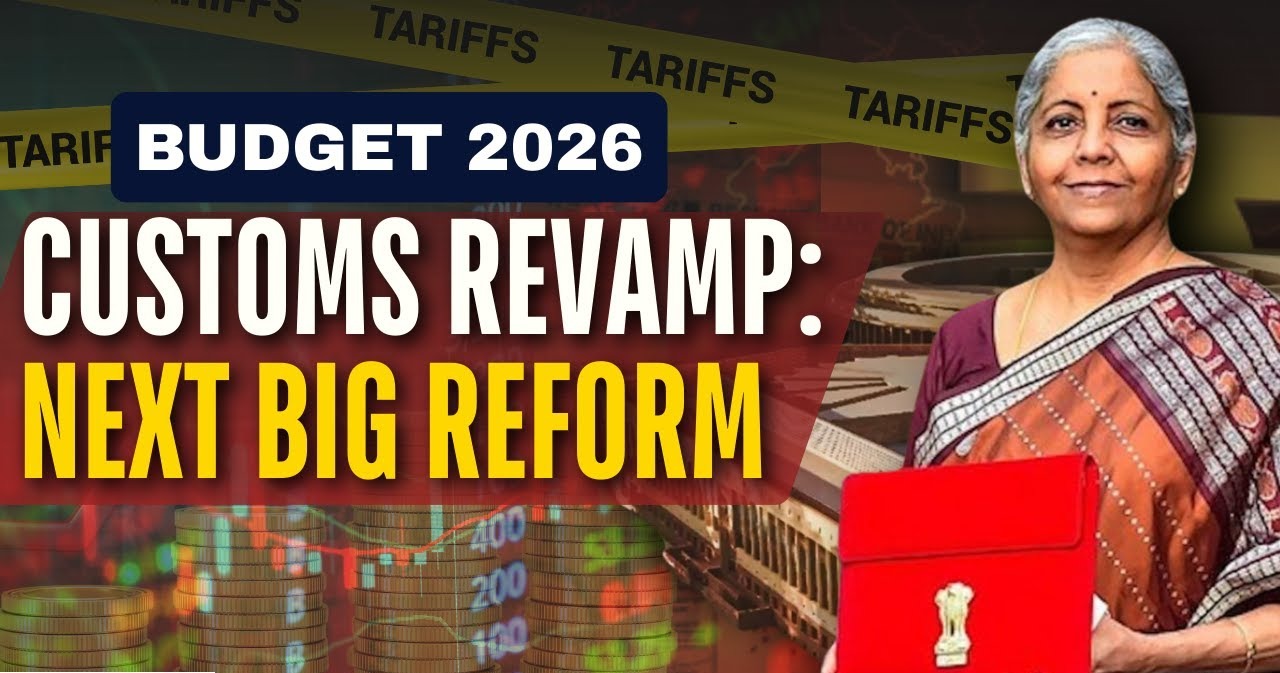
COURTKUTCHEHRY SPECIAL ON #BUDGET2026 CUSTOM & EXCISE TAXES RELIFE
Budget 2026 Customs & Excise Reforms: Tariff Simplification, Green Energy Boost, Consumer Relief
Duty Cuts to Support Manufacturing, Exports, and Healthcare
New Baggage Rules and Excise Tweaks to Aid Consumers and Green Transition
By Our Business Reporter
New Delhi: February 02, 2026:
The Union Budget 2026–27 has proposed major changes in Customs and Central Excise laws, marking one of the most comprehensive overhauls in recent years. Finance Minister Nirmala Sitharaman announced that the reforms are designed to rationalise tariffs, reduce disputes, and promote ease of living. By absorbing multiple exemptions directly into the Customs Tariff, the government aims to simplify the structure without altering effective duty rates.
Also Read: Lower TDS Certificates Go Digital: Relief for Small Taxpayers
These changes will impact a wide range of sectors including energy, aviation, defence, seafood exports, leather, textiles, consumer electronics, pharmaceuticals, and MSMEs, while also providing relief to ordinary consumers through reduced duties on personal imports.
Key Customs Changes
- Tariff Rationalisation: Exemptions and concessional rates now integrated into the Customs Tariff from May 1, 2026, reducing confusion and litigation.
- Green Energy Push:
- Duty exemptions for capital goods used in lithium-ion battery and energy storage manufacturing.
- Duty-free imports for nuclear power projects extended till 2035.
- Biogas value excluded from excise duty on blended CNG, encouraging renewable fuels.
- Aviation & Defence: Duty exemptions on aircraft components and raw materials for defence MRO units, boosting domestic aerospace manufacturing.
- Seafood Exports: Duty-free input limit raised from 1% to 3% of export value, improving competitiveness. Fish caught in high seas by Indian vessels treated as exports.
- Leather & Textiles: Duty-free imports extended to shoe uppers; export period for garments and footwear increased from 6 months to 1 year.
- Consumer Electronics: Duty exemptions on parts for microwave ovens, supporting local manufacturing.
- Healthcare: Duty-free imports for 17 critical cancer drugs and medicines for rare diseases, reducing treatment costs.
- Personal Imports: Tariff rate on personal-use goods reduced from 20% to 10%; new Baggage Rules 2026 simplify allowances for travellers.
- Critical Minerals: Duty rationalisation on graphite, lithium, cobalt, rare-earth metals, and phosphoric acid, supporting electronics and battery industries.
- Trade Facilitation:
- Customs Integrated System (CIS) to digitise processes.
- AI-based scanning at ports for faster clearance.
- Single-window clearance for food, drugs, and plant products.
Also Read: Delhi High Court Restores Right to File Execution Petitions Below ₹2 Crore
(Note for Readers)
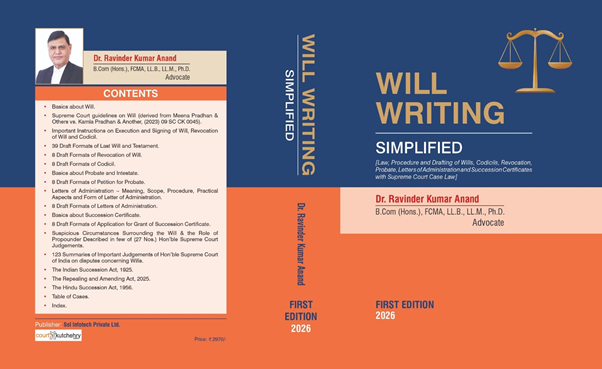
If you want practical guidance on drafting wills, codicils, and probate procedures, Will Writing Simplified is an invaluable resource. PURCHASE FROM HERE: Amazon 🔹 Flipkart.
Key Excise Changes
- Tobacco Products: Higher National Calamity Contingent Duty (NCCD) on chewing tobacco and scented tobacco.
- Green Fuels: Biogas in blended CNG exempted from excise duty; additional duty on unblended diesel deferred till March 2028.
Likely Impact of the Reforms
Also Read: India–US Trade Deal: Tariff Cut to 18% Boosts Indian Exports
- Manufacturing Boost: Lower duties on inputs will reduce costs for industries like renewable energy, aerospace, textiles, and consumer electronics.
- Export Competitiveness: Seafood, leather, and textile exporters will benefit from extended duty-free facilities and longer export timelines.
- Healthcare Relief: Patients will see reduced costs for life-saving drugs and treatments.
- Consumer Benefits: Lower tariffs on personal imports and simplified baggage rules will directly help travellers and households.
- Green Transition: Incentives for biogas, CNG, and renewable energy components will accelerate India’s shift towards sustainable fuels.
- Ease of Doing Business: Digital customs systems and AI-based scanning will cut delays and reduce corruption.
- Revenue Neutrality: While exemptions are rationalised, effective duty rates remain unchanged, ensuring government revenue stability.
Conclusion
The Budget 2026 Customs and Excise reforms represent a balanced approach—simplifying tariffs, supporting industry, and providing relief to consumers, while reinforcing India’s green energy and export ambitions. By aligning duty structures with long-term goals, the government has set the stage for sustainable growth and global competitiveness.
Also Read: Gen Naravane’s Memoir Sparks Debate on Rules for Retired Officers
Keywords for Faster Searches
- Budget 2026 Customs duty changes India
- Central Excise reforms Budget 2026
- Tariff rationalisation India Budget 2026
- Green energy customs duty exemption
- Personal imports baggage rules 2026
- Cancer drugs duty-free Budget 2026
- MSME customs duty relief India
Also Read: Supreme Court Warns High Courts: End Delays in Delivering Judgments