
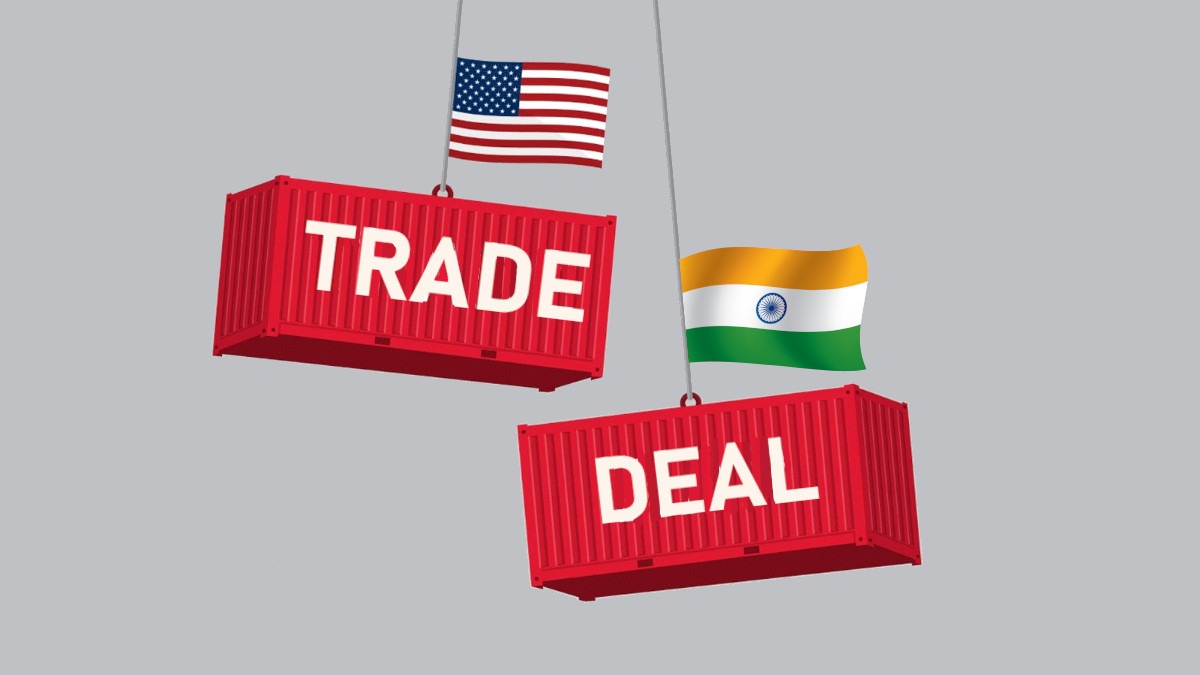
COURTKUTCHEHRY SPECIAL ON INDO-US TARIFF DEAL IMPACT
India–US Trade Deal: Tariff Cut to 18% Boosts Indian Exports
Trump’s Announcement Eases Pressure on Indian Goods in US Market
Lower Duties Expected to Strengthen India’s Position Against Asian Rivals
By Our Business Reporter
New Delhi: February 03, 2026:
After months of tense negotiations, India and the United States have finalized a trade deal that slashes tariffs on Indian goods entering the US market to 18%. This marks a significant relief from the earlier 25% tariff plus an additional 25% punitive levy linked to India’s purchases of Russian crude oil and defence equipment. The deal was announced following a phone call between US President Donald Trump and Prime Minister Narendra Modi.
(Related Legal Resource)
- Legal professionals and students alike will benefit from Will Writing Simplified, which covers procedure and case law in detail. BUY: Amazon 📘 Buy "Will Writing Simplified" online: 🔹 Flipkart

What Are Tariffs?
Also Read: Budget 2026: Interest Deduction on Dividend Income Withdrawn, Self-Funded Investors Stand to Benefit
- Definition: Tariffs are taxes imposed on imported goods by a country.
- Purpose: They protect domestic industries, raise government revenue, and can be used as a political tool in trade disputes.
- Impact: Higher tariffs make foreign goods more expensive, reducing competitiveness. Lower tariffs make imports cheaper, boosting trade volumes.
Why Tariff Reduction Matters
- Boost to Indian exports: With tariffs cut to 18%, Indian products such as textiles, pharmaceuticals, IT hardware, and auto components will be more affordable in the US market.
- Competitive advantage: India gains an edge over countries like China, Bangladesh, and Vietnam, whose exports face higher duties.
- Market expansion: Lower tariffs encourage US buyers to source more from India, potentially increasing export volumes by billions of dollars.
- Sectoral impact: Industries like steel, chemicals, and consumer goods are expected to benefit the most.
The Russian Oil Angle
Also Read: Budget 2026: Tax Holiday for Foreign Firms Using Indian Data Centres, Investment Boom Expected
- Earlier punitive levy: India faced an extra 25% tariff because of its continued imports of Russian crude oil.
- New deal: Trump claims India has agreed to reduce or halt Russian oil imports, though New Delhi has only confirmed the tariff relief portion.
- Energy shift: The US expects India to diversify toward American and Venezuelan oil supplies.
Economic Implications
- Trade balance: India’s exports to the US could rise sharply, improving the bilateral trade balance.
- Job creation: Export-driven industries in India may see new employment opportunities.
- Global positioning: India strengthens its role as a reliable trade partner amid shifting global supply chains.
Risks and Challenges
- Conditionality: US claims about India halting Russian oil imports remain politically sensitive.
- Domestic industries: India must ensure that reciprocal tariff reductions do not hurt local manufacturers.
- Geopolitical balancing: India will need to balance ties with Russia while deepening trade with the US.
In summary
Also Read: ITAT Delhi Restricts Profit Estimate in Milk Trading Case to 5%, Rejects Arbitrary 20% Addition
In summary, the tariff reduction to 18% is a gamechanger for Indian exporters. It lowers costs, boosts competitiveness, and opens new opportunities in the US market, while also reshaping India’s geopolitical and energy strategies.
Keywords for SEO & Faster Searches
- India US trade deal tariff cut
- Trump 18% tariff relief India
- Indian exports to US 2026
- Russian oil trade deal India
- Tariff reduction benefits India
- India US economic relations
Also Read: Budget 2026 Customs & Excise Reforms: Tariff Simplification, Green Energy Boost, Consumer Relief