
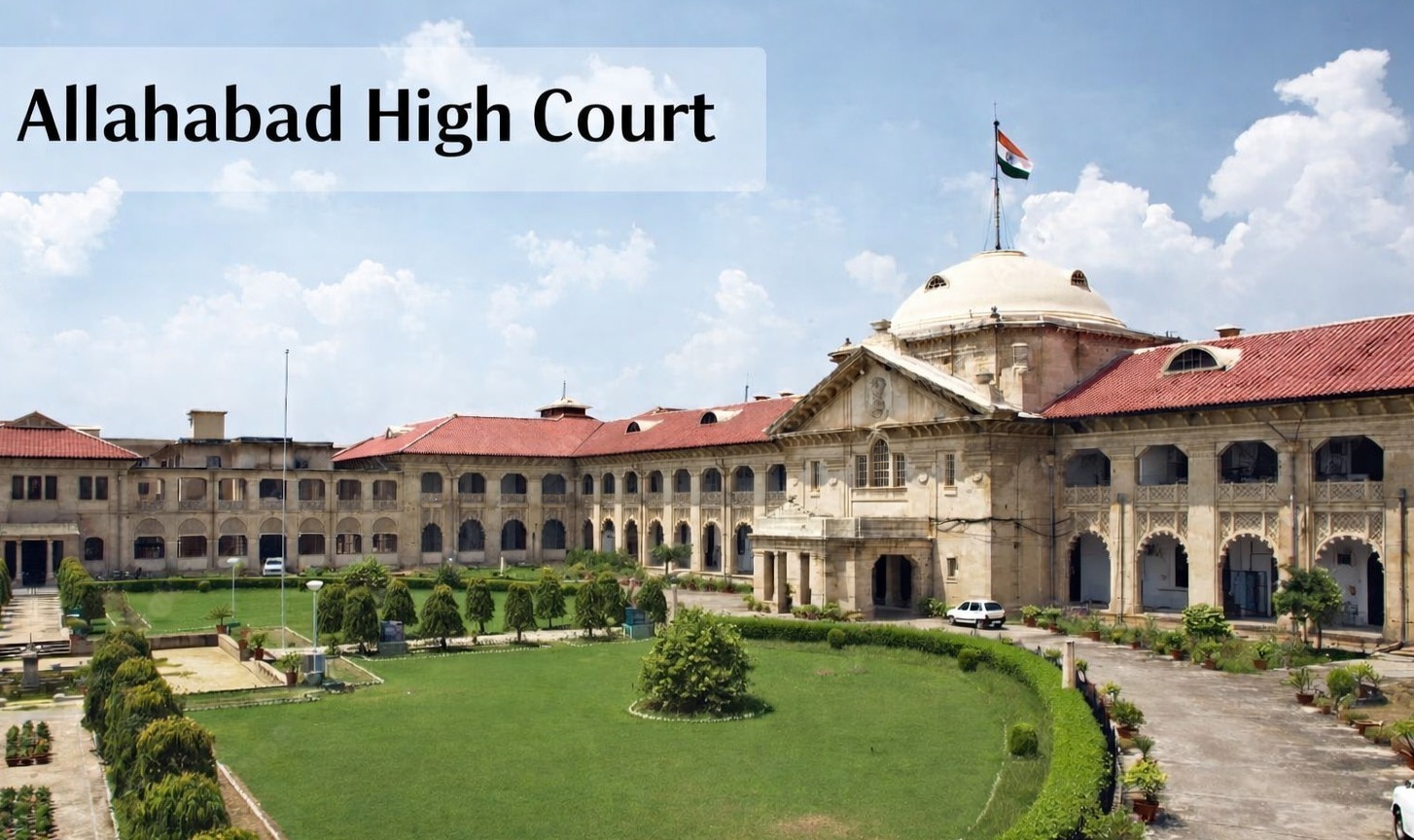
Allahabad HC: Revisional Courts Cannot Alter Maintenance Amounts
Remedy lies under Section 146 BNSS / Section 127 CrPC
Revisional jurisdiction limited to correcting illegality, not reassessing evidence
By Our Legal Correspondent
New Delhi: May 20, 2026:
The Allahabad High Court has ruled that revisional jurisdiction cannot be used to directly increase or reduce maintenance amounts; instead, parties must seek modification under Section 146 BNSS (equivalent to Section 127 CrPC) before the trial court. This decision reinforces the supervisory nature of revision powers and clarifies the proper legal route for maintenance enhancement.
Readers examining succession disputes, family property litigation, and evidentiary standards in inheritance matters should also study the Supreme Court judgment in Arjan Singh and Others Vs Hazara Singh . This important ruling discusses the judicial principles applied while determining competing inheritance claims and highlights the significance of documentary evidence, conduct of parties, and lawful succession rights under Indian property and personal laws.
Key Legal Analysis
1. Revisional Jurisdiction – Scope and Limits
- Revisional power is supervisory, not appellate.
- The High Court can only correct illegality, impropriety, or jurisdictional errors.
- It cannot re-appreciate evidence or substitute factual findings of the trial court.
2. Section 125 CrPC – Maintenance Provision
- Provides a quick remedy for wives, children, and parents unable to maintain themselves.
- In this case, the wife sought enhancement of maintenance from ₹2,500 to ₹30,000 per month.
3. Section 127 CrPC & Section 146 BNSS – Alteration of Maintenance
- Section 127 CrPC (now mirrored in Section 146 BNSS) allows modification of maintenance orders if circumstances change (e.g., increase in income, inflation, new needs).
- Such applications must be filed before the same court that passed the original order, not in revision before the High Court.
4. Court’s Observations
- Enhancement requires fresh evidence (income proof, inflation, dependents’ needs).
- Revisional courts lack the power to conduct this evidentiary exercise.
- Remedy lies in filing an alteration petition under Section 127 CrPC / Section 146 BNSS before the trial court.
5. Case Context
- Case Title: Huda Khanam vs. State of U.P. and Another
- Wife alleged harassment, dowry demands, and triple talaq.
- Husband claimed divorce under Sharia law and argued limited income.
- High Court dismissed revision, directing wife to approach trial court for enhancement.
Comparative Table: Revisional Jurisdiction vs. Alteration Petition
|
Aspect |
Revisional Jurisdiction |
Alteration Petition (Sec. 127 CrPC / Sec. 146 BNSS) |
|
Purpose |
Supervisory check on legality |
Modification based on changed circumstances |
|
Evidence |
No fresh evidence allowed |
Fresh evidence admissible |
|
Court |
High Court / Sessions Court |
Trial Court (Family Court / Magistrate) |
|
Relief Possible |
Quash, remit, or set aside |
Increase, reduce, or cancel maintenance |
|
Nature |
Corrective |
Substantive |
FAQs for Easy Understanding
Q1: Can the High Court increase maintenance in revision?
No. The High Court cannot directly increase or reduce maintenance in revision. It can only correct errors of law or jurisdiction.
Q2: What is the correct remedy if circumstances change?
File an alteration petition under Section 127 CrPC / Section 146 BNSS before the trial court that passed the original order.
Q3: What counts as “changed circumstances”?
- Increase in husband’s income
- Inflation or rise in living costs
- New needs of dependents (education, medical expenses)
- Loss of income by the dependent spouse
Q4: What happens if the trial court rejects enhancement?
The order can then be challenged in revision or appeal, but only on grounds of illegality or jurisdictional error—not to reassess evidence.
Q5: Why is revisional jurisdiction limited?
Because it is meant to supervise legality, not to function as a second appeal. Allowing enhancement in revision would blur the distinction between appellate and revisional powers.
Conclusion
The Allahabad High Court’s ruling underscores a critical procedural distinction: maintenance enhancement must be sought through alteration petitions under Section 127 CrPC / Section 146 BNSS, not through revision. This ensures that factual determinations are made by the trial court with proper evidence, while revisional courts remain confined to correcting legal errors.
This judgment provides clarity for litigants and practitioners, reinforcing the structured hierarchy of remedies in maintenance disputes.