
COURTKUTCHEHRY SPECIAL SERIES ON LANDMARKS JUDGEMENTS ON WILLS, CODICIL & PROBATE
Ramabai Padmakar Patil (Dead) through LRs & Ors v. Rukminibai Vishnu Vekhande & Ors — Supreme Court Upholds Will but Limits Extent
Widowed Daughter’s Right Recognized by Compassionate Bequest
Court Clarifies Mother’s Limited Share Under Hindu Succession Act
By Vishwas Kumar
New Delhi: March 26, 2026:
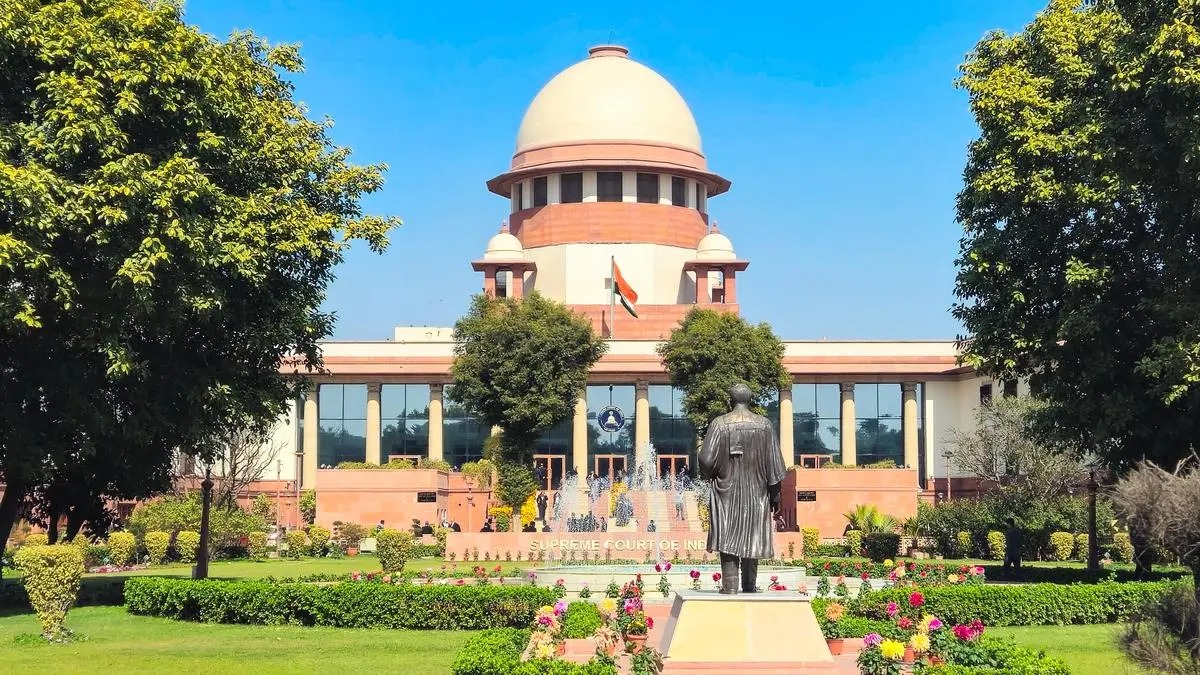
In a significant ruling, the Supreme Court of India in Ramabai Padmakar Patil (Dead) through LRs & Ors v. Rukminibai Vishnu Vekhande & Ors (Civil Appeal No. 15697 of 1996, decided on 14 August 2003) addressed the contentious issue of inheritance rights under a disputed Will. The Division Bench comprising Hon’ble Justice Y.K. Sabharwal and Hon’ble Justice G.P. Mathur examined whether a widowed daughter could inherit her mother’s entire property through a Will that excluded six other daughters.
complete collection of Supreme Court will judgments in India of Ramabai Padmakar Patil Case
The dispute arose when the mother executed a Will favouring her widowed daughter, excluding her six sisters. The appellants challenged the validity of the Will, alleging unfair exclusion. The Court, however, upheld the Will as genuine and natural, emphasizing that compassion toward a dependent widowed daughter was a reasonable and justifiable ground for such a bequest. The Bench observed that the mother’s decision reflected a natural inclination to secure the future of her vulnerable child.
However, the Court clarified that the mother’s ownership was restricted. Under the Hindu Succession Act, she held only a limited 1/8th share in the property. Consequently, while the Will was valid, it could operate only to the extent of her lawful share. The widowed daughter thus inherited solely that portion, not the entire estate.
This judgment underscores two critical principles: first, the recognition of compassionate considerations in testamentary dispositions, and second, the statutory limitations imposed by succession laws. It balances human empathy with legal boundaries, ensuring fairness to all heirs while respecting the mother’s intent.
For More, Read Here the Summary of the Judgement from the Book: WILL WRITING SIMPLIFIED, read below or open page no 436, Chapter 14.1 in the book. (Online book purchase link available here on: Buy online: Amazon | Flipkart
|
|
Case Summary |
: |
Ramabai Padmakar Patil (Dead) through LRs & Ors v. Rukminibai Vishnu Vekhande & Ors. |
|
|
Court |
: |
Supreme Court of India |
|
|
Citations |
: |
(2003) 08 SC CK 0086: Civil Appeal No. 15697 of 1996. |
|
|
Link |
: |
|
|
|
Decided on |
: |
14 August 2003 |
|
|
Coram |
: |
Hon’ble Mr. Justice Y.K. Sabharwal and Hon’ble Mr. Justice G.P. Mathur. (Division Bench) |
|
|
Relevant Paragraphs |
: |
Para Nos. 2–11 |
1. Facts of the Case:
The appellant-plaintiff, Ramabai, claimed exclusive ownership of her mother Yamunabai’s property on the basis of a registered Will dated 5.4.1976. The property originally belonged to her father Madhav and was inherited by Yamunabai after his death. Yamunabai had seven daughters and no son. She executed the Will bequeathing her entire property to Ramabai, her widowed daughter who had been living with and caring for her. The other daughters contested the Will, asserting the property was ancestral and that Yamunabai had no authority to bequeath it exclusively. The Trial Court upheld the Will; the District Judge reversed it; and the High Court affirmed the reversal.
2. Law Points Involved:
(i). Proof of Will under Section 63, Indian Succession Act, 1925.
(ii). Requirement of attesting witness under Section 68, Indian Evidence Act, 1872.
(iii). Assessment of suspicious circumstances surrounding execution and exclusion of heirs.
(iv). Determination of extent of testatrix’s ownership under Hindu Succession Act, 1956.
3. Acts / Provisions / Articles Referred:
(i). Section 63, Succession Act, 1925
(ii). Section 68, Evidence Act, 1872
(iii). Hindu Succession Act, 1956
4. Judgments Referred:
(i). Rabindra Nath Mukherjee v. Panchanan Banerjee, (1995) 05 SC CK 0055.
(ii). P.P.K. Gopalan Nambiar v. P.P.K. Balakrishnan Nambiar, (1995) 03 SC CK 0039.
(iii). Pushpavathi v. Chandraraja Kadamba, (1972) 08 SC CK 0044.
(iv). Shashi Kumar Banerjee v. Subodh Kumar Banerjee, (1963) 09 SC CK 0012.
(v). Rani Purnima Debi v. Kumar Khagendra Narayan Deb, (1961) 08 SC CK 0021.
(vi). H. Venkatachala Iyengar v. B.N. Thimmajamma (1958) 11 SC CK 0008;
5. Obiter Dicta:
Exclusion of certain heirs in itself does not create suspicion. A Will is executed precisely to depart from normal succession. Suspicion must be “real, germane and valid,” not fanciful. Proof by one attesting witness is legally sufficient.
6. Ratio Decidendi:
The testatrix’s conduct in bequeathing her property solely to a widowed daughter who had lived with and cared for her was natural and not suspicious. Non-examination of the typist or advocate present during registration did not invalidate the Will when one attesting witness proved execution as per Sections 63 and 68. The Will was genuine and valid, but it could operate only to the extent of the testatrix’s 1/8th share, since she was not the sole owner of the entire estate under the Hindu Succession Act.
7. Final Ruling:
Appeal allowed in part. Judgments of the District Judge and High Court set aside. Trial Court decree restored with modification: plaintiff entitled to her own share plus 1/8th share bequeathed by her mother under the Will. No order as to costs.
8. Gist (Dispute & Final Decision):
Dispute centered on whether a widowed daughter could inherit her mother’s entire property through a Will that excluded six sisters. The Supreme Court upheld the Will as genuine and natural, emphasizing that compassion toward a dependent widowed daughter justified the bequest. However, as the mother held only a limited 1/8th share under the Hindu Succession Act, the Will operated only to that extent.
Read full Judgement Here:
Ramabai Padmakar Patil (Dead) through LRs & Ors v. Rukminibai Vishnu Vekhande & Ors.
Supreme Court of India
(2003) 08 SC CK 0086: Civil Appeal No. 15697 of 1996.
You Can Also Purchase the Book from here on: Buy online: Amazon | Flipkart
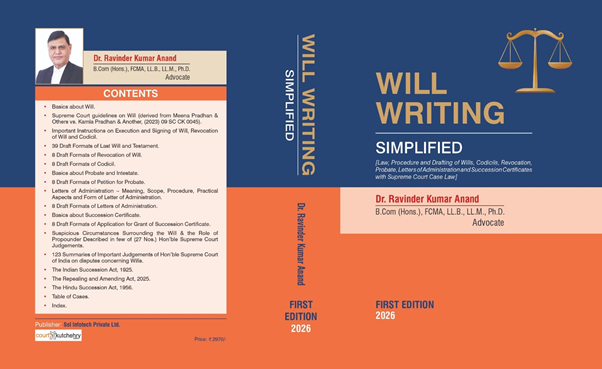
OUR RECOMMENDATION: Check out 123 Key Judgements, as highlighted in the book, WILL WRITING SIMPLIFIED, for the quick research and reference purposes. Click the link here: https://www.courtkutchehry.com/pages/blog/123-supreme-court-judgments-on-wills/
Keywords for SEO & Faster Searches
- Ramabai Padmakar Patil case 2003
- Supreme Court inheritance widowed daughter
- Hindu Succession Act property rights
- Rukminibai Vishnu Vekhande judgment
- Will validity Supreme Court India
- Justice Y.K. Sabharwal G.P. Mathur ruling
- Civil Appeal No. 15697 of 1996 inheritance dispute