
Wrong Age, Wrong Horoscope, Wrong Marriage
Telangana High Court’s Landmark Divorce Ruling
Fraudulent Age Misrepresentation Shakes Legal Foundations of Matrimony
By Our Legal Correspondent
The Telangana High Court recently ruled that misrepresentation of age on a matrimonial profile, which led to a false horoscope match, amounts to fraud under the Hindu Marriage Act. This landmark judgment clarifies that while horoscope mismatch alone does not invalidate a marriage, fraud in essential particulars like age can justify annulment or divorce.
Marriage in India is not merely a personal union, but a social contract deeply influenced by cultural traditions, including horoscope matching. The Telangana High Court’s recent decision in X v. Y (2026) highlights how fraudulent misrepresentation of age on matrimonial websites can undermine the very foundation of marital consent. This case has sparked debate on the intersection of personal belief systems, statutory law, and digital matrimonial practices.
Case Background
Parties met via matrimonial website: Husband claimed his date of birth was 9 February 1981.
Actual date of birth: 9 February 1974, making him seven years older.
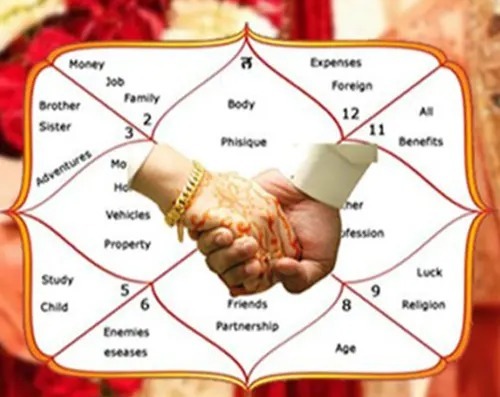
Horoscope matching: Conducted using false details, leading the wife’s orthodox family to approve the marriage.
Marriage solemnised: 24 August 2018.
Discovery of fraud: During marriage registration, wife found discrepancy in official records.
Legal Issues Raised
Fraudulent Misrepresentation
Section 12(1)(c) of the Hindu Marriage Act, 1955: A marriage is voidable if consent was obtained by fraud concerning material facts.
Court held that age misrepresentation directly impacted horoscope compatibility, a material factor for the wife’s consent.
Horoscope Mismatch Alone Not Grounds
The Court clarified that mere horoscope mismatch cannot annul a marriage.
However, when mismatch arises due to fraudulent disclosure of age, it constitutes valid grounds.
Irretrievable Breakdown of Marriage
Both parties expressed unwillingness to continue.
Pending criminal and domestic violence cases reinforced the breakdown.
Court dissolved marriage, setting aside Family Court’s earlier dismissal.
Key Legal Principles
Consent must be free and informed: Fraud vitiates consent.
Material fact test: Age and horoscope details were material to the wife’s decision.
Judicial balancing: Courts respect personal beliefs (like astrology) when they materially influence consent.
Precedent value: Strengthens jurisprudence on fraud in matrimonial contracts.
Wider Implications
Digital Matrimony Risks: Online platforms often lack verification mechanisms, increasing chances of misrepresentation.
Cultural Sensitivity: Courts acknowledge that in orthodox families, horoscope compatibility is a decisive factor.
Legal Awareness: Couples must understand that fraud in personal particulars can invalidate marriages.
Policy Considerations: Matrimonial websites may need stricter verification norms to prevent similar disputes.
Comparative Perspective
Indian Law: Section 12(1)(c) HMA provides annulment for fraud.
UK Law: Misrepresentation must relate to identity or essential qualities.
US Law: Fraud must go to the essence of marriage (e.g., concealment of impotence, criminal record).
Inference: Indian courts are more receptive to cultural factors like horoscope matching when tied to fraud.
Conclusion
The Telangana High Court’s ruling is a landmark in matrimonial jurisprudence, balancing statutory law with cultural realities. It underscores that fraudulent misrepresentation of age is not a trivial lie but a material deception capable of dissolving marriage. This case sets a precedent for future disputes arising from digital matrimonial platforms and highlights the need for stronger safeguards.
FAQs (Searchable Index Format)
1. Does horoscope mismatch alone invalidate a marriage?
No. The Court clarified that horoscope mismatch by itself is not a ground for annulment. Only when mismatch results from fraudulent misrepresentation can it justify divorce.
2. What section of law was applied in this case?
Section 12(1)(c) of the Hindu Marriage Act, 1955, which allows annulment if consent was obtained by fraud concerning material facts.
3. Is misrepresentation of age considered fraud?
Yes. Age is a material fact influencing consent, especially in communities where horoscope matching is decisive. Misrepresentation amounts to fraud.
4. What did the Family Court initially decide?
The Family Court dismissed the wife’s annulment plea, holding that horoscope mismatch was insufficient. The High Court later overturned this.
5. Did both parties agree to divorce?
Yes. During appeal, both parties filed affidavits expressing unwillingness to continue the marriage, reinforcing irretrievable breakdown.
6. What other cases were pending between the parties?
Criminal proceedings and a domestic violence case were pending, further evidencing breakdown of marital trust.
7. How does this case affect matrimonial websites?
It highlights the need for stricter verification of personal details to prevent fraud and protect users.
8. Can fraud in non-essential matters dissolve marriage?
No. Fraud must relate to material facts (age, identity, health, etc.) that directly influence consent.
9. What precedent does this case set?
It establishes that fraudulent misrepresentation of age leading to false horoscope match is sufficient ground for divorce under Indian law.