
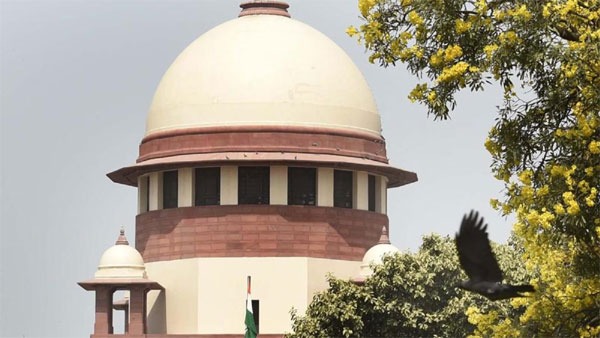
Supreme Court Stays Defamation Case Against Lawyer Over Mamata Banerjee Book Extracts
Court emphasizes free speech in political context
Case highlights tension between defamation law and expression rights
By Legal Reporter
New Delhi: March 14, 2026:
Also Read: Absence of Eyewitness Not Fatal: Supreme Court Upholds Convictions in Balkishan Murder Case
In a case that has drawn national attention, the Supreme Court of India has stayed defamation proceedings against advocate and BJP leader Koustav Bagchi, who was accused of defaming West Bengal Chief Minister Mamata Banerjee by posting extracts from a book that allegedly commented on her personal life. The Court’s order, delivered on March 13, 2026, reflects the judiciary’s cautious approach in balancing individual reputation with constitutional guarantees of free speech.
Background of the Case
- Bagchi had shared excerpts from a book on social media, which contained remarks about Mamata Banerjee’s private life.
- A defamation complaint was filed against him, and the Calcutta High Court had earlier dismissed his plea challenging summons in the case.
- Bagchi approached the Supreme Court through a Special Leave Petition (SLP), seeking relief.
- The bench of Justice B.V. Nagarathna and Justice Ujjal Bhuyan ordered status quo and issued notice to the West Bengal government.
[Recommended Research Resources]
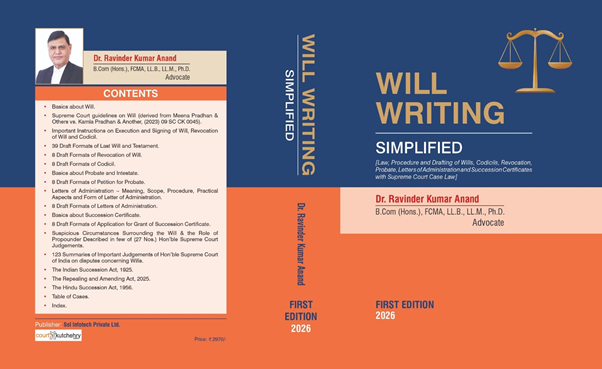
📘 Legal professionals, families and students alike will benefit from Will Writing Simplified, which covers procedure and case law in detail.
🔹 Buy on Amazon
🔹 Buy on Flipkart
Supreme Court’s Observations
- The Court noted that Bagchi had filed an undertaking to remove the Facebook post, signalling his willingness to mitigate controversy.
- By granting a stay, the Court effectively paused trial proceedings, ensuring that Bagchi would not face immediate criminal liability.
- The order reflects judicial sensitivity to the intersection of political speech and defamation law.
Also Read: Bhopal Gas Tragedy Legacy: High Court Orders Cleanup Plan for Union Carbide Site
Legal Significance
- Defamation Law in India: Under Sections 499 and 500 of the Indian Penal Code, defamation is both a civil and criminal offense.
- Free Speech Concerns: Article 19(1)(a) of the Constitution guarantees freedom of speech, but this right is subject to “reasonable restrictions,” including defamation.
- Judicial Balance: Courts often weigh whether political commentary, even if harsh, should be protected as free speech or punished as defamatory.
This case highlights how judicial discretion plays a crucial role in preventing misuse of defamation laws against political opponents.
Broader Implications
- For Politicians: The ruling may embolden political figures and activists to express views without fear of immediate criminal prosecution.
- For Lawyers and Media: It underscores the importance of responsible reporting and commentary, especially when dealing with personal aspects of public figures.
- For Citizens: The case reaffirms that courts can act as a safeguard against excessive use of defamation laws to silence dissent.
Conclusion
Also Read: Supreme Court Orders 30% Women Representation in Bar Association Committees
The Supreme Court’s stay order in the defamation case against Koustav Bagchi is not just about one lawyer or one political leader—it is about the larger principle of free speech in India’s democracy. As the case proceeds, it will likely set important precedents on how courts interpret defamation in the age of social media and political contestation.
Keywords for Faster Searches
Supreme Court defamation case India, Mamata Banerjee lawyer case, Koustav Bagchi defamation stay, free speech vs defamation India, Calcutta High Court defamation order, political speech legal rights India, Supreme Court stay defamation proceedings, Mamata Banerjee personal life controversy
Also Read: Supreme Court Slams Hospitals Over DAMA, Allows Passive Euthanasia