
Bhopal Gas Tragedy Legacy: High Court Orders Cleanup Plan for Union Carbide Site
State given five weeks to submit remediation strategy
Judges highlight urgent need to tackle toxic contamination
By Our Legal Correspondent
New Delhi: March 14, 2026:
Also Read: Medical Covers for Ultrasound & Laparoscopy Taxable Under GST: AAR Ruling
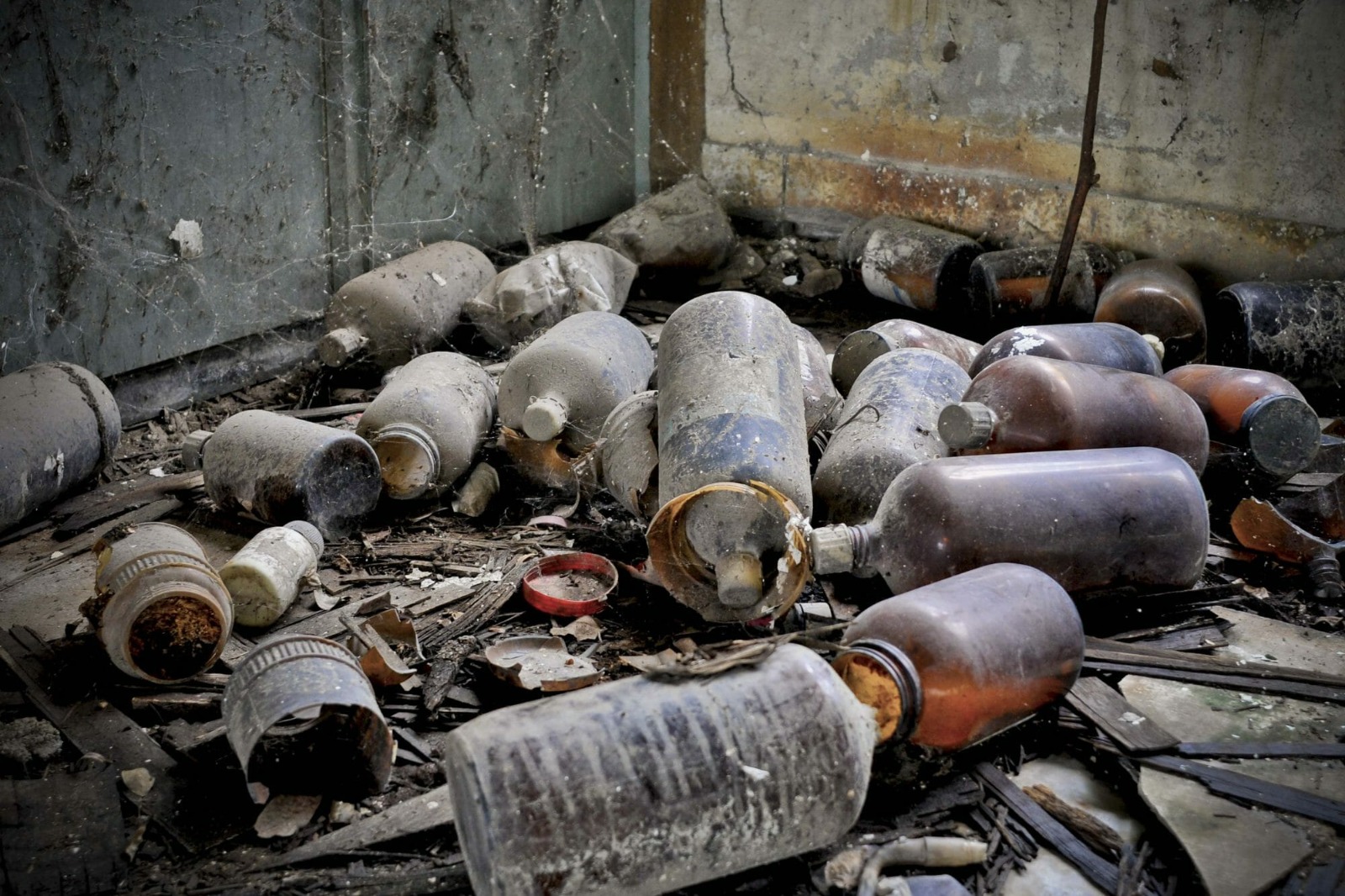
On March 13, 2026, the Madhya Pradesh High Court issued a directive to the state government, requiring submission of a comprehensive plan within five weeks to clean up the Union Carbide India Ltd. (UCIL) factory site in Bhopal. The site, abandoned after the 1984 gas leak disaster that killed thousands and injured lakhs, continues to pose environmental and health risks due to toxic waste left behind.
[Recommended Legal Resources]
📘 Legal professionals, families and students alike will benefit from Will Writing Simplified, which covers procedure and case law in detail.
🔹 Buy on Amazon
🔹 Buy on Flipkart
Also Read: Supreme Court Upholds Deletion of Section 14A Disallowance
Background of the Case
- The Bhopal gas tragedy remains the world’s worst industrial disaster, caused by a leak of methyl isocyanate gas.
- Decades later, toxic waste remains buried at the UCIL site, contaminating soil and groundwater.
- Activists and survivors have repeatedly petitioned courts for a cleanup, citing health hazards for nearby residents.
- The High Court’s latest order came after reviewing the state’s inadequate progress on remediation.
Court’s Observations
- The bench noted that no clear technical roadmap had been presented for remediation.
- Judges emphasized that contaminated soil and groundwater must be assessed and treated urgently.
- The Court directed the government to prepare a time-bound strategy for disposal of hazardous waste.
- Officials were asked to coordinate with environmental experts and agencies to ensure compliance.
Government’s Response
Also Read: ITAT Deletes Tax Addition Against Dalmia Family Trust: No Evidence Found
- The state government informed the Court that a meeting chaired by Additional Chief Secretary Ashok Barnwal was held on March 3 to discuss remediation.
- The first batch of 10 tonnes of waste has already been disposed of at a facility in Pithampur, Dhar district.
- Authorities assured the Court that further steps would be taken to address contamination.
Why This Matters
- Public Health: Residents near the site continue to face risks from polluted groundwater.
- Environmental Justice: Survivors argue that decades of delay amount to denial of justice.
- Legal Accountability: The Court’s directive places responsibility squarely on the state government.
- Global Significance: The case highlights challenges in holding corporations accountable for industrial disasters.
Broader Implications
- For Survivors: Cleanup could reduce long-term health risks and restore dignity to affected communities.
- For Policy Makers: Reinforces the need for stricter industrial safety and environmental laws.
- For Judiciary: Demonstrates proactive judicial intervention in environmental governance.
- For Industry: Serves as a warning to corporations about the consequences of negligence.
Also Read: Gujarat High Court Warns Against Blind Use of AI Citations in Adjudication Orders
Conclusion
The Madhya Pradesh High Court’s order is a critical step toward addressing the unfinished legacy of the Bhopal gas tragedy. By mandating a cleanup plan within five weeks, the Court has reignited focus on environmental justice and public health. The coming months will determine whether the state government can finally deliver on decades-old promises to remediate one of India’s most toxic industrial sites.
Keywords for Faster Searches
Bhopal gas tragedy cleanup, Madhya Pradesh High Court Union Carbide site, toxic waste remediation Bhopal, groundwater contamination Bhopal disaster, UCIL factory cleanup plan, environmental justice India, industrial disaster legacy India, Bhopal site remediation order
Also Read: Extended Stay of Indians Returning from West Asia May Trigger Tax Issues