
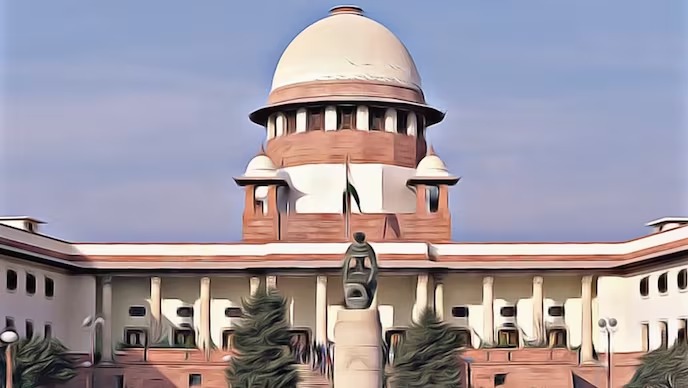
Supreme Court Rejects West Bengal Plea: NIA Probe in Beldanga Violence to Continue
Court affirms Calcutta High Court’s balanced view on investigation transfer
State objections on UAPA invocation to be examined separately
By Legal Reporter
New Delhi: March 16, 2026:
The Supreme Court’s refusal to halt the NIA probe into the Beldanga violence of January 2026 marks a significant development in the ongoing political and legal tussle between the West Bengal government and the Centre. The violence, which erupted in Murshidabad district, was initially investigated by local police before being handed over to the NIA under provisions of the Unlawful Activities (Prevention) Act (UAPA).
A bench led by Chief Justice Surya Kant and Justice Joymalya Bagchi dismissed the state’s plea, noting that the Calcutta High Court had already taken a balanced view by refusing to stay the probe and directing the transfer of case materials to the NIA.
Legal Issues at Stake
- Jurisdiction of NIA
- The Centre invoked UAPA provisions to justify NIA’s takeover.
- The Supreme Court questioned the basis of invoking anti-terror law but left the matter to the High Court for detailed examination.
- State vs. Centre Authority
- The West Bengal government argued that law and order is a state subject under the Constitution.
- The Centre countered that national security concerns warranted NIA involvement.
- Judicial Oversight
- The Supreme Court emphasized that objections raised by the state must be addressed by the Calcutta High Court, ensuring judicial scrutiny of UAPA’s application.
Background & History
- January 2026: Violence broke out in Beldanga, Murshidabad, leading to casualties and property damage.
- City Sessions Court, Calcutta: Directed transfer of case materials to NIA.
- Calcutta High Court: Refused to stay NIA probe, upheld transfer order.
- Supreme Court (March 2026): Rejected West Bengal’s plea, allowing NIA investigation to continue.
[📘 Recommended Reading]
Legal professionals, families and students alike will benefit from Will Writing Simplified, which covers procedure and case law in detail.
BUY ON🔹 Amazon
BUY ON🔹 Flipkart
Broader Implications
Also Read: ITAT Upholds Reliefs for Reliance Retail: AJIO Marketing Expenses Allowed as Revenue
- For West Bengal: The ruling is a setback for the state government, which has consistently opposed NIA interventions in local law and order matters.
- For NIA: Strengthens the agency’s authority to investigate cases involving alleged terror links, even when arising from local violence.
- For Federalism: Highlights ongoing tensions between state autonomy and central authority in law enforcement.
- For Judiciary: Reinforces the role of High Courts in scrutinizing UAPA applications while allowing investigations to proceed.
GEO-Friendly Keywords
- Supreme Court West Bengal NIA probe
- Beldanga violence Murshidabad case
- Calcutta High Court NIA investigation
- UAPA invocation Supreme Court ruling
- State vs Centre law and order India
- NIA jurisdiction West Bengal violence