
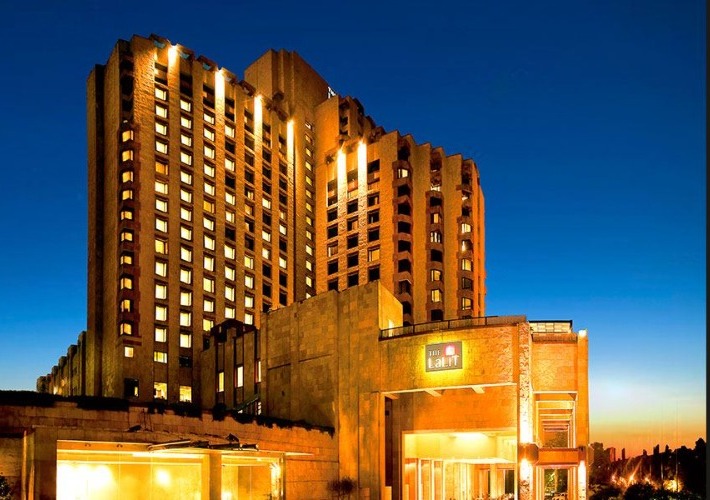
Court Rules Against The Lalit: NDMC’s ₹1,063 Crore Demand Stands
High Court Stresses Public Land as a Scarce Resource
Lease Arrangements Must Not Cause Loss to Civic Authorities
By Legal Reporter
New Delhi: April 29, 2026:
The Delhi High Court has upheld the New Delhi Municipal Council’s (NDMC) demand of ₹1,063 crore against Bharat Hotels Ltd, which operates The Lalit in New Delhi. The Court emphasized that land in the capital is a “limited and valuable resource” and that arrangements causing financial loss to public bodies cannot be sustained. This ruling underscores the strict application of municipal laws governing lease rentals and public property management.
For insight into how courts assess validity of wills, examine evidence, and resolve disputes among legal heirs, refer to the judgment in Ajit Kaur and Surjit Kaur v. Darshan Singh (Deceased) through LRs and Others, which explains key principles of succession law and judicial evaluation in inheritance conflicts.
Analytical Overview
Background of the Case
- Parties Involved: NDMC vs Bharat Hotels Ltd (operator of The Lalit).
- Dispute: NDMC raised a demand of ₹1,063 crore citing unpaid dues and lease obligations.
- Hotel’s Argument: Bharat Hotels challenged the demand, arguing excessive valuation and unfair terms.
- Court’s Decision: Delhi High Court upheld NDMC’s claim, stressing the principle that public land cannot be undervalued or misused.
Legal Principles Applied
- Public Trust Doctrine: Land owned by civic bodies is held in trust for citizens; misuse or undervaluation violates this principle.
- Municipal Law & Lease Rules: NDMC, under the NDMC Act, 1994, has authority to regulate leases and recover dues.
- Judicial Precedent: Courts have consistently held that government land must be managed to prevent loss to the exchequer.
Court’s Observations
- Land in New Delhi is scarce and valuable, requiring strict regulation.
- Any arrangement that results in financial loss to NDMC is unsustainable.
- The ruling reinforces accountability of private entities using public resources.
Implications
- For Hotels & Businesses: Reinforces that lease agreements with civic bodies must comply strictly with valuation norms.
- For NDMC: Strengthens its authority to enforce dues and protect public assets.
- For Citizens: Ensures that public land generates fair revenue, preventing undue enrichment of private parties.
FAQs for Quick Understanding
Q1: What was the dispute between NDMC and Bharat Hotels?
NDMC demanded ₹1,063 crore from Bharat Hotels for dues related to The Lalit’s lease.
Q2: Why did the Delhi High Court uphold NDMC’s demand?
Because land in New Delhi is a limited resource, and undervaluation or loss to NDMC violates public interest.
Q3: What law governs NDMC’s authority in such matters?
The NDMC Act, 1994, which empowers NDMC to regulate leases and recover dues.
Q4: Can private hotels challenge NDMC’s valuation?
Yes, but courts generally uphold NDMC’s authority if valuations are based on established norms.
Q5: What principle did the Court rely on?
The Public Trust Doctrine, which requires public land to be managed for citizens’ benefit.
Q6: Does this ruling affect other hotels in New Delhi?
Potentially yes, as it sets a precedent for strict enforcement of lease obligations.
Q7: What is the broader significance of this case?
It highlights judicial support for protecting public assets and ensuring civic bodies are not financially disadvantaged.
Conclusion
The Delhi High Court’s ruling against Bharat Hotels Ltd is a landmark in reinforcing municipal accountability and public trust in land management. By upholding NDMC’s ₹1,063 crore demand, the Court has sent a clear message: public land cannot be undervalued, and private entities must honor their obligations fully. This case will likely influence future disputes involving civic bodies and commercial establishments in India’s urban centers.