
Mumbai Court Orders Takedown of CarryMinati’s Abusive Videos Against Karan Johar
Interim injunction restrains YouTuber from posting defamatory content
Case highlights boundaries of satire, free speech, and online harassment
By Our Legal Reporter
New Delhi: February 11, 2026:
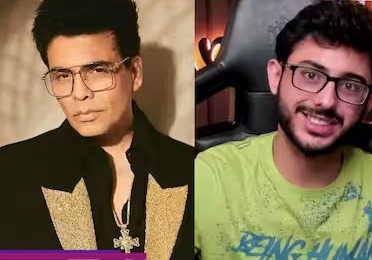
In a significant legal development, a Mumbai civil court has ordered the removal of allegedly defamatory and abusive videos posted by YouTuber Ajey Nagar, popularly known as CarryMinati, against filmmaker Karan Johar. The interim injunction, passed on February 9, 2026, restrains Nagar and his associates from publishing or circulating any vulgar or defamatory content targeting Johar. The ruling underscores the growing tension between digital free speech and protection of reputation in India’s online space.
Background of the Case
- The case was filed by Karan Johar through Apoorva Mehta, CEO of Dharma Productions, against CarryMinati, his talent manager Deepak Char, One Hand Clap Media Pvt Ltd, and tech giants Google and Meta.
- Johar alleged that the videos uploaded on YouTube contained vulgar, abusive, and defamatory remarks against him.
- His plea stated that the content had already reached millions of viewers and was being repurposed into short reels and clips across social media platforms.
- CarryMinati’s counsel argued that the videos had already been taken down, but Johar countered that the damage was ongoing due to widespread circulation.
The court agreed with Johar’s submissions and granted an ad-interim ex parte order, directing platforms to remove the videos and restraining Nagar from reposting similar content.
Court’s Observations
The Mumbai court emphasized several points:
- Defamation and Reputation: Protecting an individual’s reputation is a fundamental right, and online platforms cannot be used to malign public figures.
- Satire vs. Abuse: While satire and criticism are permissible, vulgar and abusive language crosses the line into defamation.
- Platform Responsibility: Social media platforms like Google and Meta must ensure compliance with court orders and remove defamatory content promptly.
- Interim Relief: The injunction was necessary to prevent further harm to Johar’s reputation while the case proceeds.
Also Read: ITAT Rules in Favor of Dream11 Parent: Advance Tax Delay Based on Payment Date, Not Credit Date
[Legal professionals and students alike will benefit from Will Writing Simplified, which covers procedure and case law in detail.]
🔹 Buy online: Amazon | Flipkart
Why This Matters
This ruling is important for multiple reasons:
- Digital Accountability: It sets a precedent for holding influencers and content creators accountable for defamatory content.
- Balance of Rights: The case highlights the delicate balance between freedom of expression and protection of reputation.
- Impact on Online Culture: The decision may discourage abusive online commentary against celebrities and public figures.
Legal experts believe the case will influence how courts handle defamation in the digital age, especially with the rise of viral content and influencer culture.
Broader Legal Context
- Defamation Law in India: Governed by civil and criminal provisions, defamation involves damaging someone’s reputation through false or abusive statements.
- Online Platforms: Courts increasingly hold platforms responsible for hosting defamatory content, requiring proactive takedowns.
- Free Speech Debate: The ruling reignites debate on where to draw the line between criticism, satire, and harassment.
This case adds to a growing body of jurisprudence where courts intervene to regulate online speech and protect individuals from reputational harm.
Expert Opinions
Also Read: Karnataka High Court Cancels Gift Deed, protects 84-Year-Old Father Neglected by Daughters
- Media lawyers say the ruling strengthens the legal framework against online defamation.
- Digital rights activists caution that while abusive content must be curbed, courts must avoid overreach that stifles legitimate criticism.
- Film industry insiders welcome the decision, noting that celebrities often face disproportionate online abuse.
Impact on Society and Online Platforms
- Content Creators: Influencers may need to exercise greater caution in their videos and commentary.
- Celebrities: The ruling provides a legal remedy against abusive online campaigns.
- Platforms: Tech companies face increasing responsibility to monitor and remove defamatory content.
The case could lead to stricter moderation policies on platforms like YouTube, Instagram, and Facebook.
Conclusion
The Mumbai court’s order against CarryMinati marks a milestone in India’s digital defamation jurisprudence. By directing the removal of abusive videos and restraining further defamatory content, the court has reinforced the principle that free speech cannot be a shield for vulgarity and harassment.
As the case progresses, it will likely serve as a reference point for future disputes involving online influencers, satire, and defamation, shaping the contours of India’s digital free speech landscape.
Also Read: Supreme Court Revives Forgery Trial in Family Property Dispute
Keywords for Faster Searches
- Mumbai court CarryMinati Karan Johar case
- Defamation law India YouTube videos
- CarryMinati abusive content court order
- Free speech vs defamation India
- Social media defamation cases India
- Karan Johar vs CarryMinati lawsuit
- Online harassment legal rulings India
Also Read: Delhi High Court Slams Advocate for Misleading Family Court into Granting Divorce in Void Marriage