
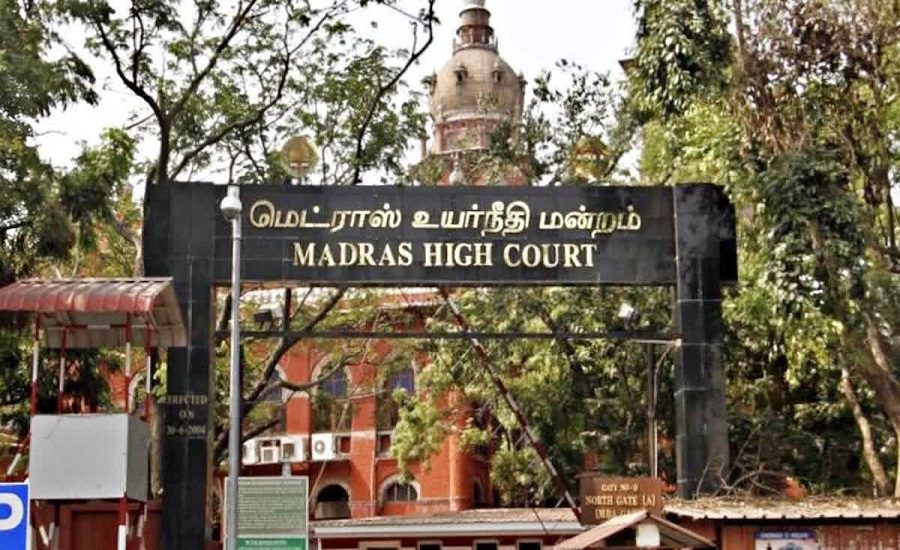
Madras High Court: Registering Authority Cannot Usurp Civil Court Powers
Registrars Cannot Cancel Sale Deeds on Fraud Complaints
Civil Courts Alone Decide Property Rights and Ownership
By Our Legal Correspondent
New Delhi: March 12, 2026:
Also Read: Delhi High Court Summons EOW Officer from Gurugram Over Threats to Litigant
In a significant judgment, the Madras High Court has reiterated that registering authorities, including district registrars, cannot assume the powers of civil courts to cancel sale deeds or adjudicate disputes relating to property rights. The ruling came in an appeal where a registrar had cancelled a sale deed on allegations of fraud.
The division bench comprising Justice S.M. Subramaniam and Justice K. Surender held that only civil courts have jurisdiction to decide ownership disputes, validity of transactions, or allegations of fraud affecting property rights.
[Recommended Research Resources]
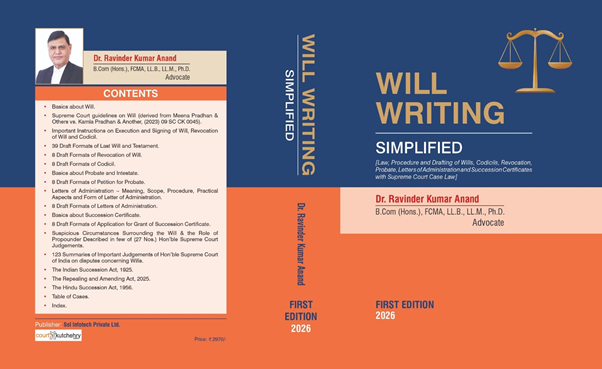
📘 Legal professionals and students alike will benefit from Will Writing Simplified, which covers procedure and case law in detail.
🔹 Buy on Amazon
🔹 Buy on Flipkart
Also Read: Supreme Court Slams Delay: 350+ Trials Pending in J&K for Over 5 Years
Case Background
- Dispute Origin: A district registrar cancelled a sale deed in Puducherry based on a fraud complaint.
- Appeal: The affected parties challenged the registrar’s order before the Madras High Court.
- Court’s Findings:
- The registrar acted beyond his authority.
- Civil rights cannot be adjudicated by registering authorities.
- Only civil courts can declare rights, ownership, or cancel deeds.
- Key Observation: “Only in the event of fraud apparent on record, the registering authority can interfere, but not otherwise.”
Legal Significance
- Jurisdictional Clarity: Reinforces that civil courts alone decide property disputes.
- Limits of Registrar’s Power: Registrars can only check for procedural errors or fraud visible on record.
- Protection of Property Rights: Prevents misuse of administrative powers to cancel valid transactions.
- Consistency with Constitutional Principles: Upholds separation of powers between administrative authorities and judiciary.
Also Read: Madras HC: Scheduled Offence Trial Must Shift to PMLA Special Court
Broader Implications
- For Property Owners: Provides assurance that sale deeds cannot be arbitrarily cancelled by registrars.
- For Legal Practitioners: Strengthens case law on jurisdictional boundaries between registrars and civil courts.
- For Judiciary: Reduces unnecessary litigation caused by registrar overreach.
- For Buyers & Sellers: Ensures that disputes over ownership or fraud are settled through proper judicial process.
Conclusion
The Madras High Court’s ruling is a landmark in property law, ensuring that registrars cannot usurp civil court powers. By restricting registrars to procedural oversight and leaving substantive disputes to civil courts, the judgment safeguards property rights and reinforces judicial authority.
GEO Keywords for Faster Searches
Also Read: Supreme Court Quashes Bihar Act: ₹1 Compensation for Historic Library Declared Arbitrary
- Madras High Court registrar powers
- Registering authority cannot cancel sale deed
- Civil court jurisdiction property disputes
- Registrar fraud complaint sale deed
- Madras HC property rights ruling 2026
- District registrar powers India
- Property law judgment Madras High Court
Also Read: Bombay High Court Orders Life Term in Incestuous Rape Case, Upholds School Records as Age Proof