
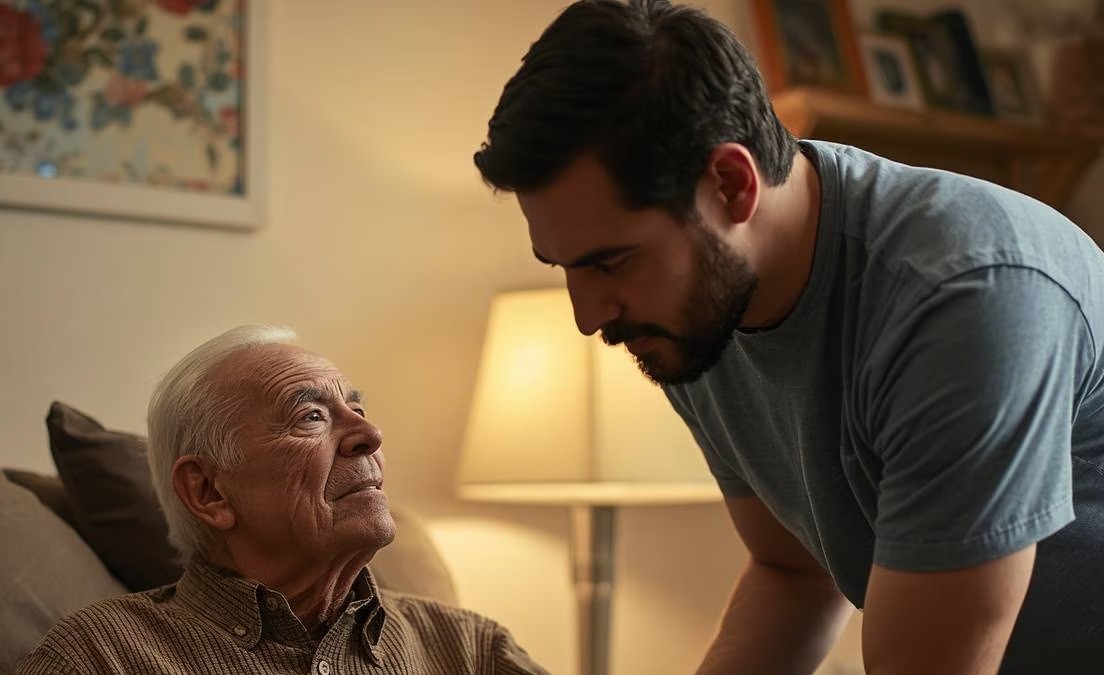
Can a 90-Year-Old Parsi Doctor Adopt His 43-Year-Old Caretaker?
Adoption Law Bars Adults, But Inheritance Rules Offer Alternatives
Case Spotlights Legal Grey Zone Between Care, Kinship, and Property Rights
By Legal Reporter
New Delhi: April 30, 2026:
Indian adoption law does not permit adopting adults, making the case of Dr. Bomsi Wadia—a wealthy 90-year-old Parsi doctor seeking to adopt his 43-year-old caretaker—legally untenable under current statutes. The matter highlights gaps in India’s adoption framework, inheritance laws, and the distinction between guardianship and adoption.
For a deeper understanding of how Indian courts resolve disputes involving ownership rights, succession claims, and evidentiary standards, refer to the Supreme Court judgment in Kanwarjit Singh Dhillon v. Hardyal Singh Dhillon & Others . This case highlights key legal principles applied in adjudicating complex civil and family property disputes.
Analytical Overview
Dr. Bomsi Wadia’s unusual petition raises fundamental questions about the scope of adoption laws in India and whether they can be extended to adults. The case forces a re-examination of statutes governing adoption, guardianship, and succession.
1. Hindu Adoption and Maintenance Act (HAMA), 1956
- Applies to Hindus, Buddhists, Jains, and Sikhs.
- Age Restriction: Only minors (under 18 years) can be adopted.
- Adult Adoption Not Permitted: The law explicitly bars adoption of adults, making Wadia’s request outside its scope.
2. Juvenile Justice (Care and Protection of Children) Act, 2015
- Provides a framework for adoption across religions.
- Again, limited to children below 18 years.
- Overseen by the Central Adoption Resource Authority (CARA).
3. Parsi Personal Law
- Parsis do not have a codified adoption statute.
- Adoption is not legally recognized under Parsi law; instead, inheritance is governed by the Indian Succession Act, 1925.
- Thus, Wadia cannot adopt under his community’s personal law.
4. Guardianship vs. Adoption
- Guardianship (under the Guardians and Wards Act, 1890) allows care and responsibility but does not create inheritance rights.
- Adoption, by contrast, creates a legal parent-child relationship with full succession rights.
5. Inheritance and Wills
- Since adult adoption is barred, Wadia’s caretaker can only inherit through:
- A registered will under the Indian Succession Act.
- Gift deeds or trusts transferring property during Wadia’s lifetime.
Key Legal Takeaways
- Adult adoption is not legally recognized in India.
- Succession laws provide alternative mechanisms for caretakers to inherit.
- Guardianship offers care but not inheritance rights.
- The case highlights a policy gap: India lacks provisions for adult adoption, unlike some Western jurisdictions.
FAQ: Legal Points Simplified
Q1: Can adults be adopted in India?
No. Both HAMA and the Juvenile Justice Act restrict adoption to minors under 18 years.
Q2: What about Parsis—do they have adoption rights?
Parsis do not have a codified adoption law. Their inheritance is governed by the Indian Succession Act, 1925.
Q3: If adoption is not possible, how can a caretaker inherit?
Through a will, gift deed, or trust. These instruments legally transfer property and are enforceable in court.
Q4: What is the difference between guardianship and adoption?
- Guardianship: Care and responsibility, no automatic inheritance.
- Adoption: Creates a legal parent-child relationship, including succession rights.
Q5: Are there countries that allow adult adoption?
Yes. Nations like Japan, Germany, and the U.S. permit adult adoption, often for inheritance or family continuity. India does not.
Q6: Could this case change Indian law?
It could spark debate, but any change would require Parliamentary amendment to existing adoption statutes.
Conclusion
Dr. Wadia’s attempt to adopt his 43-year-old caretaker underscores the rigidity of Indian adoption law and the absence of adult adoption provisions. While his wish reflects emotional and practical concerns, the legal route available remains through succession instruments like wills and trusts. The case may ignite broader discussions on whether India should modernize its adoption framework to accommodate adult relationships rooted in care and dependency.