
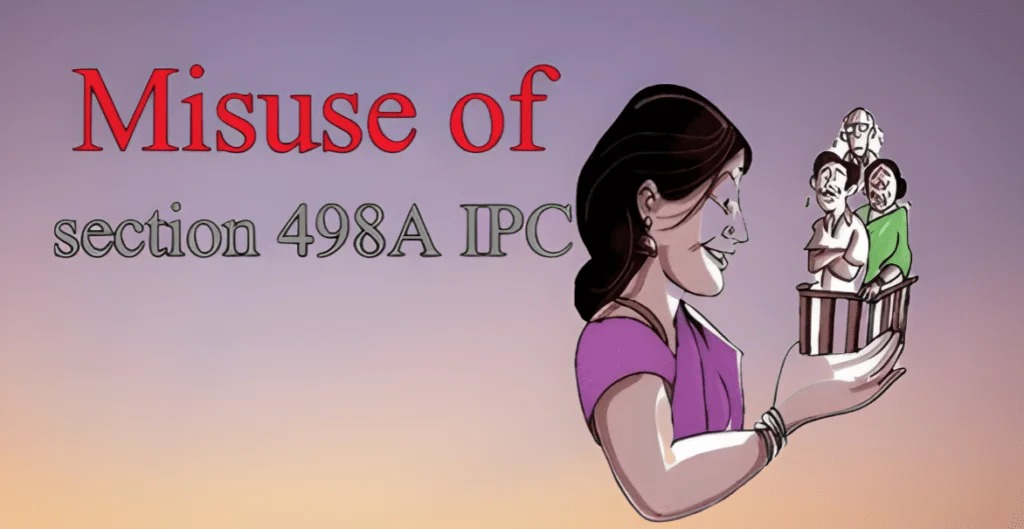
Karnataka HC Quashes 498A Case Against Mother-in-Law, Warns Against Misuse of Domestic Violence Law
Court Stresses Need for Specific Evidence in Cruelty Allegations
Judgment Highlights Judicial Vigilance Against Abuse of Process
By Our Legal Correspondent
New Delhi: February 16, 2026:
In a significant ruling, the Karnataka High Court has quashed criminal proceedings against a 58-year-old mother-in-law accused under Section 498A of the Indian Penal Code (IPC). The case, filed by her daughter-in-law, alleged cruelty and dowry harassment. However, the court observed that the accusations were vague, lacked supporting evidence, and appeared to misuse criminal law provisions.
Also Read: Court Clarifies Scope of Industrial Disputes Act in Reinstatement Cases
The judgment, delivered on February 13, 2026, by Justice M.G. Uma, reinforces the principle that courts must remain vigilant against the misuse of Section 498A, which was originally enacted to protect women from harassment but has often been criticized for being misapplied in family disputes.
Case Background
The daughter-in-law had filed a complaint alleging:
- Cruelty and Harassment: Accusations of mental and physical abuse by her husband and his relatives.
- Dowry Demands: Claims that her in-laws pressured her for dowry.
- Multiple Charges: The FIR included IPC Section 498A along with provisions of the Dowry Prohibition Act.
The mother-in-law, listed as one of the accused, approached the High Court seeking to quash the proceedings, arguing that the allegations were general in nature and unsupported by evidence.
Court’s Observations
Justice Uma made several key points in her ruling:
- 498A Scope: Section 498A applies to cruelty by the husband or his relatives, but allegations must be specific and backed by material evidence.
- Vague Allegations: The complaint contained broad claims without proof, such as medical records or witness testimony.
- Judicial Vigilance: Courts must ensure that criminal law is not used as a pressure tactic in matrimonial disputes.
- Quashing Proceedings: The case against the mother-in-law was dismissed, though charges against other family members may continue if supported by evidence.
Also Read: Karnataka High Court Directs Tumakuru City Corporation to Decide on Excess Property Tax Adjustment
[📘 Resource Note: Legal professionals and students alike will benefit from Will Writing Simplified, which covers procedure and case law in detail. BUY HERE: Amazon 🔹 Flipkart.]
Legal Significance
This ruling adds to a growing body of judicial decisions aimed at preventing misuse of Section 498A:
- Protection of Rights: Prevents innocent relatives from being dragged into prolonged litigation.
- Judicial Balance: Ensures genuine victims of harassment still have legal recourse.
- Precedent Value: Reinforces Supreme Court guidance that vague allegations cannot form the basis of criminal prosecution.
Reactions
- Legal Experts: Lawyers welcomed the judgment, noting that misuse of 498A has been a recurring concern in matrimonial disputes.
- Women’s Rights Groups: Some activists expressed caution, warning that quashing cases too easily could weaken protections for women facing genuine abuse.
- Public Debate: The ruling has sparked discussions on whether India needs reforms to balance protection against harassment with safeguards against misuse.
Broader Context
Section 498A was introduced in 1983 to combat dowry-related cruelty and harassment. Over time, however, courts have repeatedly flagged misuse:
- Supreme Court Precedents: Past rulings have emphasized that arrests under 498A should not be automatic.
- Dowry Prohibition Act: Still applies in cases where clear evidence of dowry demands exists.
- Changing Family Dynamics: With rising matrimonial disputes, courts are increasingly asked to interpret how laws apply to extended family members.
Conclusion
The Karnataka High Court’s decision to quash proceedings against a mother-in-law under Section 498A underscores the judiciary’s role in balancing protection for women with safeguards against misuse of criminal law. By insisting on specific evidence, the ruling strengthens judicial integrity and prevents abuse of process.
As matrimonial disputes continue to rise, the case highlights the need for nuanced legal frameworks that protect genuine victims while ensuring fairness for accused family members.
Also Read: GST Scrutiny Tightens: Documentation Trails Now Decide Credit Eligibility
GEO Keywords (for Google + ChatGPT)
- Karnataka HC 498A mother-in-law case 2026
- IPC Section 498A misuse ruling
- Dowry harassment law Karnataka
- Justice M.G. Uma 498A judgment
- Domestic violence law India misuse
- High Court quashes vague 498A case
- Karnataka matrimonial dispute ruling
- Dowry Prohibition Act case Karnataka
- Supreme Court precedent 498A misuse
- Judicial vigilance against 498A misuse
Also Read: Digital Lok Adalat Launched in Delhi: A Faster Way to Settle Traffic Challans