

COURTKUTHEHRY SPECIAL ON NEW TRENDS INDIA’s WEALTH INHERITANCE
India’s Wealthy Reshape Inheritance Portfolios: Rise of Trusts, Family Offices, and Structured Succession
Intergenerational wealth transfer sparks new estate planning models
Trust structures and family offices gain prominence amid tax concerns
By Legal Reporter
New Delhi: March 04, 2026:
India is witnessing a silent but powerful shift in how its wealthy families are planning inheritance and succession. With an estimated $1.3–1.5 trillion in intergenerational wealth transfer expected over the next decade, ultra‑high‑net‑worth (UHNW) families are increasingly turning to trust structures, family offices, and professional estate planning tools to safeguard their legacies.
Also Read: IRDAI Plans to Scrap High Upfront Commissions for Life Insurance Agents
This transformation is driven by multiple factors: rising wealth from IPOs and private equity exits, concerns about a possible reintroduction of inheritance tax, and the need to ensure smooth succession across complex family businesses.
[Suggested Legal Resource]
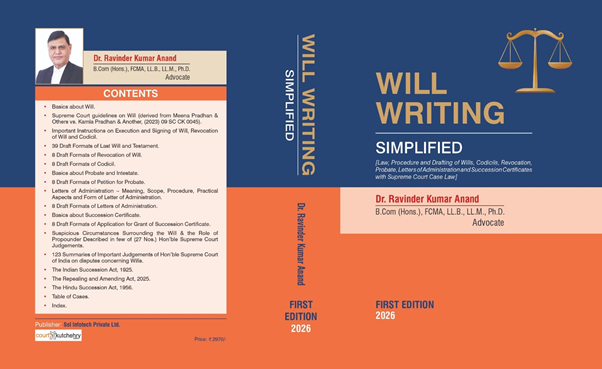
If you want practical guidance on drafting wills, codicils, and probate procedures, Will Writing Simplified is an invaluable resource. BUY HERE: Amazon 🔹 Flipkart
Background of the Trend
Also Read: Madras High Court Orders Vigilance Probe Into State’s Delay in Filing Appeals
- According to the EY–Julius Baer Family Office Playbook (2025), India has seen a sharp rise in family offices, from just 45 in 2018 to nearly 300 in 2024, with projections of 19,000 UHNW families by 2028.
- Wealth transfer is being accelerated by liquidity events such as business listings, mergers, and private equity exits, creating new challenges in succession planning.
- Estate planning experts note that trust structures are gaining popularity, offering tax efficiency, asset protection, and smoother intergenerational transfer.
Key Developments in Inheritance Structuring
1. Rise of Family Offices
- Family offices are now central to wealth management, handling investments, governance, philanthropy, and succession planning.
- They provide a professionalized approach, reducing disputes and ensuring continuity across generations.
2. Trust Structures
- Trusts are being used to ring‑fence assets, protect family wealth, and prepare for potential inheritance tax reintroduction.
- Historically, India had an Estate Duty Act (1953–1985), which taxed inheritance at rates up to 40%. Experts believe similar measures could return, making trusts a defensive strategy.
3. Professional Estate Planning
- Wealthy families are increasingly engaging law firms, tax advisors, and estate planners to draft wills, codicils, and succession documents.
- Structured estate planning reduces litigation risks and ensures clarity in asset distribution.
Why This Matters
Also Read: Varinder Singh Ghuman Death: Medical Board Finds Hospital Negligence
- Economic Impact: With trillions set to change hands, structured inheritance planning will shape India’s investment landscape.
- Family Stability: Professionalized succession reduces disputes among heirs, a common issue in family‑run businesses.
- Tax Preparedness: Anticipating inheritance tax, families are proactively restructuring portfolios.
Reactions and Implications
- Legal Experts: Lawyers emphasize that trusts and family offices provide long‑term stability and reduce risks of fragmented ownership.
- Financial Advisors: Wealth managers highlight that structured portfolios allow diversification into global assets, philanthropy, and sustainable investments.
- Public Perception: While inheritance planning was once a private affair, it is now openly discussed among India’s wealthy, reflecting changing attitudes toward transparency and governance.
Wider Context
- India’s wealth landscape is evolving rapidly, with 13,000 UHNW families today, expected to grow to 19,000 by 2028.
- Globally, family offices and trusts are standard tools; India is now catching up, aligning with international best practices.
Conclusion
The restructuring of inheritance portfolios among India’s wealthy marks a pivotal moment in the country’s financial and social fabric. With trillions in wealth set to transfer, families are embracing trusts, family offices, and professional estate planning to safeguard legacies, prepare for tax changes, and ensure smooth succession. This silent shift is reshaping not only family wealth management but also India’s broader economic future.
Also Read: Madhya Pradesh High Court Orders Return of Withheld Documents to Doctor Who Quit PG Seat
Keywords for SEO & Faster Searches
India inheritance structuring trend, family offices India 2026, trust structures succession planning, intergenerational wealth transfer India, inheritance tax India estate duty, EY Julius Baer family office playbook, UHNW families India estate planning, wills codicils probate India wealthy, structured inheritance portfolios India, family wealth governance India
Also Read: Supreme Court Issues Contempt Notice to 51 Delhi Hospitals Over EWS Patient Shortfall