
Energy Transition in India: Balancing Climate Goals, Economic Growth, and Constitutional Duties
From Coal Dependency to Renewable Leadership — India’s Energy Crossroads
Constitutional and Policy Challenges in Achieving Net‑Zero by 2070
By Vishwas Kumar
New Delhi: June 07, 2026:
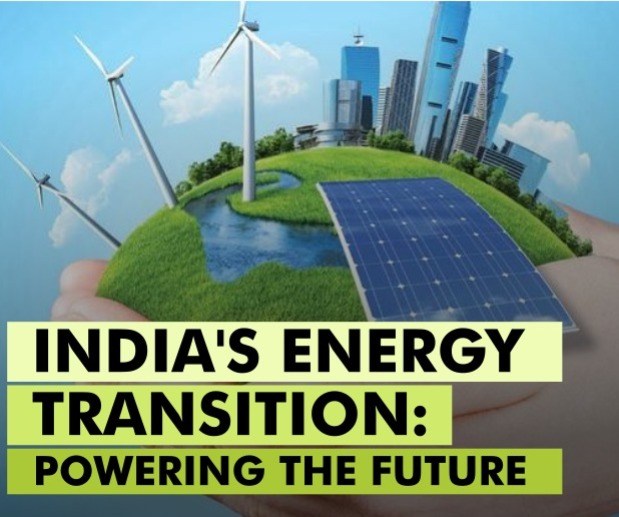
India today stands at a historic crossroads in its energy journey. As the world’s third‑largest energy consumer, the country’s choices will shape not only its own development trajectory but also the global fight against climate change. The challenge is stark: how to balance rapid economic growth and rising energy demand with the urgent need to decarbonize and protect the environment.
The right to life and personal liberty remains one of the most significant protections available to Indian citizens. Over the years, the Supreme Court has expanded the scope of Article 21 to include rights relating to dignity, privacy, health, livelihood, education, clean environment, and fair procedure. Readers seeking a comprehensive understanding of these landmark constitutional developments can explore this detailed guide on Article 21 of the Constitution of India, which examines its evolution through leading Supreme Court judgments and constitutional interpretations.
For decades, India’s power sector has been dominated by coal, which still accounts for over 70% of electricity generation. This dependency has fuelled industrial expansion but also contributed to severe air pollution, greenhouse gas emissions, and public health crises. At the same time, India has emerged as a global leader in renewable energy, setting ambitious targets of 500 GW of renewable capacity by 2030 and pledging to achieve net‑zero emissions by 2070. The launch of the National Hydrogen Mission and leadership in the International Solar Alliance signal India’s intent to drive innovation and global cooperation in clean energy.
Yet the energy transition is not simply a matter of technology or economics—it is deeply constitutional. The Supreme Court has interpreted Article 21 (Right to Life) to include freedom from pollution and climate harm, while Article 48A obligates the State to protect the environment. Citizens’ rights to equality under Article 14 demand that energy policies do not exclude vulnerable communities, and judicial interventions through PILs have already linked clean air and sustainable development to fundamental rights.
Globally, the debate is intense: the EU pursues aggressive decarbonization, the U.S. incentivizes clean energy through legislation, and China balances massive renewable investments with continued coal reliance. India’s path must be uniquely its own anchored in constitutional duties, economic realities, and ethical commitments to intergenerational justice.
The energy transition is not optional; it is inevitable. The question is whether India can transform this necessity into an opportunity to lead the world in rights‑centric, sustainable energy governance.
India’s energy transition is a balancing act:
- Coal Dependency: India still relies on coal for over 70% of electricity generation.
- Renewable Push: Ambitious targets for solar, wind, and green hydrogen aim to reduce emissions.
- Net‑Zero by 2070: India’s pledge at COP26 sets a long‑term constitutional and policy challenge.
The debate is not just about economics—it is about rights. Citizens’ right to clean air, health, and climate security is now being interpreted as constitutional obligations.
Comparative Perspectives
- EU: Aggressive decarbonization with strong legal frameworks.
- U.S.: Inflation Reduction Act incentivizes clean energy.
- China: Massive renewable investments but continued coal reliance.
India’s path must balance development needs with constitutional duties to protect life and environment.
📊 Sociological, Economic & Ethical Impacts
- Sociological: Energy transition affects workers in coal regions, requiring just transition policies.
- Economic: Renewable energy creates new industries but demands heavy investment.
- Ethical: Intergenerational justice requires shifting to sustainable energy for future generations.
Constitutional & Judicial Angle
- Article 21: Right to life includes freedom from pollution and climate harm.
- Article 48A: Directive Principle obligates the State to protect the environment.
- Judicial PILs: Courts have linked energy policy to citizens’ rights to health and dignity.
Extended FAQ: Energy Transition & the Indian Constitution
- What is energy transition?
It is the shift from fossil fuels like coal and oil to renewable and sustainable energy sources. - Why is energy transition important for India?
India is the world’s third‑largest energy consumer, and its choices affect both domestic development and global climate goals. - What is India’s net‑zero target?
India pledged to achieve net‑zero emissions by 2070 at COP26. - How does Article 21 relate to energy transition?
Courts interpret the right to life to include freedom from pollution and climate harm. - What role does Article 14 play?
It ensures energy policies do not discriminate against vulnerable communities. - What is Article 48A?
A Directive Principle obligating the State to protect the environment. - How dependent is India on coal?
Coal still accounts for over 70% of electricity generation. - What are India’s renewable energy targets?
India aims for 500 GW of renewable capacity by 2030. - What is green hydrogen?
A clean fuel produced using renewable energy, central to India’s future energy plans. - What role does solar energy play?
India is a global leader in solar, with ambitious expansion under the National Solar Mission. - What is the International Solar Alliance?
A global initiative led by India to promote solar energy cooperation. - How does energy transition affect jobs?
It requires just transition policies to support workers in coal regions. - What is a just transition?
Ensuring that workers and communities dependent on fossil fuels are supported during the energy shift. - What role do PILs play in energy cases?
Citizens use PILs to demand clean energy and challenge polluting projects. - What was the Supreme Court’s role in air pollution cases?
It linked clean air to Article 21, influencing energy policy. - How does energy transition affect rural communities?
Renewable projects can empower them but also risk land conflicts. - What global models influence India?
EU’s aggressive decarbonization, U.S. clean energy incentives, and China’s renewable investments. - How does India’s model differ?
India balances development needs with constitutional duties to protect life and environment. - What is the role of the judiciary?
Courts interpret constitutional rights to regulate energy policies. - Can courts mandate emission reductions?
Yes, as seen in global precedents like the Urgenda case in the Netherlands. - What role does the proportionality test play?
Energy policies must balance state interests with individual rights. - What is the role of the National Green Tribunal (NGT)?
It enforces environmental laws, complementing constitutional energy rights. - How does energy transition affect healthcare?
Reduced pollution improves public health, linking energy policy to Article 21. - What is India’s position in global climate negotiations?
India advocates for equity, emphasizing common but differentiated responsibilities. - How does energy transition affect agriculture?
Renewable energy can support irrigation but climate change threatens productivity. - What is the ethical basis of energy transition?
Intergenerational justice and fairness to vulnerable communities. - How does energy transition affect urban planning?
Cities must integrate sustainability and resilience into energy use. - What role does technology play?
AI, smart grids, and storage systems are central to renewable integration. - Can private corporations be held accountable?
Yes, when their actions cause climate harm affecting fundamental rights. - What is the economic impact of energy transition?
It creates new industries but requires heavy investment. - How does energy transition affect democracy?
Citizens demand accountability in energy policies through activism and PILs. - What role does civil society play?
NGOs and activists push for renewable adoption and just transition. - Can energy transition affect freedom of association?
Yes, by enabling new forms of collective climate activism. - What reforms are expected in India?
Stronger renewable targets, green hydrogen policies, and just transition frameworks. - Can courts strike down polluting projects?
Yes, if they violate fundamental rights or environmental obligations. - How does energy transition affect international trade?
Compliance with climate goals is essential for global partnerships. - What role does intergenerational equity play?
Future generations have a right to a healthy environment and sustainable energy. - What is India’s global leadership role?
India is emerging as a leader in solar and green hydrogen. - Why is energy transition urgent today?
Because climate change directly threatens survival, dignity, and democracy. - What is the constitutional vision of energy transition?
To embed sustainability into rights and duties, ensuring development serves life and dignity.
Closing Vision
India’s energy transition is not just a policy choice—it is a constitutional necessity. By embedding climate goals into rights and duties, India can lead globally in rights‑centric energy governance. The vision is clear: energy transition must serve development, dignity, and democracy.
Conclusion: Energy Transition in India and Future Trends
India’s energy transition is not just a matter of economics or technology—it is a constitutional and moral imperative. As the world’s third‑largest energy consumer, India’s choices will determine not only its own development trajectory but also the global fight against climate change. The pledge to achieve net‑zero emissions by 2070 sets a long‑term vision, but the path ahead is complex, requiring balance between growth, sustainability, and justice.
The conclusion of this debate is not closure but a roadmap: future trends that will define India’s energy transition in the coming decades.
1. Green Hydrogen Revolution
Future trends will see India investing heavily in green hydrogen, a clean fuel produced using renewable energy. India’s National Hydrogen Mission aims to make the country a global hub. Courts may interpret Article 21 to demand equitable access to clean fuels, embedding hydrogen into constitutional energy rights.
2. Coal Phase‑Down and Just Transition
Coal remains central to India’s energy mix, but future trends point toward gradual phase‑down. The challenge is ensuring a just transition for workers and communities dependent on coal. Policies will need to provide retraining, social security, and alternative livelihoods, aligning with constitutional guarantees of equality and dignity.
3. AI and Smart Grids
Artificial intelligence and smart grids will reshape energy distribution. Future reforms will mandate algorithmic transparency to ensure fairness in energy access. Courts may interpret Article 14 to demand that digital energy systems do not discriminate against rural or marginalized communities.
4. Renewable Energy Expansion
India’s target of 500 GW renewable capacity by 2030 will drive massive solar and wind projects. Future trends will see courts scrutinizing land acquisition and environmental impacts, ensuring that renewable expansion respects constitutional rights to equality and environment.
5. Energy Access as a Fundamental Right
Future jurisprudence may interpret Article 21 to include energy access as a fundamental right, ensuring that every citizen has affordable, clean electricity. This would embed energy transition into constitutional obligations, making access a matter of justice rather than policy.
6. Global Climate Leadership
India’s energy transition will shape its global role. Future trends may see India leading in solar diplomacy through the International Solar Alliance and advocating for equity in climate negotiations. India’s constitutional approach to energy could influence global norms on rights‑centric climate governance.
7. Economic Transformation
Energy transition will reshape India’s economy. Renewable industries will create jobs, but fossil fuel decline will disrupt traditional sectors. Future trends will see courts and legislatures embedding fairness into economic policy, ensuring that transition benefits are equitably distributed.
8. Judicial Oversight of Energy Policy
Courts will play a central role in regulating energy transition. Just as they intervened in air pollution cases, future rulings may scrutinize emission targets, renewable projects, and just transition policies. Judicial oversight will ensure that energy transition respects constitutional rights.
9. Intergenerational Justice
Future jurisprudence will emphasize intergenerational equity, ensuring that policies today do not compromise the rights of future generations. Courts may demand long‑term sustainability in energy planning, embedding climate justice into constitutional reasoning.
10. Legislative Innovations
Legislation will be essential to operationalize constitutional principles. A National Energy Transition Act could:
- Mandate renewable targets.
- Establish just transition frameworks.
- Regulate green hydrogen.
- Protect land and community rights.
- Create independent oversight bodies.
Such legislation would embed constitutional values into energy governance.
11. Privacy and Data in Energy Systems
Smart grids and digital energy systems collect vast data. Future trends will see stricter privacy safeguards, ensuring that citizens’ energy data is protected under constitutional rights. Courts may extend the Puttaswamy privacy doctrine to energy contexts.
12. Civil Society and Energy Activism
Civil society will continue to use PILs to advance clean energy and challenge polluting projects. Future trends will see energy activism shaping constitutional jurisprudence, ensuring that transition serves justice and dignity.
13. Urban and Rural Energy Divide
Future trends will emphasize bridging the urban‑rural divide in energy access. Courts may interpret equality to demand that rural communities benefit equally from renewable expansion, embedding fairness into energy distribution.
14. Global Trade and Energy Transition
Compliance with climate goals will be essential for global trade. Future trends will see India aligning energy policies with international standards, ensuring competitiveness while protecting constitutional rights.
15. Ethical and Philosophical Shifts
Energy transition raises profound ethical questions: What does development mean when it risks climate harm? How do we balance growth with sustainability? Future trends will see courts and legislatures grappling with these philosophical issues, embedding ethics into constitutional reasoning.
The future of energy in India will be renewable, but it must also be constitutional. Technology offers unprecedented opportunities for clean growth, but it also poses risks of exclusion, inequality, and disruption. The challenge is to ensure that energy transition strengthens rights rather than undermining them.
India must legislate, regulate, and innovate with constitutional values at the center. Universal energy access, just transition, green hydrogen, AI transparency, and intergenerational justice must be embedded into law. Courts must continue to reinterpret rights for the energy age, ensuring that transition evolves without losing its soul.
The vision is clear: energy transition must serve development, dignity, and democracy. By aligning energy policy with constitutional values, India can lead globally in crafting a system that is both modern and moral, both sustainable and constitutional.