
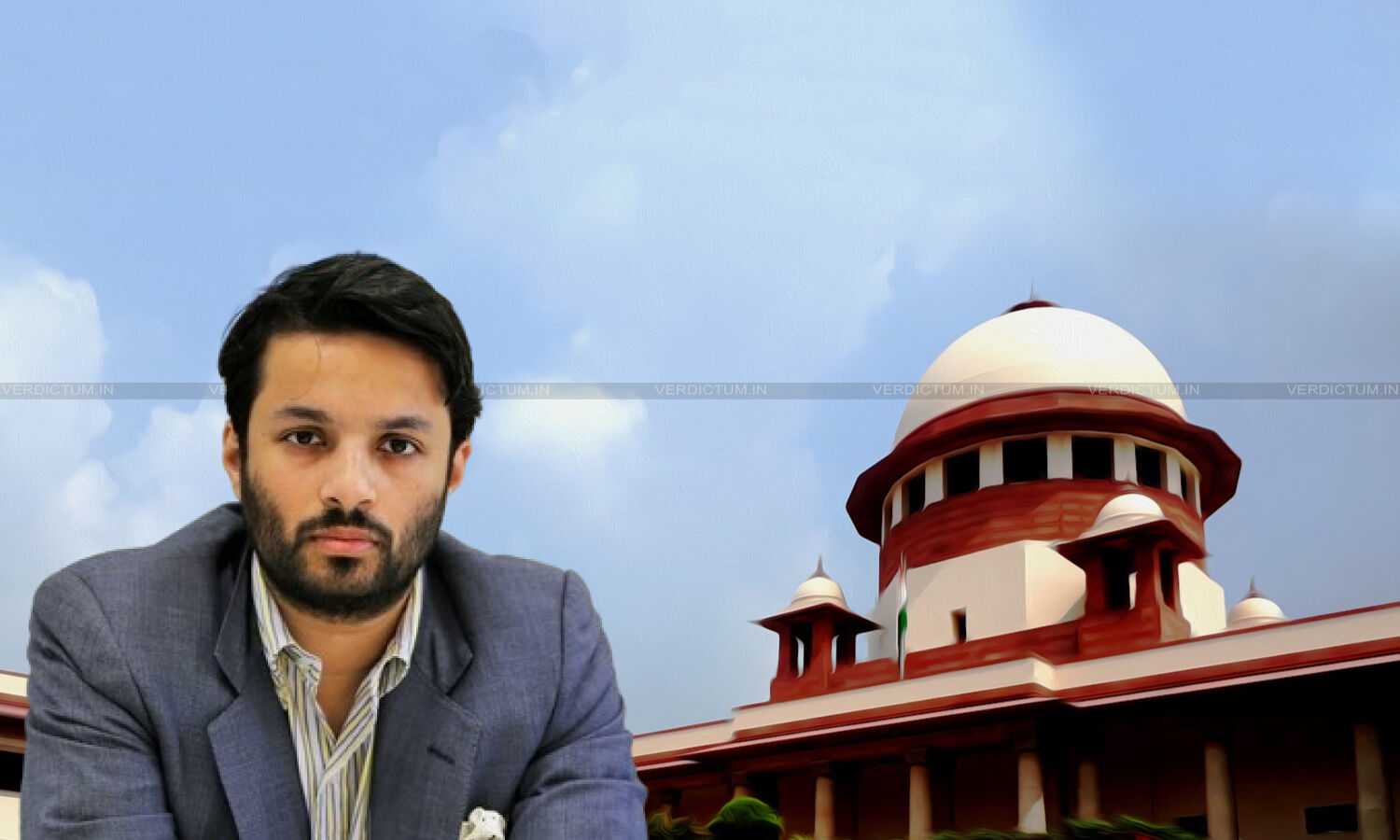
Haryana Government Refuses Prosecution Sanction Against Ashoka University Professor Ali Khan Mahmudabad
Decision shields academic from criminal trial over social media post
Case highlights tension between free speech and state sanction laws
By Our Legal Correspondent
New Delhi: March 16, 2026:
Also Read: Bombay High Court Sets Aside Pune Order in Runwal Enterprises Property Dispute
In a significant development, the State of Haryana has declined to grant sanction for prosecuting Professor Ali Khan Mahmudabad, a faculty member at Ashoka University, over a controversial post he made during Operation Sindoor. The refusal of sanction means that criminal proceedings against him cannot move forward, as prosecution of public servants and individuals in sensitive cases requires prior government approval under Indian law.
The case has drawn national attention, not only because of the professor’s academic standing but also because it touches upon broader issues of freedom of expression, academic independence, and the role of state sanction in criminal law.
[📘 Recommended Reading]
Legal professionals, families and students alike will benefit from Will Writing Simplified, which covers procedure and case law in detail.
BUY NOW🔹 Amazon
BUY NOW🔹 Flipkart
Legal Issues at Stake
- Requirement of Sanction (CrPC Section 196 & 197)
- Certain offences, especially those involving sedition, national security, or public order, require prior sanction from the government before prosecution.
- The refusal of sanction by Haryana effectively blocks further legal action.
- Free Speech vs. National Security
- The professor’s post was criticized as being against the spirit of Operation Sindoor.
- Supporters argue it falls within the ambit of free speech and academic critique.
- Academic Freedom
- The case raises questions about whether academics can freely express opinions on sensitive national issues without fear of criminal prosecution.
- Precedent in Sanction Cases
- Courts have repeatedly held that sanction is a safeguard against frivolous or politically motivated prosecutions.
- The refusal here underscores the government’s discretion in balancing law and liberty.
Also Read: Supreme Court Rejects West Bengal Plea: NIA Probe in Beldanga Violence to Continue
Background & History
- Operation Sindoor: A military operation that received widespread public and political support.
- Professor’s Post: Mahmudabad’s social media commentary was criticized by some as being “anti-national.”
- Complaint Filed: A case was registered seeking prosecution under provisions relating to public order.
- Haryana’s Decision: The state refused sanction, citing lack of grounds for prosecution.
Broader Implications
- For Academia: The decision may reassure academics that critical commentary will not automatically lead to prosecution.
- For Law: Highlights the importance of sanction provisions as a safeguard against misuse of criminal law.
- For Politics: Reflects the government’s cautious approach in balancing national sentiment with constitutional freedoms.
Also Read: Allahabad High Court: Consensual Intimacy Cannot Be Retrospectively Branded as Rape
GEO-Friendly Keywords
- Haryana refuses sanction Ali Khan Mahmudabad
- Ashoka University professor prosecution case
- Operation Sindoor free speech India
- CrPC Section 196 sanction requirement
- Academic freedom vs national security India
- Haryana government sanction refusal
Also Read: CESTAT Quashes Service Tax Demand Against IBM India: Warranty Reimbursements Not Taxable