
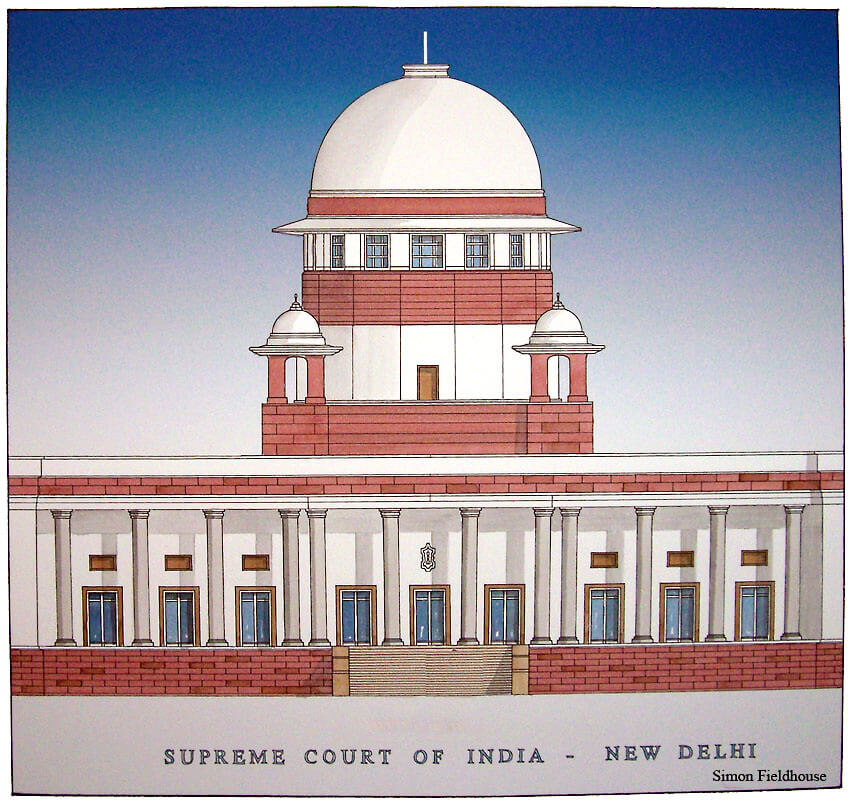
SC Upholds Withholding of Gratuity Pending Proceedings
Rule 69(1)(c) operates as a statutory embargo, not an enabling provision
Acquittal in one case does not lift bar if other proceedings remain pending
By Legal Reporter
New Delhi: April 10, 2026:
The Supreme Court has clarified that under Rule 69(1)(c) of the Central Civil Services (Pension) Rules, 1972, gratuity can be withheld if either criminal or departmental proceedings are pending against a retired employee. This ruling strengthens the State’s financial safeguards and rejects attempts to dilute the statutory embargo.
Further insights on validity of wills and inheritance disputes can be found in this Supreme Court judgment on validity of will and succession disputes in B. Venkatamuni Vs C.J. Ayodhya Ram Singh and Others.
This ruling underscores the Supreme Court’s strict interpretation of pension rules, balancing employee rights with the State’s financial safeguards, and sets a precedent for future disputes involving gratuity and pending proceedings.
Key Legal Principles Highlighted
1. Rule 69(1)(c), CCS (Pension) Rules, 1972
- States: “No gratuity shall be paid to the Government servant until the conclusion of the departmental or judicial proceedings and issue of final orders thereon.”
- The Court emphasized that the word “or” expands the scope, meaning gratuity can be withheld if either type of proceeding is pending.
2. CCS (CCA) Rules, 1965
- Provides framework for disciplinary proceedings.
- Rule 16 allows departmental proceedings for penalties under Rule 11.
- Exception: If proceedings are limited to minor penalties (clauses i, ii, iv of Rule 11), gratuity may be released.
3. Judicial Interpretation
- The Court rejected the appellant’s argument that acquittal in criminal proceedings should automatically release gratuity.
- It clarified that Rule 69(1)(c) is a bar, not a right-conferring provision.
4. Safeguarding State Interests
- The embargo ensures that gratuity payments are not misused while serious allegations remain unresolved.
- Prevents financial loss to the State if misconduct is later established.
Analytical Insights
- Statutory Clarity: The ruling removes ambiguity in interpreting Rule 69(1)(c), affirming that gratuity cannot be claimed until all proceedings conclude.
- Employee Rights vs. State Interests: While gratuity is a statutory right, it is conditional upon clean service records. Pending proceedings suspend entitlement.
- Judicial Consistency: The SC aligned with earlier High Court interpretations, reinforcing uniformity in pension jurisprudence.
- Policy Implication: This judgment may deter employees from attempting to prematurely claim gratuity by exploiting technical interpretations.
[RECOMMENDED RESEARCH RESOURCES]
📘 Legal professionals and students alike will benefit from Will Writing Simplified, which covers procedure and case law in detail.
🔹 Buy "Will Writing Simplified" online: Amazon | Flipkart
Check will-related Supreme Court decisions here. Click the link here: https://www.courtkutchehry.com/pages/blog/123-supreme-court-judgments-on-wills/
Detailed FAQ for Quick Understanding
Q1. What is gratuity under CCS Pension Rules?
Gratuity is a lump-sum retirement benefit payable to government employees, subject to service conditions.
Q2. Can gratuity be withheld after retirement?
Yes. Rule 69(1)(c) allows withholding if either criminal or departmental proceedings are pending.
Q3. Does acquittal in a criminal case guarantee gratuity release?
No. If departmental proceedings are still pending, gratuity remains withheld.
Q4. What is the difference between departmental and judicial proceedings?
- Departmental: Internal disciplinary inquiries under CCS (CCA) Rules.
- Judicial: Criminal or civil cases in courts.
Q5. Are there exceptions to withholding gratuity?
Yes. If departmental proceedings are only for minor penalties (Rule 11 clauses i, ii, iv), gratuity may be released.
Q6. Why did the SC dismiss the appeal in this case?
Because Rule 69(1)(c) clearly bars gratuity until all proceedings conclude, regardless of acquittal in one.