
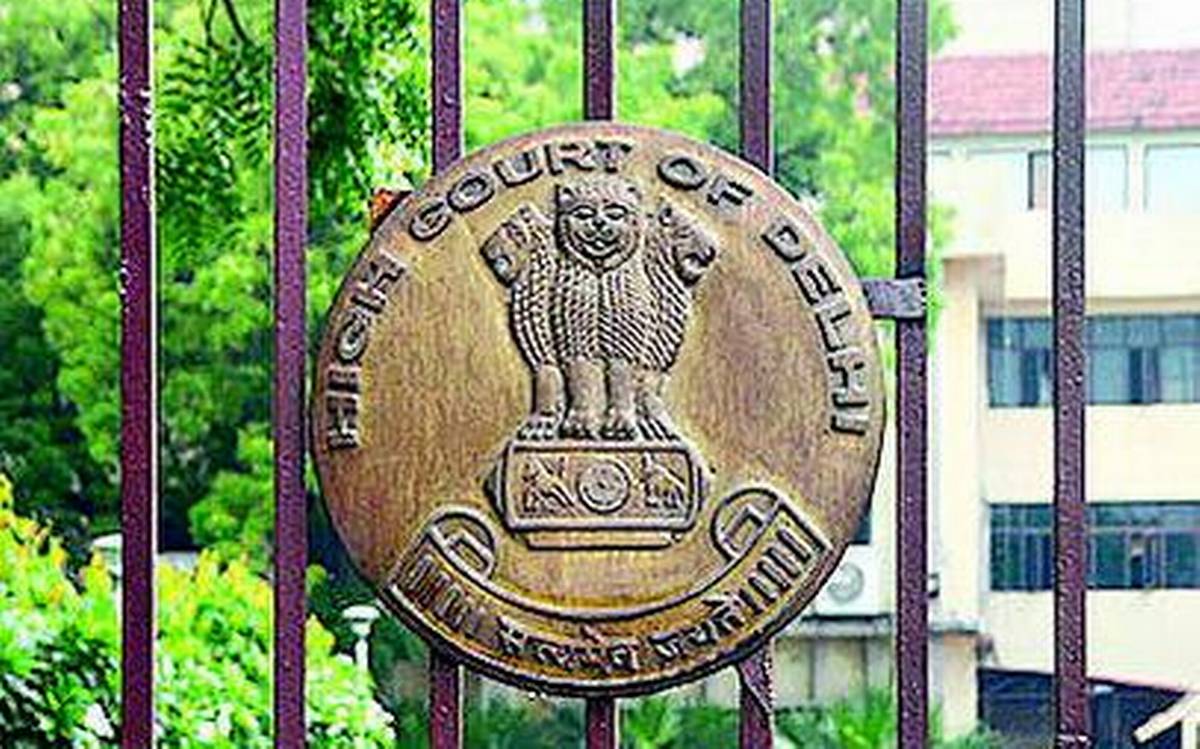
Delhi High Court: Setting Aside Trial Court Orders Not Reflection on Judges’ Integrity
Judicial hierarchy ensures scrutiny, not criticism
Court stresses respect for trial judges’ role
By Legal Reporter
New Delhi: March 14, 2026:
Also Read: Medical Covers for Ultrasound & Laparoscopy Taxable Under GST: AAR Ruling
On March 13, 2026, the Delhi High Court delivered an important ruling that strengthens judicial confidence and clarifies the relationship between trial courts and higher courts. The Court observed that when a trial court’s order is overturned or modified, it should not be seen as a reflection on the judge’s ability or honesty. This ruling came while deciding an application filed by a judicial officer seeking recall of a previous judgment and removal of perceived adverse remarks.
Key Observations by the Court
- Judicial Hierarchy: Justice Swarana Kanta Sharma explained that scrutiny by higher courts is an inherent feature of India’s judicial system.
- No Automatic Stigma: Merely because an order is stayed, modified, or interfered with does not mean the trial judge lacked competence.
- Adverse Remarks Exception: Only when a higher court makes explicit adverse observations can questions about a judge’s integrity arise.
- Judicial Confidence: The ruling aims to protect the dignity of judicial officers and ensure they are not unfairly criticized for routine appellate corrections.
Why This Matters
Also Read: Supreme Court Upholds Deletion of Section 14A Disallowance
- For Judges: Reinforces confidence among trial judges, who often face scrutiny when their orders are overturned.
- For Legal System: Ensures that judicial officers are respected and not demoralized by appellate interventions.
- For Litigants: Clarifies that changes in orders are part of due process, not evidence of incompetence.
- For Public Perception: Helps prevent misinterpretation of appellate rulings as criticism of lower courts.
[Recommended Legal Resources]
📘 Legal professionals, families and students alike will benefit from Will Writing Simplified, which covers procedure and case law in detail.
🔹 Buy on Amazon
🔹 Buy on Flipkart
Broader Implications
Also Read: ITAT Deletes Tax Addition Against Dalmia Family Trust: No Evidence Found
- Judicial Accountability vs. Protection: The ruling balances accountability with protection of judges’ dignity.
- Legal Education: Law students and professionals can better understand how appellate review works without undermining trial courts.
- Courtroom Culture: Encourages respect for judicial hierarchy and discourages unnecessary criticism of trial judges.
Conclusion
The Delhi High Court’s ruling is a reminder that judicial review is a safeguard, not a condemnation. By clarifying that setting aside or modifying trial court orders does not tarnish a judge’s integrity, the Court has strengthened the credibility of India’s judicial system and reassured judicial officers that their role remains respected within the hierarchy.
Keywords for Faster Searches
Also Read: Gujarat High Court Warns Against Blind Use of AI Citations in Adjudication Orders
Delhi High Court trial court order integrity, Justice Swarana Kanta Sharma ruling, appellate review India judiciary, setting aside trial court orders meaning, judicial hierarchy India, judge competence Delhi High Court, trial court vs higher court India
Also Read: Extended Stay of Indians Returning from West Asia May Trigger Tax Issues