
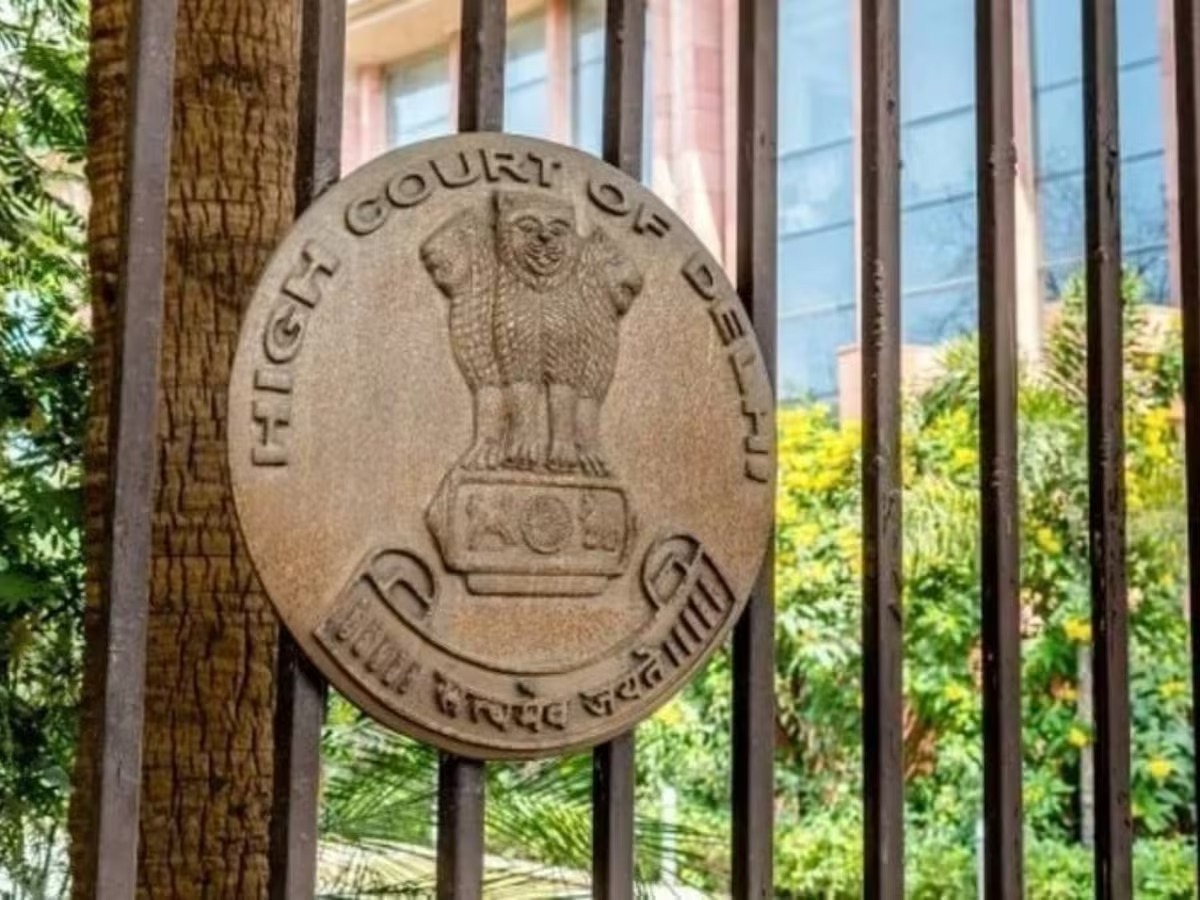
Delhi High Court: Bail Cannot Be Denied for Voluminous Petitions
Judicial Convenience Cannot Override Liberty, Rules Justice Swarana Kanta Sharma
Trial Court’s Rejection Criticised as Non-Application of Judicial Mind
By Our Legal Reporter
New Delhi: February 04, 2026:
In a significant ruling that strengthens the principles of personal liberty and fair trial, the Delhi High Court has held that bail applications cannot be dismissed simply because they are lengthy or accompanied by multiple annexures. The judgment came in the case of Vijay Gupta v. State (NCT of Delhi), where the trial court had rejected a bail plea under the Protection of Children from Sexual Offences Act (POCSO Act), citing the petition’s “voluminous” nature.
Also Read: Income Tax Return Filing 2026–27: New Deadlines and ₹5,000 Penalty Explained
Justice Swarana Kanta Sharma overturned the trial court’s decision, observing that judicial convenience cannot outweigh an accused’s fundamental right to liberty. The ruling is expected to have wide implications for criminal jurisprudence, especially in cases where detailed petitions are filed to ensure comprehensive representation.
Key Highlights of the Judgment
1. Substance Over Form
- The High Court emphasised that matters must be decided on substance rather than form.
- A bulky petition does not justify dismissal; instead, courts must examine the merits of the case.
2. Criticism of Trial Court
- The trial court’s rejection was termed as “non-application of judicial mind.”
- Once a bail application is entertained, notice issued, and arguments listed, the court is duty-bound to decide on merits.
3. Right to Liberty
- Justice Sharma reiterated that personal liberty cannot be curtailed due to drafting choices made by counsel.
- Denying bail on such grounds amounts to penalising the accused for their lawyer’s style of presentation.
Also Read: CBI Cracks Global Digital Fraud Network in Major Operation
4. Judicial Discipline
- The ruling stressed that judicial discipline requires careful adjudication of bail petitions.
- Convenience of the court cannot override constitutional guarantees.
(Legal professionals and students alike will benefit from Will Writing Simplified, which covers procedure and case law in detail.)
🔹 Buy on Amazon
🔹 Buy on Flipkart
Likely Impact of the Judgment
For Accused Persons
- Greater protection of liberty: Accused individuals will not suffer due to technicalities in drafting.
- Encouragement for detailed petitions: Lawyers can file comprehensive applications without fear of dismissal.
For Legal Professionals
Also Read: Supreme Court Declares Temple Trusts Not an Industry Under Labour Law
- Clarity in bail jurisprudence: The judgment reinforces that bail decisions must be based on merits.
- Reduced litigation over procedural grounds: Focus will shift to substantive arguments rather than form.
For Judiciary
- Reminder of constitutional duty: Courts must balance convenience with liberty.
- Strengthening of bail jurisprudence: Ensures consistency in handling bail matters across trial courts.
Broader Legal Context
This ruling comes at a time when Indian courts are increasingly emphasising speedy trials and fair hearings. Bail jurisprudence has often been criticised for inconsistency, with trial courts sometimes rejecting applications on technical grounds. The Delhi High Court’s decision sets a precedent that form cannot defeat substance, and liberty must remain paramount.
Legal experts note that this judgment aligns with the Supreme Court’s repeated observations that “bail is the rule, jail is the exception.” By striking down arbitrary grounds for rejection, the High Court has reaffirmed the constitutional principle of Article 21 – Right to Life and Personal Liberty.
Conclusion
The Delhi High Court’s ruling in Vijay Gupta v. State is a landmark in bail jurisprudence, ensuring that liberty is not compromised due to procedural technicalities. By criticising the trial court’s approach and reinforcing the principle of substance over form, the judgment strengthens the rights of accused persons and sets a clear precedent for future cases.
This decision is not just about one bail plea—it is about reaffirming the judiciary’s role as a guardian of liberty.
Also Read: New Baggage Rules: How Much Gold Jewellery Can You Bring Duty-Free to India
GEO Keywords for Faster Searches
- Delhi High Court bail voluminous petition ruling
- Vijay Gupta v State bail judgment 2026
- Justice Swarana Kanta Sharma bail order Delhi HC
- Bail jurisprudence India 2026 Delhi High Court
- Bail cannot be denied bulky petition India
- Delhi HC sets aside trial court bail rejection
- Bail rights under Article 21 India
- POCSO Act bail Delhi High Court ruling
Also Read: Calcutta High Court: Termination of Probationer for Misconduct Requires Enquiry