
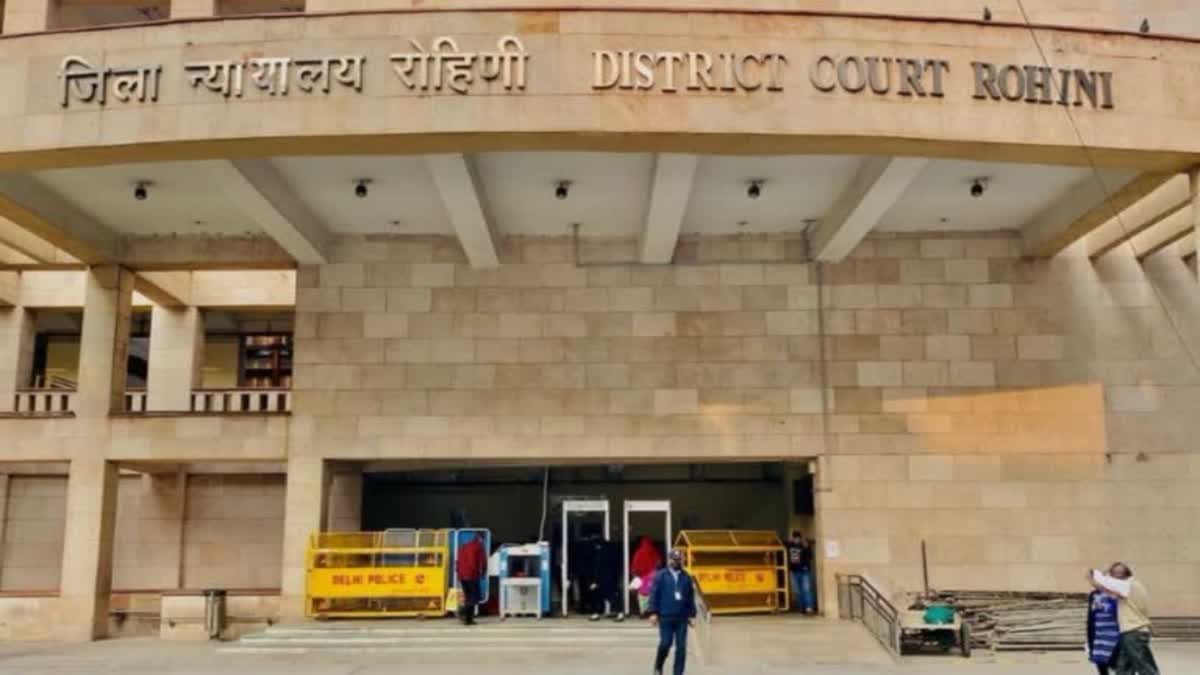
Delhi HC Transfers District Judge Over Objectionable Conduct
Lawyers’ strike prompts swift judicial action
Court underscores accountability and disciplinary oversight
By Legal Reporter
New Delhi: May 18, 2026:
The Delhi High Court has transferred Rohini District Judge Rakesh Kumar V following allegations of “objectionable conduct” towards an advocate, who is also the president of the Rohini Court Bar Association. The move came after strong protests from lawyers’ associations, highlighting the judiciary’s accountability mechanisms under constitutional and statutory frameworks.
Readers examining inheritance disputes, testamentary succession, and family property litigation should carefully review the Supreme Court judgment in Lilian Coelho & Ors Vs Myra Philomena Coalho. The ruling discusses important legal principles concerning succession rights, interpretation of family claims, and evidentiary standards in civil disputes. This judgment is highly relevant for advocates, beneficiaries, executors, and legal researchers studying inheritance law, probate matters, and property disputes under Indian civil jurisprudence.
Background
On May 16, 2026, a dispute between District Judge Rakesh Kumar V and advocate Rajiv Tehlan, president of the Rohini Court Bar Association, escalated during court proceedings. The alleged “unbecoming conduct” triggered widespread resentment among lawyers, leading to a strike call across Delhi’s district courts. Responding swiftly, the Delhi High Court transferred the judge to the Delhi Judicial Academy, replacing him with Judicial Officer Dhiraj Mittal.
Legal and Administrative Framework
- Article 235 of the Constitution of India
- Vests control over subordinate judiciary in the High Court.
- Includes powers of transfer, posting, and disciplinary proceedings.
- The High Court acted under this constitutional mandate to ensure judicial discipline.
- High Court’s Administrative Powers
- The Registrar General issued the transfer order, but only under the authority of the Chief Justice and collegium.
- Transfers are a recognized administrative measure to maintain decorum and public confidence.
- Judicial Conduct Standards
- Judges are bound by the Restatement of Values of Judicial Life (1997) adopted by the Supreme Court.
- Any conduct undermining dignity or impartiality can invite disciplinary action.
- Bar Associations’ Role
- The All-Delhi District Bar Associations’ coordination committee passed a resolution demanding immediate transfer.
- Collective lawyer protests underscore the importance of judicial accountability to the legal community.
Court’s Observations and Action
- The High Court did not adjudicate on the merits of the allegations but acted to preserve judicial decorum.
- Transfer was accompanied by withdrawal of judicial work from the officer pending inquiry.
- The move reflects a balance between due process and public confidence in the judiciary.
Implications
- For Judiciary: Reinforces that judges are accountable not only through disciplinary proceedings but also administrative measures like transfer.
- For Lawyers: Demonstrates the influence of collective action in safeguarding professional dignity.
- For Public Confidence: Ensures that allegations of misconduct are addressed promptly to maintain trust in judicial institutions.
Comparative Note
Similar actions have been taken in other High Courts where judges faced allegations of misconduct. Transfers are often used as interim measures pending inquiry, ensuring impartiality and preventing further controversy.
FAQ: Key Legal Points
Q1. Under which law can a judge be transferred?
Transfers are governed by Article 235 of the Constitution, which gives High Courts control over subordinate judiciary.
Q2. Who issues transfer orders?
The Registrar General, acting under the authority of the Chief Justice and collegium, issues such orders.
Q3. What triggered this transfer?
Alleged objectionable conduct by Judge Rakesh Kumar V towards an advocate during proceedings.
Q4. What role did lawyers play?
Bar associations passed resolutions and called for a strike, prompting swift High Court action.
Q5. Does transfer mean guilt is proven?
No. Transfer is an administrative measure to preserve decorum; a formal inquiry will determine culpability.
Q6. What standards govern judicial conduct?
The Restatement of Values of Judicial Life (1997) and constitutional principles of impartiality and dignity.
Q7. Can judicial work be withdrawn?
Yes. Pending inquiry, judicial work can be withdrawn to prevent further controversy.
Q8. Why is this significant?
It highlights the judiciary’s commitment to accountability, transparency, and maintaining public trust.
In conclusion, the Delhi High Court’s transfer of a district judge over alleged objectionable conduct underscores the judiciary’s constitutional responsibility under Article 235. By acting swiftly in response to lawyers’ protests, the Court reinforced the principle that judicial accountability is essential to maintaining public confidence in the justice system.