
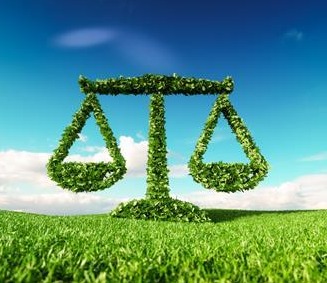
Climate Change Litigation: Expanding Environmental Rights in India
From Pollution Control to Climate Justice
Courts as Guardians of Future Generations
By Vishwas Kumar
New Delhi: June 03, 2026:
India’s judiciary has long played a pivotal role in shaping environmental law. From the early days of public interest litigation in the 1980s to recent rulings on air pollution, deforestation, and river conservation, the courts have consistently expanded the scope of Article 21 of the Constitution—the right to life—to include environmental rights. In 2026, this trajectory reached a new milestone as the Supreme Court recognized climate change litigation as integral to the enforcement of fundamental rights, affirming that the State has a constitutional duty to mitigate climate risks and protect citizens from environmental harm.
Legal questions concerning industrial estate administration, water distribution policies, tariff structures, recovery of dues, and regulatory compliance frequently require reference to the Gujarat Industrial Development Corporation Supply of Water to the Industrial Estates Regulations , which provide the statutory framework governing water supply services in GIDC industrial estates.
Historical Evolution of Environmental Rights
The journey began with cases like:
- M.C. Mehta v. Union of India (1986 onwards): A series of landmark rulings on pollution control, industrial safety, and environmental protection.
- Subhash Kumar v. State of Bihar (1991): Recognized the right to clean environment as part of Article 21.
- Vellore Citizens Welfare Forum v. Union of India (1996): Introduced the “precautionary principle” and “polluter pays” doctrine.
- Indian Council for Enviro-Legal Action v. Union of India (1996): Reinforced liability for environmental damage.
These cases established that environmental protection is not a luxury but a constitutional necessity.
Climate Change as a Constitutional Issue
By the 2020s, climate change emerged as the defining environmental challenge. Rising temperatures, erratic monsoons, and extreme weather events threatened livelihoods and public health. Petitioners began approaching courts not just for pollution control but for climate justice—arguing that failure to act on climate change violates fundamental rights.
In 2026, the Supreme Court ruled that:
- Right to Life (Article 21): Includes protection from climate risks.
- Right to Equality (Article 14): Climate impacts disproportionately affect vulnerable communities, raising equality concerns.
- Directive Principles (Articles 48A & 51A(g)): Mandate the State and citizens to protect the environment.
This ruling elevated climate change from a policy issue to a constitutional obligation.
Key Directions Issued by the Court
- National Climate Action Plan: Must be updated regularly and aligned with constitutional rights.
- State Accountability: Governments must report progress on emission reduction and adaptation measures.
- Corporate Responsibility: Companies must disclose climate risks and mitigation strategies.
- Public Participation: Citizens have a right to be consulted in climate-related decisions.
Judicial Creativity in Climate Litigation
Indian courts have often used public interest litigation (PIL) to expand rights. Climate litigation follows this tradition, allowing citizens, NGOs, and activists to hold the State accountable. The judiciary has invoked doctrines like:
- Precautionary Principle: Prevent harm even in the absence of full scientific certainty.
- Polluter Pays Principle: Those causing environmental damage must bear the cost.
- Intergenerational Equity: Protecting the rights of future generations.
These doctrines now apply to climate change, reinforcing the judiciary’s role as guardian of environmental justice.
Comparative Global Perspectives
- Netherlands (Urgenda case, 2019): Courts ordered the government to reduce emissions, citing human rights obligations.
- Germany (Climate Case, 2021): Constitutional Court held that inadequate climate action violates rights of future generations.
- Pakistan (Leghari case, 2015): Lahore High Court directed government to implement climate policy, citing fundamental rights.
India’s 2026 ruling aligns with this global trend of courts stepping in to enforce climate obligations.
Why This Matters
Climate change is not just an environmental issue—it is a human rights issue. By recognizing climate litigation as part of constitutional enforcement, the Supreme Court has ensured that citizens can demand accountability from the State and corporations. This ruling strengthens India’s climate governance, empowers civil society, and sets a precedent for future environmental rights cases.
This introduction sets the stage for deeper analysis of:
- The evolution of environmental rights under Article 21.
- The rise of climate change litigation in India.
- The Supreme Court’s 2026 ruling and its implications.
- Doctrines like precautionary principle and intergenerational equity.
- Comparative perspectives from global climate cases.
- Policy recommendations for integrating constitutional rights into climate governance.
Legal Framework of Climate Change Litigation in India
1. Constitutional Foundation
- Article 21 (Right to Life): The Supreme Court has consistently interpreted Article 21 to include the right to a clean and healthy environment. In Subhash Kumar v. State of Bihar (1991), the Court held that the right to life includes the right to enjoyment of pollution-free water and air.
- Article 14 (Equality Before Law): Climate change disproportionately affects vulnerable communities—farmers, coastal populations, and the urban poor. Failure to address these impacts can amount to violation of equality.
- Directive Principles of State Policy:
- Article 48A: Directs the State to protect and improve the environment.
- Article 51A(g): Imposes a fundamental duty on citizens to protect the environment.
- Together, these provisions create a constitutional framework for climate litigation, linking environmental protection to fundamental rights and duties.
2. Judicial Evolution of Environmental Rights
- M.C. Mehta v. Union of India (1986 onwards): A series of PILs expanded environmental jurisprudence, covering pollution control, industrial safety, and conservation.
- Vellore Citizens Welfare Forum v. Union of India (1996): Introduced the “precautionary principle” and “polluter pays” doctrine into Indian law.
- Indian Council for Enviro-Legal Action v. Union of India (1996): Reinforced liability for environmental damage.
- T.N. Godavarman Thirumulpad v. Union of India (1997 onwards): Expanded Forest conservation jurisprudence.
These cases established that environmental protection is integral to Article 21 and laid the groundwork for climate change litigation.
3. Climate Change as a Constitutional Issue
By the 2020s, climate change became the defining environmental challenge. Petitioners argued that inadequate climate action violates fundamental rights. In 2026, the Supreme Court ruled that:
- Right to Life (Article 21): Includes protection from climate risks such as extreme weather and rising sea levels.
- Right to Equality (Article 14): Climate impacts disproportionately harm marginalized groups, raising equality concerns.
- Directive Principles (Articles 48A & 51A(g)): Mandate proactive climate action by both State and citizens.
This ruling elevated climate change from a policy issue to a constitutional obligation.
4. Doctrines Applied in Climate Litigation
- Precautionary Principle: Prevent harm even in the absence of full scientific certainty. Applied to climate risks where uncertainty cannot justify inaction.
- Polluter Pays Principle: Those responsible for emissions must bear the cost of mitigation and adaptation.
- Intergenerational Equity: Protecting the rights of future generations from climate harm. Recognized in State of Himachal Pradesh v. Ganesh Wood Products (1995) and now applied to climate change.
These doctrines provide the normative foundation for climate litigation in India.
5. Statutory Context
- Environment Protection Act, 1986: Provides broad powers to regulate environmental issues, now interpreted to include climate action.
- Air Act, 1981 & Water Act, 1974: Regulate pollution, relevant for emission control.
- National Green Tribunal Act, 2010: Establishes the NGT, which has adjudicated several climate-related cases.
- Energy Conservation Act, 2001: Promotes efficiency, indirectly addressing climate change.
While these statutes provide tools, the Supreme Court’s ruling constitutionalizes climate obligations, making them enforceable as fundamental rights.
6. Role of the National Green Tribunal (NGT)
The NGT has played a crucial role in environmental litigation, often addressing climate-related issues:
- Ordered stricter emission controls in Delhi to combat air pollution.
- Directed states to implement waste management and renewable energy policies.
The Supreme Court’s 2026 ruling strengthens the NGT’s authority by linking climate action to constitutional rights.
7. Comparative Global Perspectives
- Netherlands (Urgenda case, 2019): Courts ordered the government to reduce emissions, citing human rights obligations.
- Germany (Climate Case, 2021): Constitutional Court held that inadequate climate action violates rights of future generations.
- Pakistan (Leghari case, 2015): Lahore High Court directed government to implement climate policy, citing fundamental rights.
India’s 2026 ruling aligns with this global trend of courts stepping in to enforce climate obligations.
8. Corporate Responsibility
The Court directed companies to disclose climate risks and mitigation strategies. This aligns with global trends in ESG (Environmental, Social, Governance) reporting. Corporate accountability ensures that private actors contribute to climate solutions.
9. Public Participation
The ruling emphasized that citizens have a right to be consulted in climate-related decisions. This reflects principles of environmental democracy and participatory governance.
10. Challenges in Implementation
- Policy Gaps: Aligning national climate plans with constitutional obligations.
- Resource Constraints: Funding adaptation and mitigation measures.
- Enforcement: Ensuring compliance by states and corporations.
- Public Awareness: Educating citizens about climate rights and duties.
11. Policy Recommendations
- Integrate constitutional rights into national climate policy.
- Strengthen NGT and regulatory institutions.
- Mandate corporate climate disclosures.
- Promote renewable energy and sustainable practices.
- Foster international cooperation on climate governance.
12. Broader Implications
- Citizens: Gain enforceable rights to climate protection.
- Government: Must prioritize climate action as a constitutional duty.
- Corporations: Face accountability for emissions and climate risks.
- Global Positioning: India emerges as a leader in climate justice jurisprudence.
Expanded FAQs (40 Questions)
Q1. What is climate change litigation?
It refers to legal actions filed to hold governments or corporations accountable for inadequate climate action or environmental harm.
Q2. Why is climate change a constitutional issue in India?
Because failure to act on climate risks violates fundamental rights under Articles 21 and 14.
Q3. How does Article 21 relate to climate change?
It guarantees the right to life, which includes protection from environmental and climate risks.
Q4. How does Article 14 relate to climate change?
Climate impacts disproportionately harm vulnerable communities, raising equality concerns.
Q5. What does Article 48A say?
It directs the State to protect and improve the environment.
Q6. What does Article 51A(g) say?
It imposes a duty on citizens to protect the environment.
Q7. What did Subhash Kumar v. State of Bihar (1991) decide?
That the right to life includes the right to pollution-free water and air.
Q8. What did M.C. Mehta v. Union of India achieve?
It expanded environmental jurisprudence through multiple PILs on pollution and conservation.
Q9. What did Vellore Citizens Welfare Forum v. Union of India (1996) introduce?
The precautionary principle and polluter pays doctrine.
Q10. What did Indian Council for Enviro-Legal Action v. Union of India (1996) reinforce?
Liability for environmental damage caused by industries.
Q11. What is the precautionary principle?
Prevent harm even without full scientific certainty, applied to climate risks.
Q12. What is the polluter pays principle?
Those causing environmental damage must bear the cost of mitigation.
Q13. What is intergenerational equity?
The principle that future generations have a right to a healthy environment.
Q14. What did the Supreme Court rule in 2026?
That climate change litigation is integral to enforcing fundamental rights.
Q15. What directions did the Court issue in 2026?
Updating climate action plans, state accountability, corporate disclosures, and public participation.
Q16. What is the Environment Protection Act, 1986?
A law providing broad powers to regulate environmental issues, now applied to climate action.
Q17. What is the Air Act, 1981?
It regulates air pollution, relevant for emission control.
Q18. What is the Water Act, 1974?
It regulates water pollution, relevant for climate-related impacts.
Q19. What is the National Green Tribunal Act, 2010?
It established the NGT to adjudicate environmental cases, including climate issues.
Q20. What role does the NGT play in climate litigation?
It enforces emission controls, waste management, and renewable energy policies.
Q21. What is the Energy Conservation Act, 2001?
It promotes efficiency, indirectly addressing climate change.
Q22. What is the Urgenda case (Netherlands, 2019)?
Dutch courts ordered the government to reduce emissions, citing human rights.
Q23. What is the German Climate Case (2021)?
Germany’s Constitutional Court held inadequate climate action violates rights of future generations.
Q24. What is the Leghari case (Pakistan, 2015)?
The Lahore High Court directed government to implement climate policy, citing fundamental rights.
Q25. How does climate litigation empower citizens?
It allows citizens to hold governments and corporations accountable for climate inaction.
Q26. How does climate litigation affect corporations?
Companies must disclose climate risks and mitigation strategies.
Q27. How does climate litigation affect governments?
Governments must align climate policies with constitutional obligations.
Q28. How does climate litigation affect vulnerable communities?
It provides legal tools to demand protection from disproportionate climate impacts.
Q29. How does climate litigation affect future generations?
It enforces intergenerational equity, protecting rights of unborn citizens.
Q30. How does climate litigation affect public participation?
Citizens gain a right to be consulted in climate-related decisions.
Q31. How does climate litigation affect policy gaps?
It forces governments to update and implement climate action plans.
Q32. How does climate litigation affect resource allocation?
States must allocate funds for adaptation and mitigation measures.
Q33. How does climate litigation affect enforcement?
It strengthens enforcement by linking climate obligations to constitutional rights.
Q34. How does climate litigation affect awareness?
It raises public awareness about climate rights and duties.
Q35. How does climate litigation affect renewable energy?
It encourages adoption of sustainable practices and clean energy.
Q36. How does climate litigation affect ESG reporting?
It mandates corporate climate disclosures, aligning with global ESG standards.
Q37. How does climate litigation affect India’s global position?
It positions India as a leader in climate justice jurisprudence.
Q38. How does climate litigation affect environmental democracy?
It reinforces participatory governance in climate decisions.
Q39. How does climate litigation affect constitutional interpretation?
It reflects living constitutionalism, expanding Article 21 to climate protection.
Q40. Why is climate litigation a landmark issue?
Because it transforms climate action into a constitutional duty, protecting rights and future generations.