
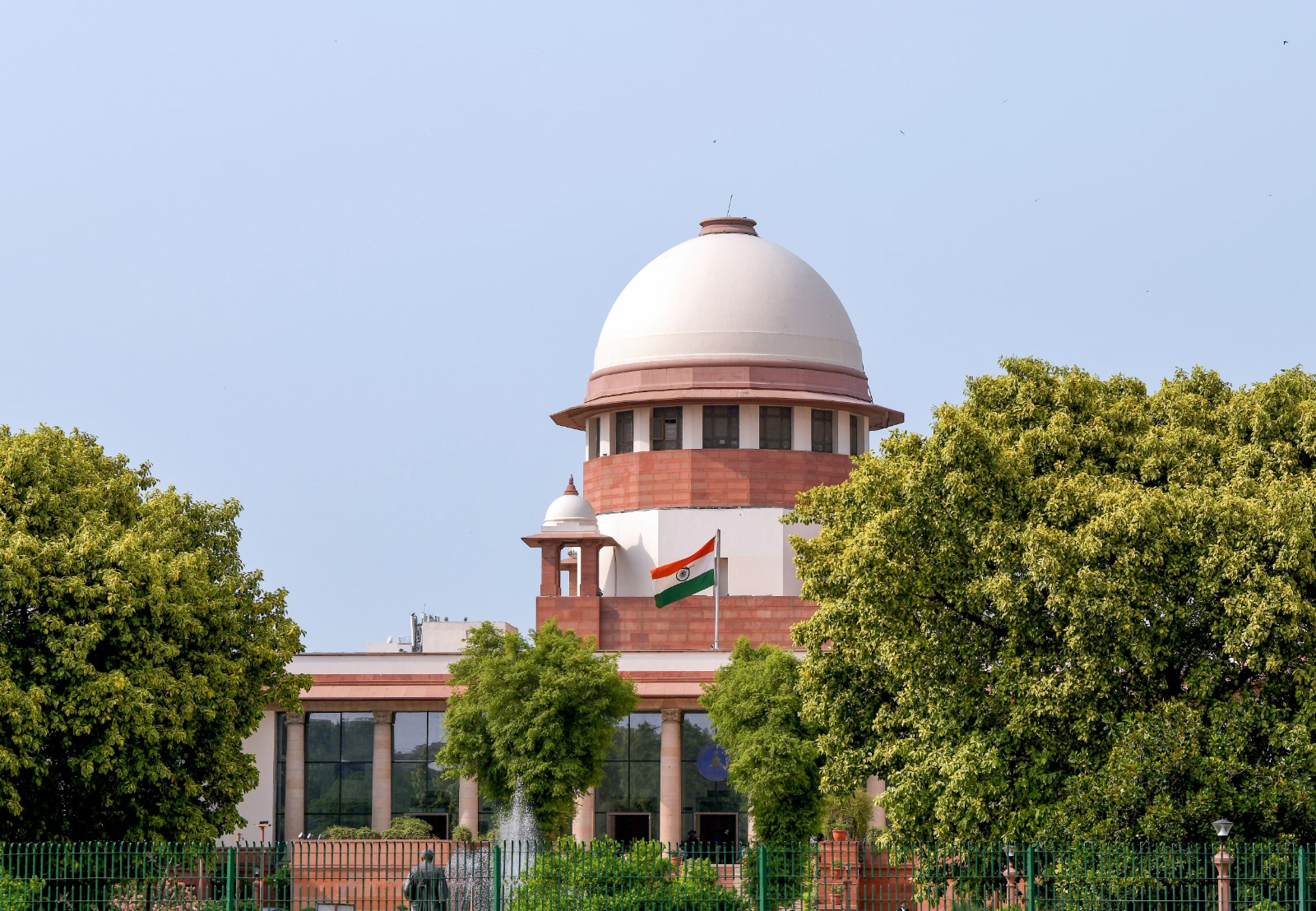
Supreme Court: Banks Liable for Cheque Delays
Consumer Protection Act Applies to Banking Services
Deficiency in Service Attracts Penalty
By Legal Reporter
New Delhi: April 16, 2026:
The Supreme Court has ruled that banks are liable under the Consumer Protection Act for delays in presenting cheques, affirming that such lapses amount to deficiency in service. The judgment reinforces consumer rights in financial transactions and sets a precedent for accountability in banking operations.
In matters involving wills, succession, and inheritance disputes, courts have consistently emphasized strict compliance with legal requirements, including proper execution and attestation of testamentary documents. A key ruling in this context is Adivekka and Others vs. Hanamavva Kom Venkatesh (D) by LRs , where the Supreme Court examined crucial aspects of proof of will and succession rights. This judgment is highly relevant for understanding how courts determine the validity and genuineness of wills under Indian law.
The Supreme Court’s decision in Punjab National Bank vs. Consumer (2026) underscores the judiciary’s commitment to protecting consumers in financial services. The case revolved around a bank’s delay in presenting a cheque, which resulted in financial loss to the customer.
The Court upheld penalties imposed under the Consumer Protection Act, 1986 (now 2019), ruling that banks cannot escape liability by citing internal procedures or technicalities.
Key Legal Provisions Discussed
- Consumer Protection Act, 1986 / 2019
- Defines “deficiency in service” as any fault, imperfection, or inadequacy in performance.
- Banking services fall within the ambit of “service” under the Act.
- Consumers can seek redressal before District, State, or National Consumer Commissions.
- Negotiable Instruments Act, 1881
- Governs cheques, promissory notes, and bills of exchange.
- Requires timely presentation of cheques for payment.
- Delay in presentation can lead to dishonour or financial loss.
- Banking Regulation Act, 1949
- Establishes regulatory framework for banks.
- Mandates adherence to fair practices and customer service standards.
Court’s Observations
- Delay in presenting a cheque constitutes deficiency in service.
- Banks cannot rely on internal rules to justify lapses.
- Consumer forums are empowered to award compensation for financial loss and mental agony.
- The ruling strengthens accountability in the banking sector, ensuring consumer trust.
Case Context
- The complainant deposited a cheque which was not presented promptly.
- Due to the delay, the cheque was dishonoured, causing financial harm.
- The District Consumer Forum imposed penalty on the bank.
- The bank challenged the order, but the Supreme Court upheld the penalty, affirming consumer rights.
[RESEARCH RESOURCES]
BUY & READ BOOK, WILL WRITING SIMPLIFIED, By Dr Ravinder Kumar Anand. [📘 Buy Will Writing Simplified online: Amazon | Flipkart ]
FAQ: Quick Legal Understanding
Q1. What is “deficiency in service” under the Consumer Protection Act?
It refers to any shortcoming or inadequacy in the quality, nature, or manner of service provided, including banking services.
Q2. Are banks covered under the Consumer Protection Act?
Yes. Banking services are explicitly recognized as “service” under the Act.
Q3. Why is timely presentation of cheques important?
Because delay can result in dishonour, expiry of validity, or financial loss to the customer.
Q4. What remedies are available to consumers?
Consumers can approach District, State, or National Consumer Commissions for compensation and penalty against banks.
Q5. Can banks escape liability by citing internal rules?
No. The Supreme Court clarified that consumer rights override internal procedures.
Q6. How does the Negotiable Instruments Act relate here?
It mandates timely presentation of cheques. Failure to comply can lead to liability under both the NI Act and Consumer Protection Act.
Q7. What precedent does this ruling set?
It establishes that banks are directly accountable for lapses in cheque handling and cannot avoid liability through technical defences.
Key Takeaways
- Consumer rights strengthened: Banking services are firmly under the Consumer Protection Act’s ambit.
- Judicial clarity: Delay in cheque presentation is deficiency in service.
- Accountability enforced: Banks must ensure prompt and efficient handling of cheques.
- Consumer empowerment: Victims of banking lapses can seek compensation through consumer forums.
This ruling is a landmark in consumer jurisprudence, ensuring that banks remain accountable for service lapses and that customers are protected against negligence in financial transactions. It reinforces the principle that consumer interest is paramount in India’s banking system.