
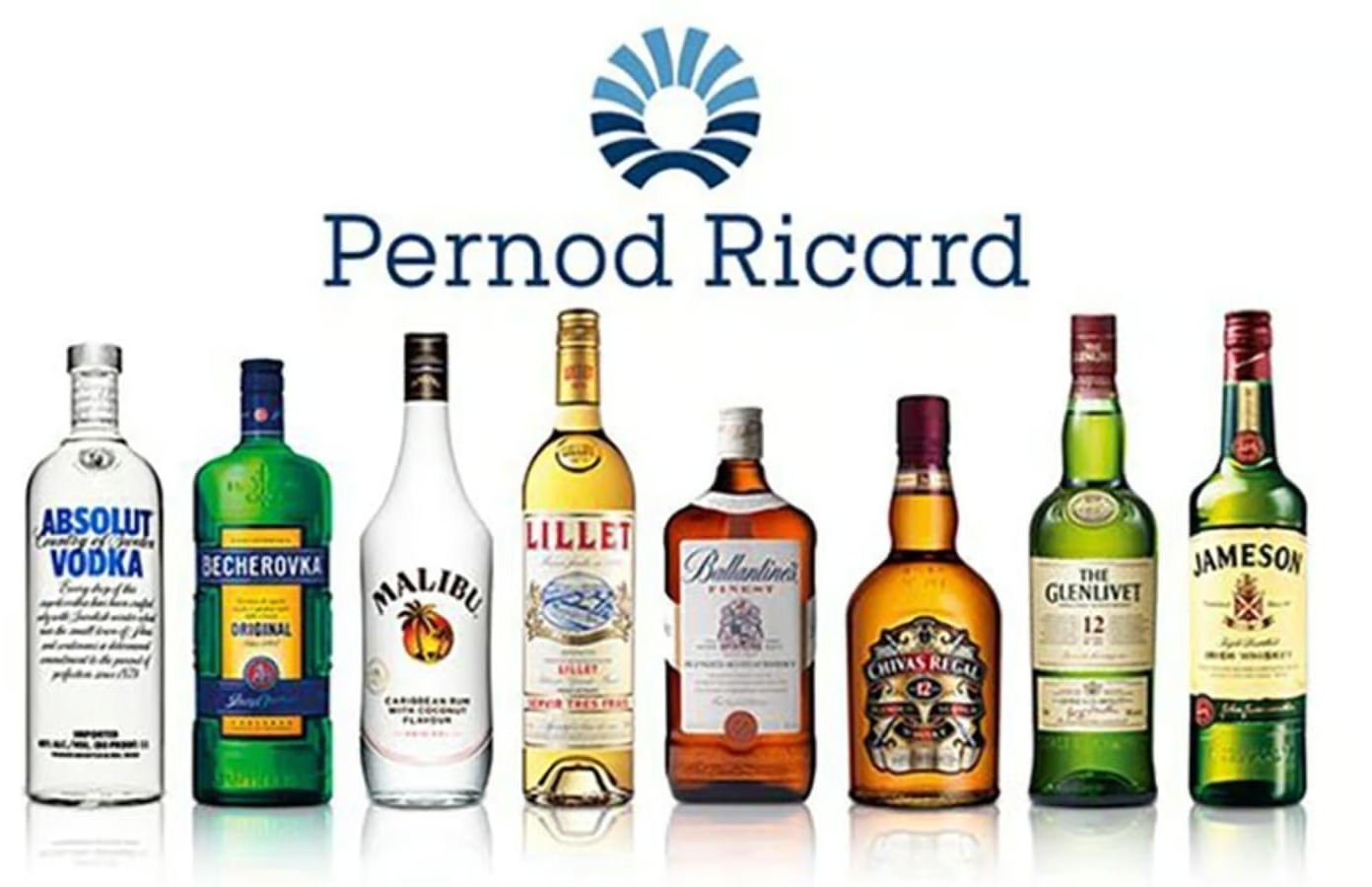
Antitrust Spotlight on Pernod Ricard’s Retail Practices in India
Competition Act Provisions on Abuse of Dominance Invoked
Exclusive Supply Agreements Under Regulatory Scrutiny
By Legal Reporter
New Delhi: May 09, 2026:
India’s antitrust regulator, the Competition Commission of India (CCI), has ordered a probe into liquor giant Pernod Ricard’s dealings with retailers, focusing on alleged restrictive trade practices and abuse of dominance. The investigation will examine whether Pernod’s agreements with distributors and retailers violate the Competition Act, 2002, particularly provisions on exclusive supply obligations and unfair pricing.
Readers studying inheritance disputes, interpretation of wills, and succession rights under the Hindu Succession Act should refer to the Supreme Court judgment in Rur Singh vs Bachan Kaur. The Court discussed important principles relating to devolution of property, rights of legal heirs, and the evidentiary value of testamentary documents in family property and succession litigation.
Key Legal Principles and Rules
1. Competition Act, 2002 – Section 3 (Anti‑Competitive Agreements)
- Prohibits agreements that cause or are likely to cause an appreciable adverse effect on competition (AAEC).
- Includes exclusive supply agreements, resale price maintenance, and refusal to deal.
- CCI will examine whether Pernod’s contracts with retailers restrict their ability to stock rival brands.
2. Section 4 – Abuse of Dominant Position
- Prevents enterprises from imposing unfair or discriminatory conditions in purchase/sale of goods.
- Allegations suggest Pernod may have leveraged its market position to dictate terms to retailers.
3. CCI’s Investigative Powers
- CCI can direct the Director General (DG) to conduct a detailed investigation.
- DG has powers of search, seizure, and examination of records.
- Findings are submitted to CCI for final adjudication.
4. Liquor Industry Regulation
- Liquor distribution in India is heavily regulated at the state level.
- Companies must comply with excise laws, licensing, and pricing controls.
- Antitrust scrutiny adds another layer of compliance for global players like Pernod.
Case Context
- Trigger: Complaints from rival liquor companies and retailers alleging Pernod’s restrictive practices.
- Focus: Whether Pernod’s agreements force retailers into stocking only its brands or impose unfair pricing.
- Impact: Could reshape liquor distribution practices in India, especially for multinational players.
Detailed FAQ for Easy Understanding
Q1. Why is Pernod Ricard under investigation?
Because of allegations that its agreements with retailers restrict competition and amount to abuse of dominance.
Q2. What laws apply here?
The Competition Act, 2002—specifically Sections 3 (anti‑competitive agreements) and 4 (abuse of dominance).
Q3. What is an exclusive supply agreement?
A contract where a retailer is obliged to buy only from one supplier, potentially restricting competition.
Q4. Can CCI penalize Pernod if violations are found?
Yes. CCI can impose fines up to 10% of average turnover for the last three years and order modification of agreements.
Q5. Does liquor regulation differ from other industries?
Yes. Liquor is subject to state excise laws, but competition law applies uniformly across sectors.
Q6. What happens if Pernod is found guilty?
It may face penalties, be required to amend contracts, and could lose market share if restrictions are lifted.
Q7. How does this affect consumers?
If restrictive practices are curbed, consumers may see greater choice and competitive pricing in liquor markets.
Risks and Takeaways
- For Pernod Ricard: Potential fines, reputational damage, and need to restructure distribution agreements.
- For retailers: Greater freedom to stock multiple brands if exclusivity is struck down.
- For competitors: Opportunity to expand market presence if barriers are removed.
- For consumers: Likely benefit from increased competition and pricing transparency.
Bottom Line: The CCI’s probe into Pernod Ricard underscores India’s commitment to enforcing competition law across sectors, including the tightly regulated liquor industry. The outcome could reshape retail practices, ensuring fair competition and consumer choice in a market long dominated by restrictive agreements.